The most common causes, in rough order of frequency
Vascular. Endothelial dysfunction from hypertension, dyslipidaemia, smoking or insulin resistance. This is the single largest category in men over 40 and the one with genuine cardiovascular significance.
Psychogenic. Performance anxiety, relationship stress, depression, and — increasingly documented — desensitisation associated with heavy pornography use. Typically preserves nocturnal and morning erections while impairing partnered function, which is a useful diagnostic clue.
Pharmacological. SSRIs, beta blockers, thiazide diuretics, finasteride and antipsychotics all have well-documented sexual side effects. This is worth reviewing with a prescriber before assuming an age-related cause.
Hormonal. Genuinely low free testosterone, hyperprolactinaemia, or thyroid dysfunction. Less common than commonly assumed, but readily testable.
What the supplement evidence supports
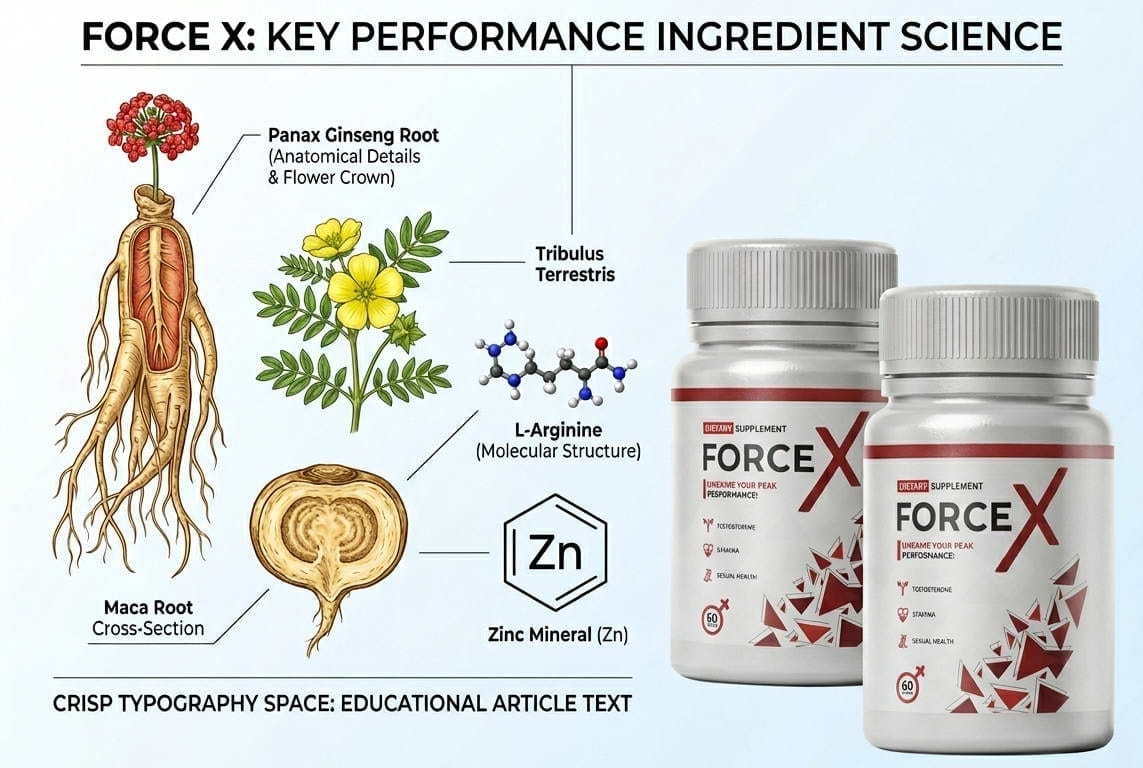
The strongest signal in this category is for L-citrulline and, less consistently, L-arginine — both NO precursors, with citrulline having markedly better oral bioavailability because it escapes first-pass metabolism in the gut and liver. Effects are modest compared with prescription PDE-5 inhibitors and are best characterised as supportive of normal circulation.
Panax ginseng has the most consistent botanical evidence: several randomised trials and a Cochrane-style review have reported improvement in erectile function scores versus placebo, with the plausible mechanism being ginsenoside-mediated NO release.
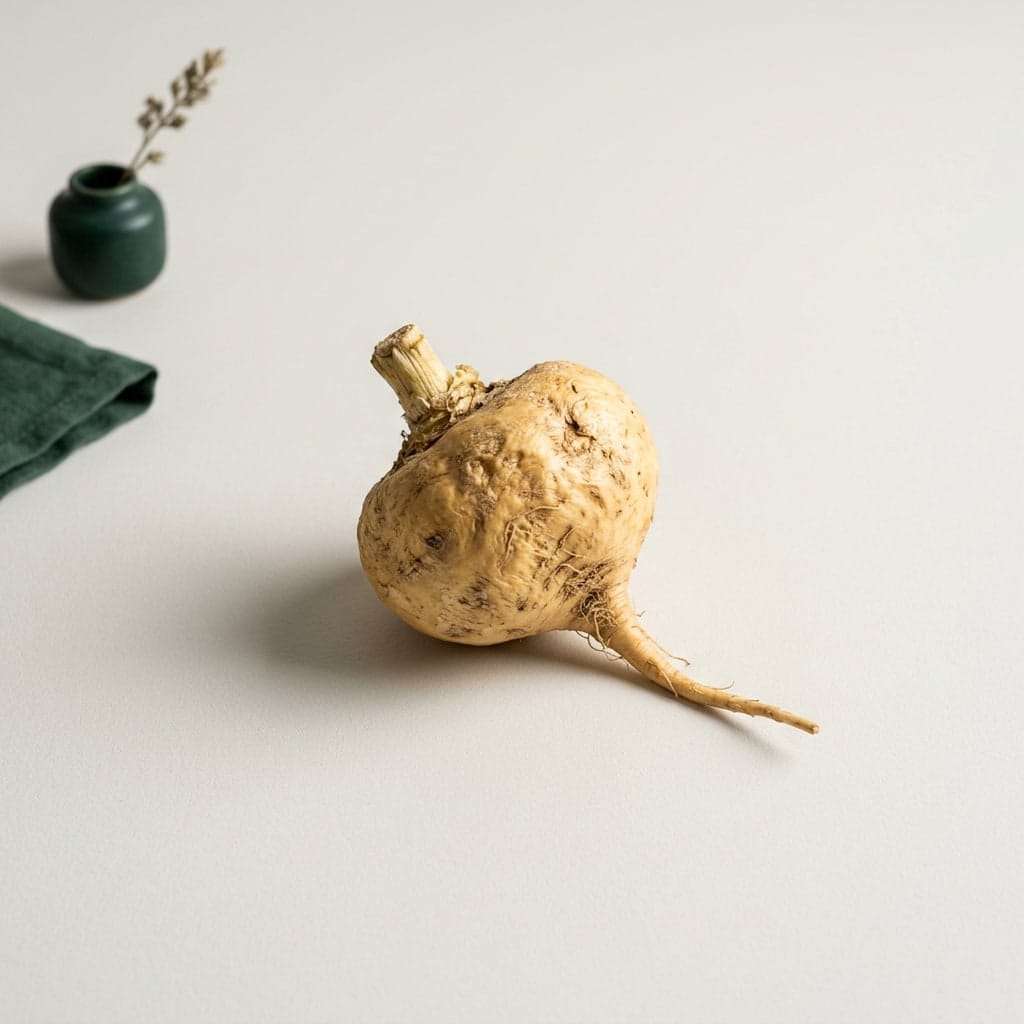
Maca shows a reproducible effect on self-reported sexual desire without measurable changes in serum hormones — an endocrine-independent, likely central mechanism.
Evidence for tribulus in men with normal testosterone is weak; trials consistently fail to show hormonal change, though some report subjective libido improvement in specific populations.
The cardiovascular warning that matters most
Erectile dysfunction precedes a cardiovascular event by an average of three to five years in men who go on to have one. The penile arteries are roughly 1–2 mm in diameter versus 3–4 mm for the coronary arteries, so the same degree of endothelial plaque impairs them first. New-onset ED without an obvious psychological trigger is a legitimate reason to get blood pressure, lipids and HbA1c checked — not a cosmetic complaint.