Sexual Health
Offer closed
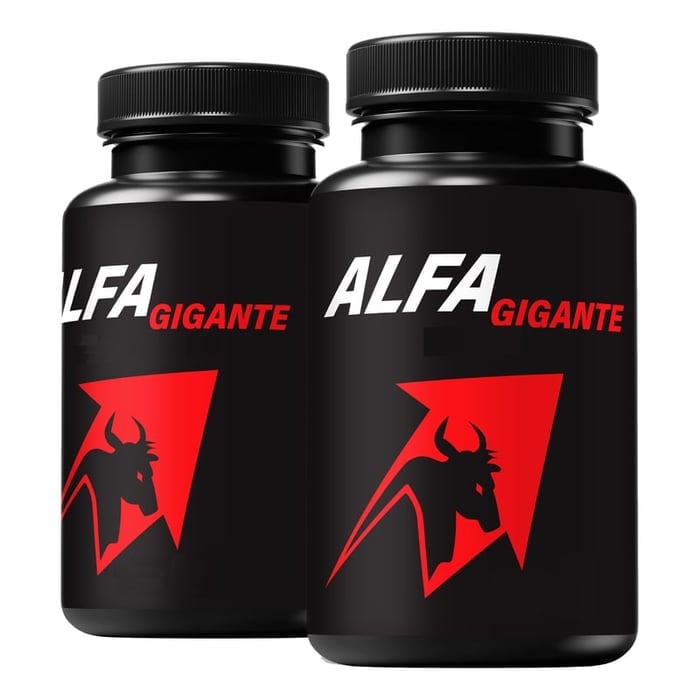
Alpha Gigante
Arginine with zinc and selenium, sold in Poland.
Read the review & alternatives →Essential trace mineral
Strong evidence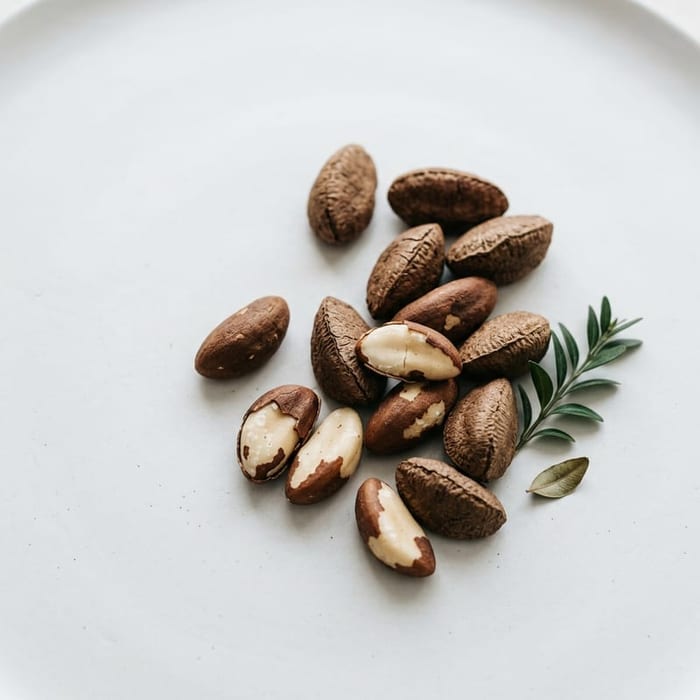
An essential trace mineral with a genuine authorised claim for spermatogenesis and the narrowest margin between adequate intake and toxicity of anything in this library.
Relevant to: Testosterone · Men's Health
Selenium is incorporated into around 25 selenoproteins, several of which matter directly here. Glutathione peroxidase protects cells — including sperm — from oxidative damage. Phospholipid hydroperoxide glutathione peroxidase is a structural component of the sperm mitochondrial capsule, giving the flagellum its integrity. Thyroid deiodinases, which convert T4 to active T3, are selenoproteins too, so selenium status feeds into thyroid function and from there into energy and metabolism.
This is the mechanistic basis for the EU-authorised claim that selenium contributes to normal spermatogenesis — one of the few specific, legally usable male-health claims that exists.
Most nutrients have a wide margin between the amount you need and the amount that causes harm. Selenium does not. The reference intake is 55 µg per day; EFSA's tolerable upper limit is 300 µg. That is a factor of roughly five, against a factor of a hundred or more for many vitamins.
Chronic excess causes selenosis: hair and nail brittleness and loss, a characteristic garlic-like breath odour, gastrointestinal upset, fatigue and, in severe cases, neurological symptoms. There is also evidence linking high selenium status to increased type 2 diabetes risk.
Brazil nuts are the practical illustration. Two to three nuts typically supply the entire daily requirement, but selenium content varies enormously with the soil the tree grew in — a handful can deliver a multiple of the upper limit. This is not a food to eat absent-mindedly.
The SELECT trial tested selenium and vitamin E for prostate cancer prevention in more than 35,000 men. It found no preventive benefit; the vitamin E arm showed a statistically significant increase in prostate cancer incidence, and a later analysis found increased risk in men with already-high selenium status who took supplemental selenium.
The lesson generalises well beyond this one mineral: for nutrients, correcting a deficiency and exceeding an adequate level are entirely different interventions, and the second can be harmful.
Selenomethionine is the organic form found in food and the one that builds tissue stores most effectively. Selenium-enriched yeast delivers a mix of organic forms. Sodium selenite and selenate are inorganic, absorbed but less well retained.
Status depends heavily on geography, because soil selenium varies. Much of Europe — particularly parts of eastern Europe and the UK — has relatively low soil selenium, while parts of North America are high. Serum or plasma selenium testing is available where status is in question.
Presence on a label is not the same as presence at a researched dose — check the per-capsule amount.
Arginine with zinc and selenium, sold in Poland.
Read the review & alternatives →Actually built on the prostate ingredient set — including its negative trials.
Read the review →55 µg per day is the EU reference intake, with EFSA setting 300 µg as the tolerable upper limit. That is an unusually narrow window — roughly fivefold — compared with most nutrients.
The best food source, and the one most easily overdone. Two to three nuts typically cover the daily requirement, but selenium content varies enormously with soil, so a handful can exceed the upper limit.
It carries an authorised EU claim for contributing to normal spermatogenesis, grounded in its role in the selenoprotein that forms the sperm mitochondrial capsule. The claim concerns normal function, not enhancement above it.
Yes. Chronic excess causes selenosis — hair and nail loss, garlic-like breath odour, gastrointestinal upset — and the SELECT trial found increased prostate cancer risk in men who already had high selenium status and took more.