Guide
The Best Natural Ingredients for Men's Health, Ranked by Evidence
Not a top-ten list. A ranking by the quality of the evidence behind each ingredient — which means some of the best-selling actives finish near the bottom.
A practical, non-promotional guide to evaluating a supplement before you buy it: regulation, dosage, standardisation, bioavailability and the marketing tricks that hide a weak formula.
In the European Union, food supplements are governed by Directive 2002/46/EC and Regulation (EC) 1924/2006 on nutrition and health claims. They are regulated as food, not medicine. That means no pre-market efficacy approval is required, but it also means a manufacturer may not legally claim a product treats or prevents any disease — only approved health claims from the EU Register may be used.
The practical consequence for a buyer is that product quality varies far more than price does. The difference between a well-built formula and a placebo in a nice box is usually visible on the label, if you know what to look at.
1. Dose per serving, not per bottle. The front of the pack often quotes a total that only applies if you take the maximum daily serving. Read the "per capsule" column.
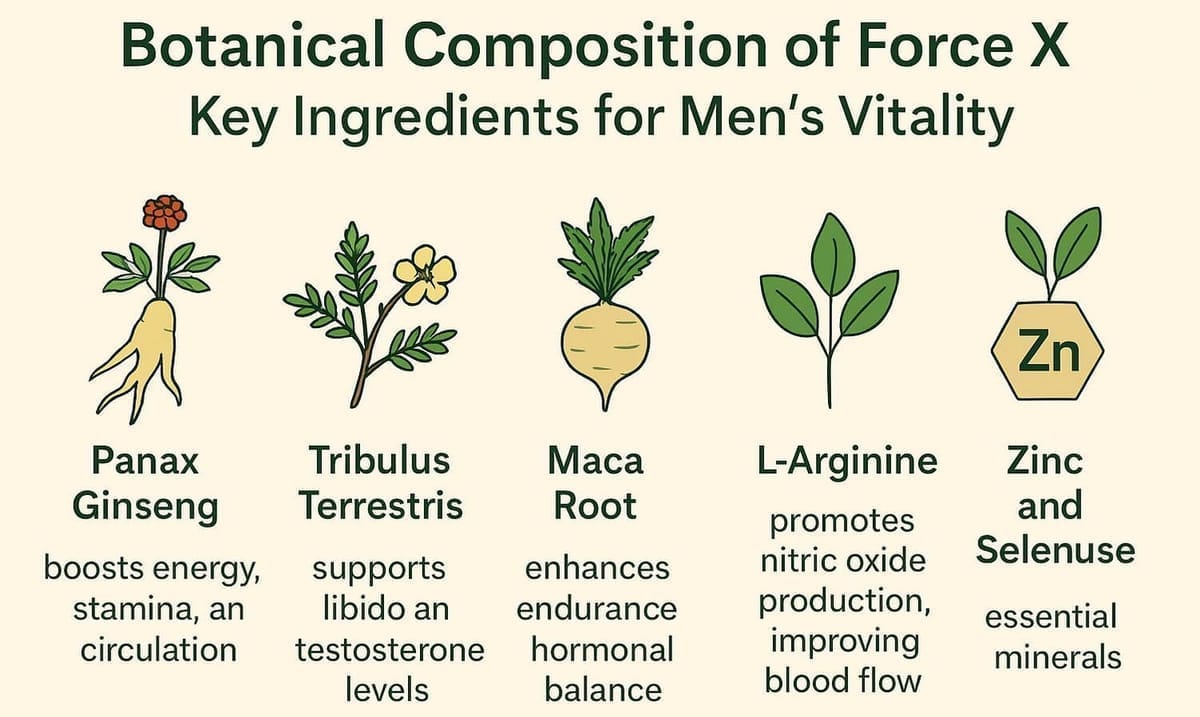
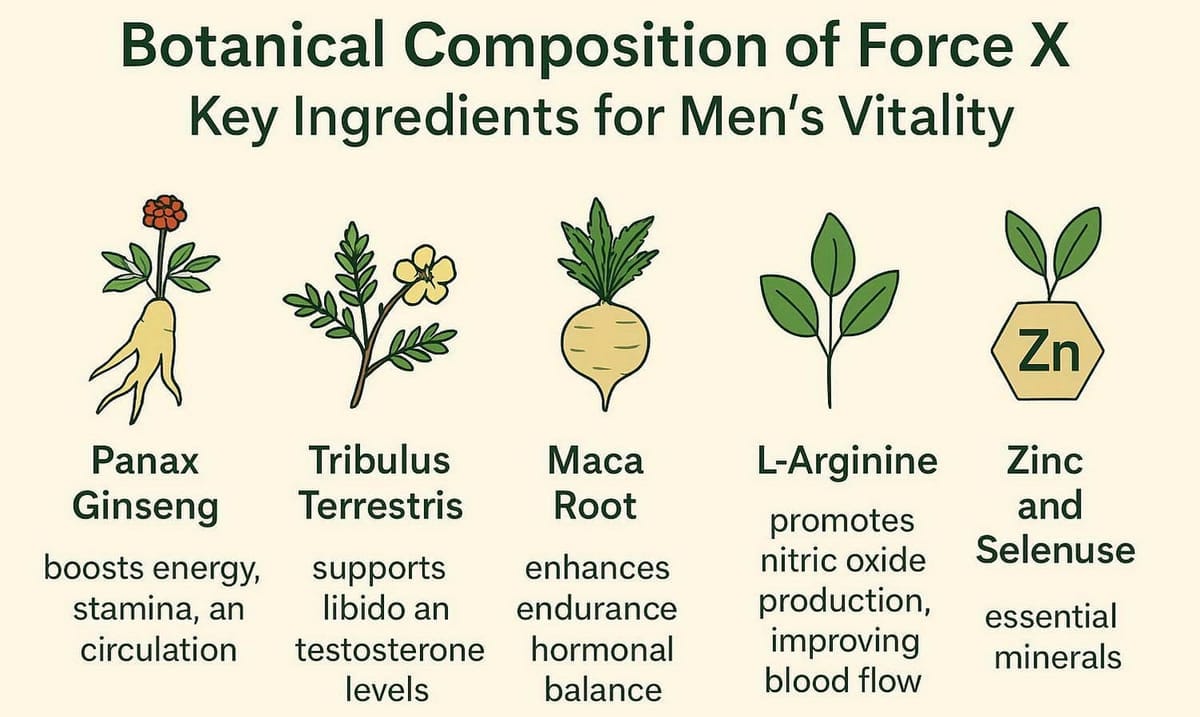
2. Standardisation. "Panax ginseng 200 mg" tells you nothing about potency. "Panax ginseng extract 200 mg, standardised to 5% ginsenosides" does. Unstandardised botanical powder can vary tenfold in active content between harvests.
3. Extract ratio. A 10:1 extract means 10 kg of raw plant produced 1 kg of extract. Without the ratio or a standardisation marker, the number on the label is not interpretable.
4. Proprietary blends. A blend listed as "Male Matrix 800 mg" with eight ingredients underneath hides the individual doses. This is almost always because most of the 800 mg is the cheapest ingredient and the marketable ones are present in trace amounts.
5. Form of the mineral. Zinc oxide is poorly absorbed compared with zinc bisglycinate or citrate; magnesium oxide likewise underperforms magnesium glycinate. The salt form is often the single biggest determinant of whether a mineral supplement does anything at all.
Micronutrient correction (zinc, magnesium, vitamin D) in a genuinely deficient person shows measurable blood changes in 4–12 weeks, with subjective changes trailing behind. Adaptogens such as ashwagandha and ginseng typically show effects on stress and fatigue measures in controlled trials at 4–8 weeks. Nitric oxide precursors act acutely — within 60–120 minutes — but the effect is transient and dose-dependent.
Any product promising results within days is describing either a stimulant effect, a placebo effect, or an undeclared pharmaceutical adulterant. The last category is a real and documented problem in the sexual-performance supplement market: national regulators periodically recall products found to contain unlabelled sildenafil or tadalafil analogues.
GMP-certified manufacturing, third-party batch testing for heavy metals and microbial contamination, a published certificate of analysis, a named manufacturing country, and a functioning returns policy. None of these guarantee efficacy, but their absence is a meaningful negative signal.
Not a top-ten list. A ranking by the quality of the evidence behind each ingredient — which means some of the best-selling actives finish near the bottom.
Most supplement failure is not ingredient failure. It is dose, timing, absorption competition, or judging a 12-week intervention after 10 days.
Not for efficacy. Food supplements do not require pre-market authorisation the way medicines do. Manufacturers are legally responsible for safety and for using only permitted claims, and national authorities police the market after products are on sale.
It is a group of ingredients listed with only a combined weight, so individual doses are hidden. It makes it impossible to know whether an ingredient is present at a researched dose or in a token amount, and it is the most common way an underdosed formula is made to look impressive.
Not reliably. Price tracks marketing spend at least as closely as it tracks formulation quality. Standardised extracts, well-absorbed mineral forms and third-party testing do cost more to produce — but a high price with a proprietary blend and no standardisation markers is a poor trade.