Sexual Health
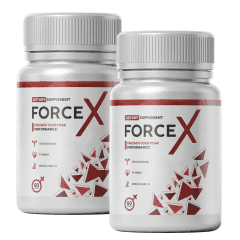
Force X
Six-botanical EU formula for male energy, libido and hormonal balance.
Read the review →Panax ginseng C.A. Meyer
Moderate evidence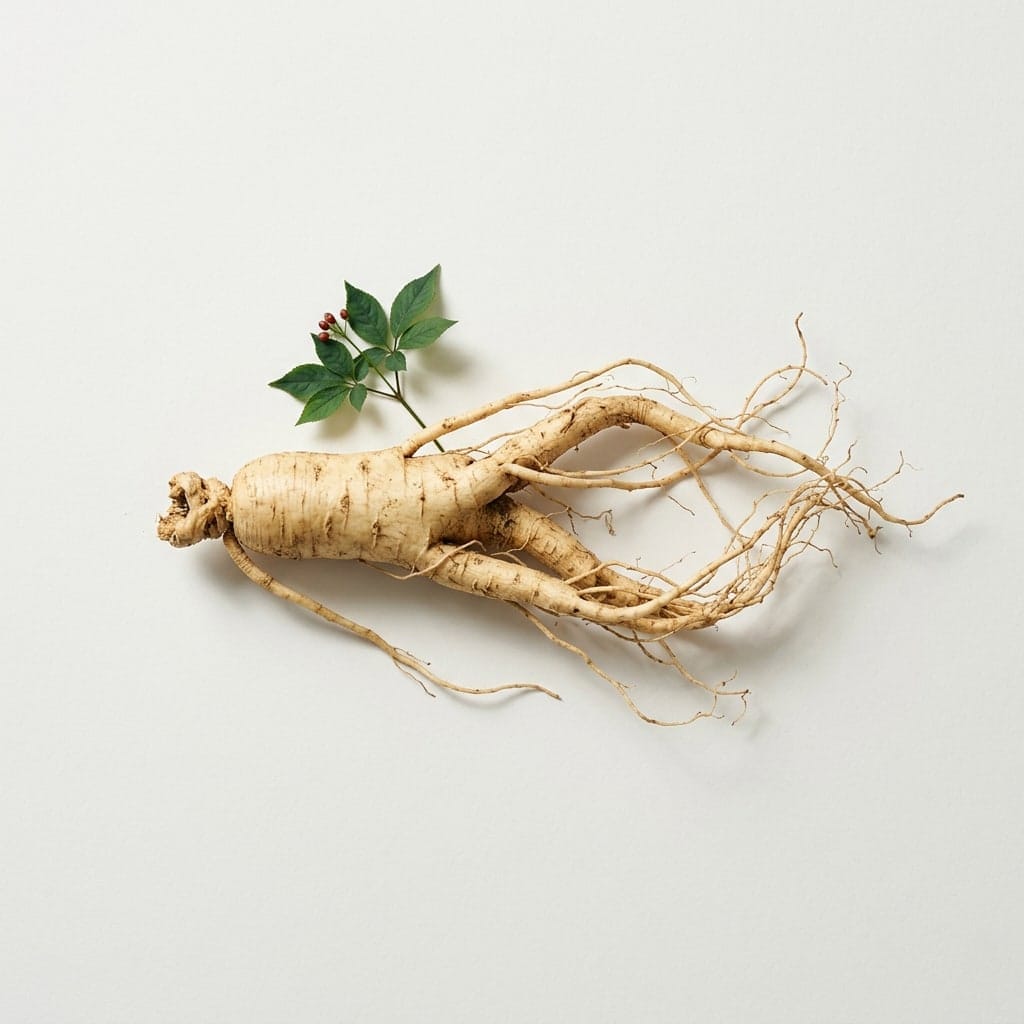
Of all the botanicals marketed for male sexual function, Panax ginseng has the most consistent randomised-trial support — with a plausible nitric-oxide mechanism behind it.
Relevant to: Sexual Health · Circulation · Men's Health
Three different plants are sold under this name and they are not interchangeable. Panax ginseng (Korean or Asian ginseng) is the species with the male-health evidence base. Panax quinquefolius (American ginseng) has a different ginsenoside profile and is studied more for cognition and glycaemic control. Eleutherococcus senticosus — sold as "Siberian ginseng" — is not a Panax species at all and contains no ginsenosides.
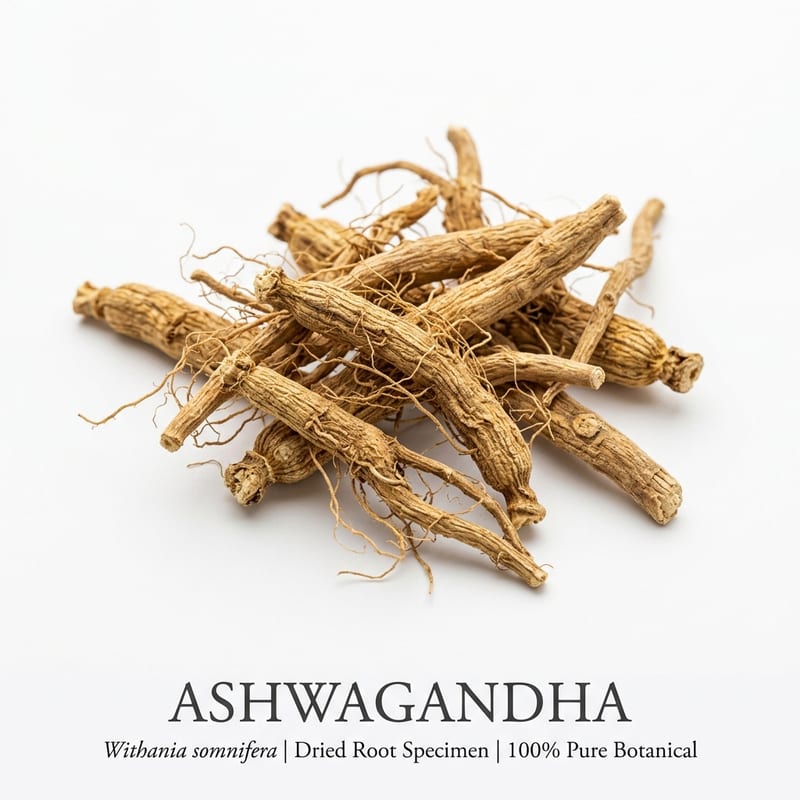
Within Panax ginseng, processing matters. White ginseng is simply dried; red ginseng is steamed before drying, which converts some ginsenosides into more bioavailable forms such as Rg3. Most of the positive sexual-function trials used Korean red ginseng specifically.
Ginsenosides increase nitric oxide release from endothelial cells and from nitrergic nerve terminals in the corpus cavernosum. In animal and tissue models this produces cGMP-mediated smooth muscle relaxation — the same final pathway that PDE-5 inhibitors act on, but entered upstream and at a far smaller magnitude.
Separately, ginsenosides show antioxidant activity and modulate the hypothalamic-pituitary-adrenal axis, which is the mechanistic basis for ginseng's classification as an adaptogen and for its studied effects on fatigue.
Erectile function. A systematic review and meta-analysis in the British Journal of Clinical Pharmacology pooled randomised placebo-controlled trials and found red ginseng produced a statistically significant improvement in International Index of Erectile Function (IIEF) scores versus placebo, while noting that the included trials were small and of moderate quality. Several individual trials using 900 mg three times daily reported meaningful improvements over 8–12 weeks.
Fatigue. Trials in chronic fatigue and in cancer-related fatigue report improvement in subjective energy measures, with effect sizes that are modest but consistent.
Cognition. Short-term improvements in working memory and reaction time have been reported, though results across studies are inconsistent.
The overall picture is a genuine but moderate effect: better supported than most botanicals in this category, and considerably weaker than prescription treatment for erectile dysfunction.
Positive sexual-function trials generally used 600–1,000 mg of red ginseng extract three times daily, i.e. roughly 1.8–3 g total. This is substantially more than the 100–200 mg found in most multi-ingredient men's formulas, which is a common reason such formulas underdeliver.
Look for a stated ginsenoside percentage. Without standardisation, the ginsenoside content of ginseng root varies with age of the plant, growing conditions and processing — a fourfold difference between batches is realistic.
Ginseng is stimulating for some people and is usually taken in the morning and at midday rather than in the evening. Cycling — for instance eight weeks on, two weeks off — is traditional practice rather than an evidence-based requirement.
Common side effects are insomnia, headache and, less often, elevated blood pressure or gastrointestinal upset. The interactions that matter clinically are with warfarin (ginseng may reduce its anticoagulant effect), antidiabetic medication (ginseng can lower blood glucose, risking additive hypoglycaemia), and MAOI antidepressants. It is also not appropriate before surgery because of effects on bleeding time and glucose.
Men with uncontrolled hypertension or a history of hormone-sensitive conditions should discuss ginseng with a doctor before use.
Presence on a label is not the same as presence at a researched dose — check the per-capsule amount.
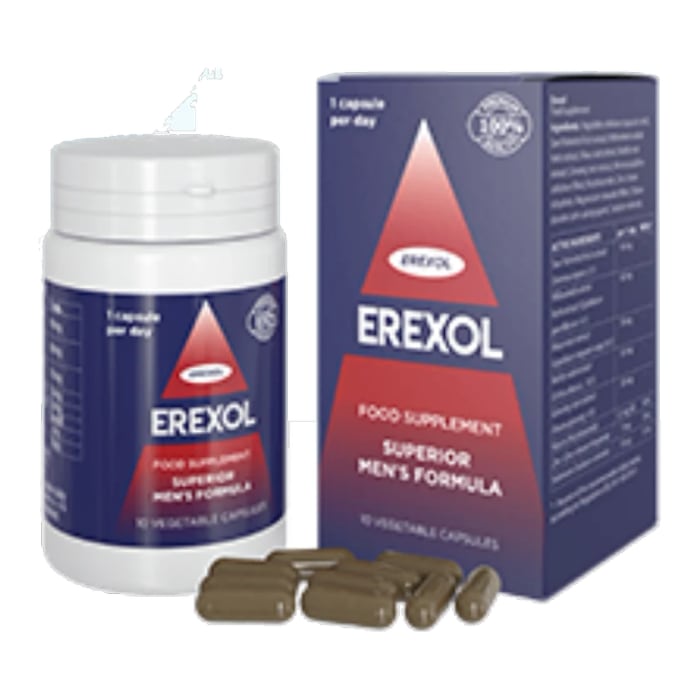
Six-botanical EU formula for male energy, libido and hormonal balance.
Read the review →Male vitality capsules — one a day, four declared plant extracts.
Read the review →Turkish-language review of a male performance formula sold in Germany.
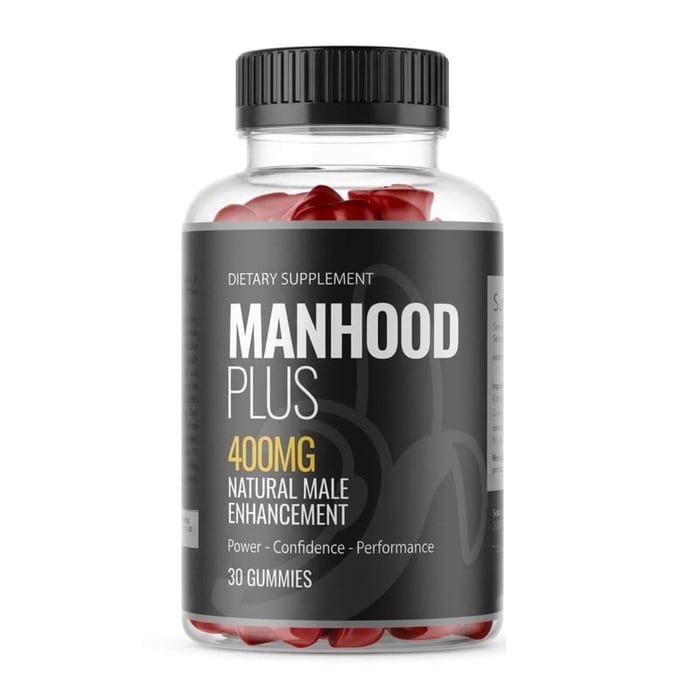
Read the review →The standard ingredient list in a gummy — compliance up, dose down.
Read the review →Eight named actives in a gummy, sold in Canada — the broadest disclosed formula of its kind here.
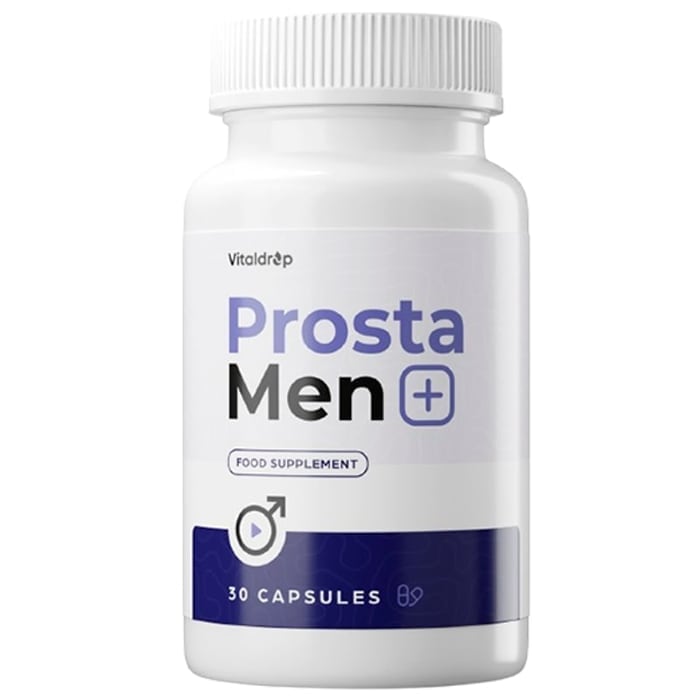
Read the review →Named for the prostate; formulated as a general vitality stack.
Read the review →For sexual-function endpoints, most of the positive trials used Korean red ginseng — steamed before drying, which converts some ginsenosides into more bioavailable forms. That is the form to look for if this is the reason you are taking it.
No. Eleutherococcus senticosus is a different plant entirely and contains no ginsenosides. It has its own, smaller evidence base and should not be treated as a substitute.
Typically 100–200 mg, against the 1.8–3 g per day used in the trials that found effects. This gap between formula dose and trial dose is one of the most common reasons a combination product does nothing.
Not without medical supervision. Ginseng has documented interactions with warfarin and may affect bleeding time, which also makes it something to stop before scheduled surgery.