
Supplements Explained: Timing, Combinations and What to Expect
Most supplement failure is not ingredient failure. It is dose, timing, absorption competition, or judging a 12-week intervention after 10 days.
Fat-soluble versus water-soluble
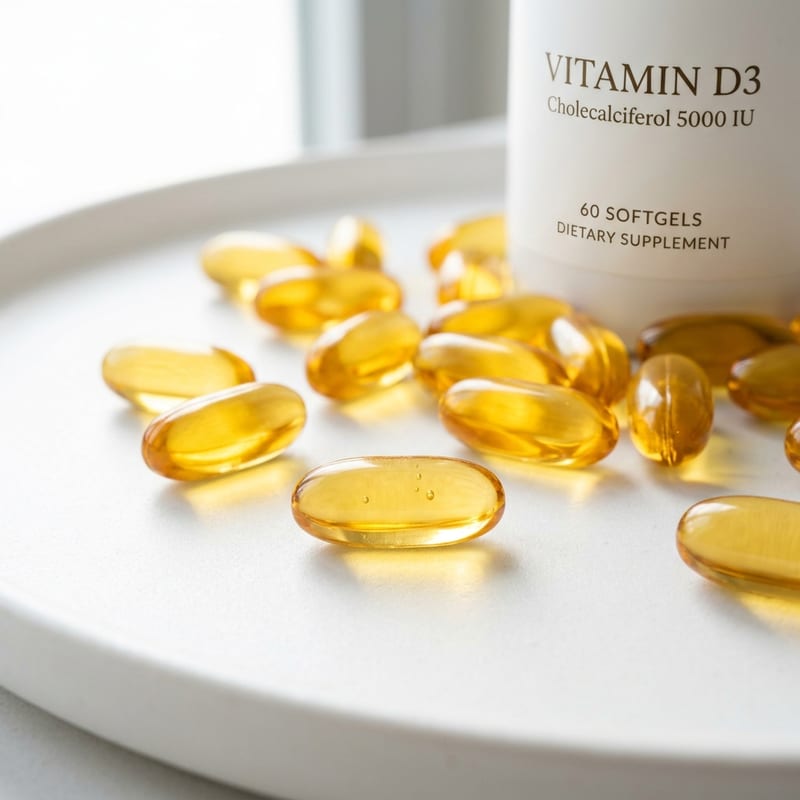
Vitamins A, D, E and K require dietary fat for absorption. Taking vitamin D with black coffee on an empty stomach delivers considerably less than taking it with a meal containing fat — a difference large enough to matter over months. The same applies to CoQ10, lycopene and other fat-soluble compounds.
Water-soluble vitamins (B-complex, C) do not have this requirement and are absorbed regardless, with excess excreted. This is why high-dose vitamin C mostly produces expensive urine above the saturation point.
Which combinations compete
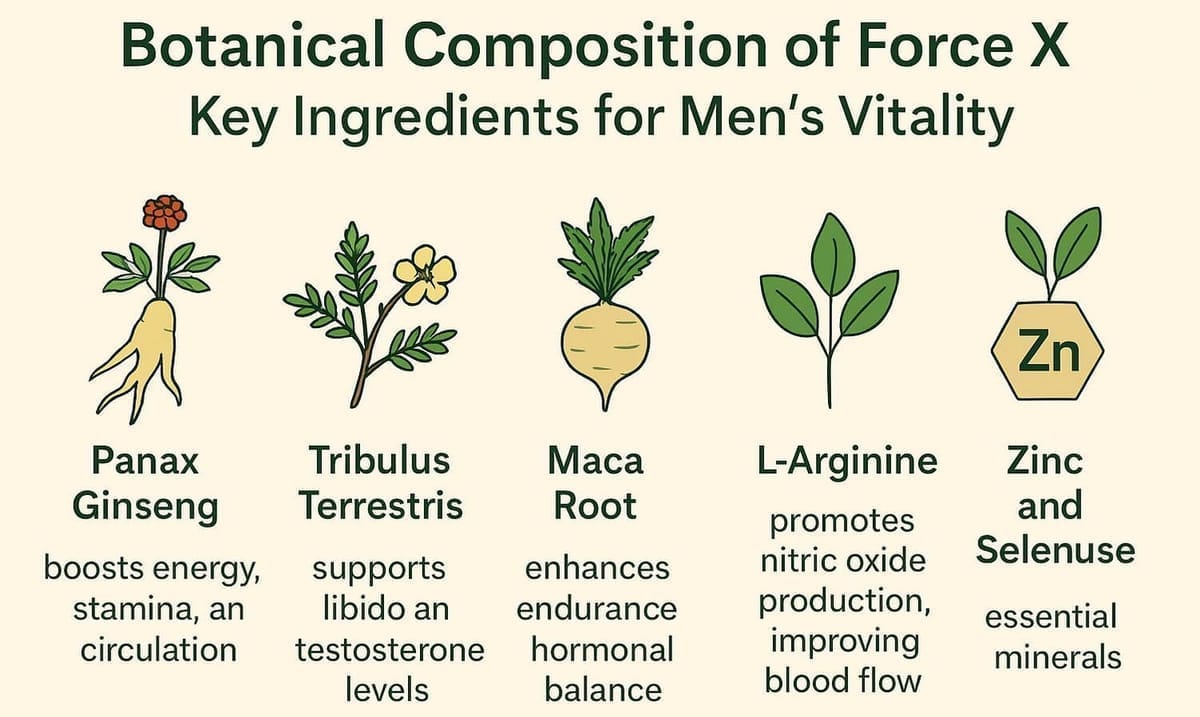
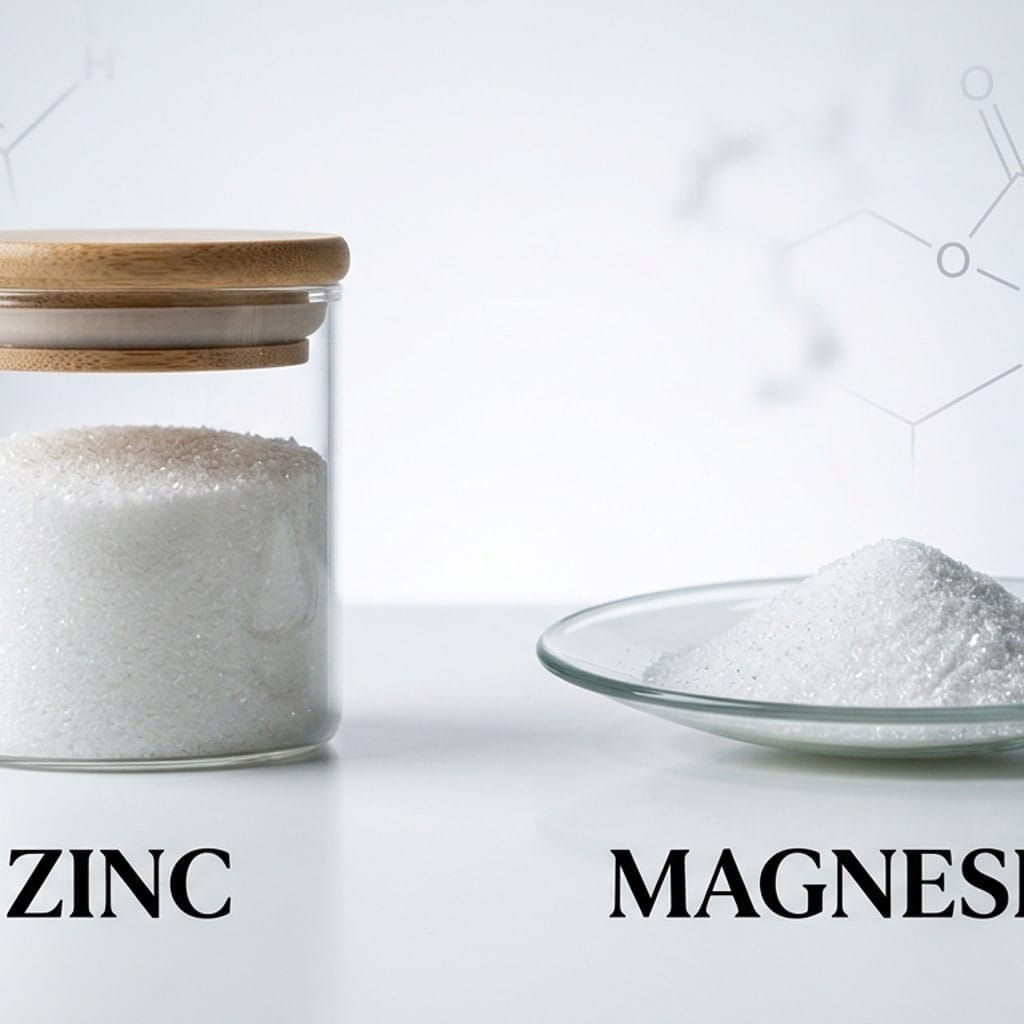
Zinc and copper share an intestinal transporter, and sustained high-dose zinc induces metallothionein, which preferentially binds copper and blocks its absorption. Long-term zinc above 25 mg daily should include 1–2 mg copper.
Calcium and iron, zinc and iron compete directly. Space them by several hours rather than taking a combined mineral tablet and assuming full absorption of each.
Calcium and zinc — calcium impairs zinc absorption when taken simultaneously in large doses.
Phytates in whole grains and legumes bind zinc, iron and magnesium. This is not a reason to avoid those foods, but it does mean mineral supplements are better taken away from a high-phytate meal.
Magnesium and certain antibiotics (tetracyclines, quinolones) bind together and reduce absorption of the antibiotic — a genuine clinical interaction, not a theoretical one.
Timing that actually matters
Morning: ginseng, tongkat ali, B vitamins, and anything stimulating. Evening dosing of these commonly causes insomnia, which then undoes any benefit.
Evening: magnesium (particularly glycinate), ashwagandha if sleep is the target, and melatonin where used.
With food: all fat-soluble vitamins, zinc (which frequently causes nausea on an empty stomach), and iron unless specifically advised otherwise.
60–120 minutes before activity: L-citrulline and dietary nitrate, both of which have an acute, time-limited effect that should be aligned with when it is wanted.
Any time, consistently: adaptogens and micronutrients being taken for cumulative effect. Consistency matters far more than the hour.
How long before judging it
This is where most people go wrong. Realistic timeframes from the trial literature:
Acute (1–2 hours): nitric oxide precursors, caffeine. 2–4 weeks: initial changes in sleep and subjective energy from adaptogens; endothelial function from exercise. 8–12 weeks: the timeframe most supplement trials use for their primary endpoint — sexual function scores, cortisol, testosterone in deficiency correction. 3–6 months: sperm parameters, which follow the roughly 74-day spermatogenesis cycle, and body composition changes.
Judging an 8-week intervention at day 10 and concluding it has had no effect is the single most common error in supplement use. So is the opposite — continuing indefinitely with something that produced nothing after a full, properly dosed trial period.
Interactions to take seriously
Some supplement-drug interactions are clinically significant and worth knowing by name. St John's wort induces cytochrome P450 enzymes and reduces the effectiveness of a long list of drugs including anticoagulants, immunosuppressants and hormonal contraceptives. Ginseng interacts with warfarin and antidiabetic medication. Vitamin K opposes warfarin. Anything vasodilatory should not be combined with nitrate medication. Ashwagandha can raise thyroid hormone and should be avoided with thyroid medication or autoimmune thyroid disease without medical advice.
Two practical rules: tell every prescriber everything you take, including things you consider "natural"; and stop supplements two weeks before scheduled surgery unless told otherwise, because several affect bleeding time and glucose control.
When to stop
Stop immediately and seek medical advice for jaundice, dark urine, pale stools, upper-right abdominal pain, unexplained rash, palpitations or persistent vomiting. Liver injury from supplements is rare but real, and it is one of the leading causes of drug-induced liver injury in several national registries.
Stop on efficacy grounds if a properly dosed product has produced nothing over its full expected timeframe. The sunk cost of a half-used bottle is not a reason to continue.


Frequently asked questions
Should supplements be taken with food?
Fat-soluble vitamins (A, D, E, K) and compounds like CoQ10 need dietary fat for absorption, so yes. Zinc is better with food simply because it commonly causes nausea otherwise. Water-soluble vitamins do not require it.
Can everything be taken at once?
It is convenient but costs absorption. Zinc competes with copper, iron and calcium; stimulating botanicals belong in the morning; magnesium is usually better in the evening. Splitting into a morning and an evening group solves most of the conflicts.
How long before I know if something works?
Most supplement trials measure their primary endpoint at 8–12 weeks. Adaptogens may show subjective changes at 2–4 weeks. Sperm parameters need 3 months because of the spermatogenesis cycle. Ten days is not an evaluation.
Do I need to cycle supplements?
For most micronutrients, no. Cycling is conventional practice for some stimulating botanicals such as ginseng and tongkat ali, and it is a reasonable precaution with ashwagandha given the rare liver reports, but it is convention rather than a well-tested requirement.