Sexual Health
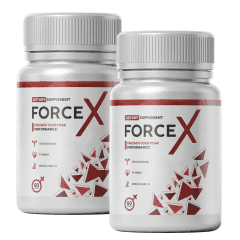
Force X
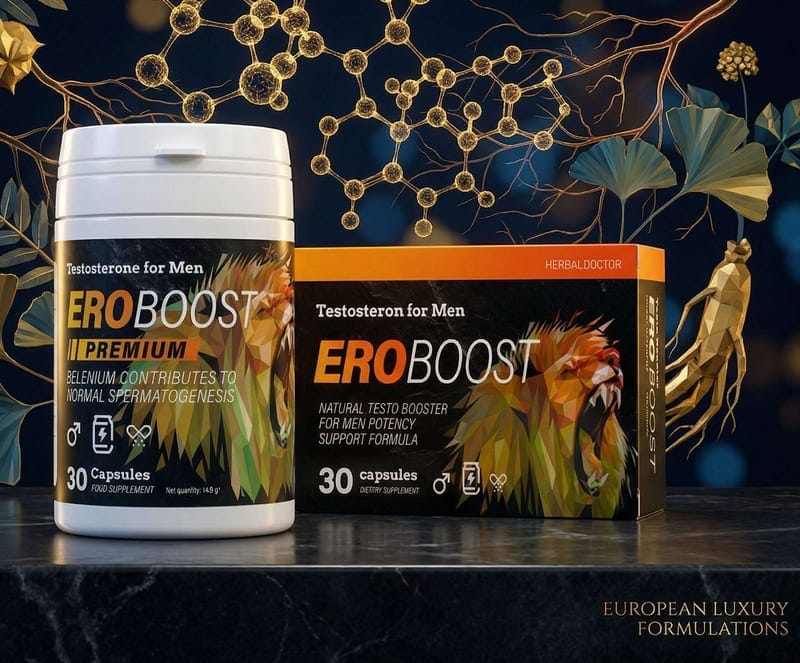
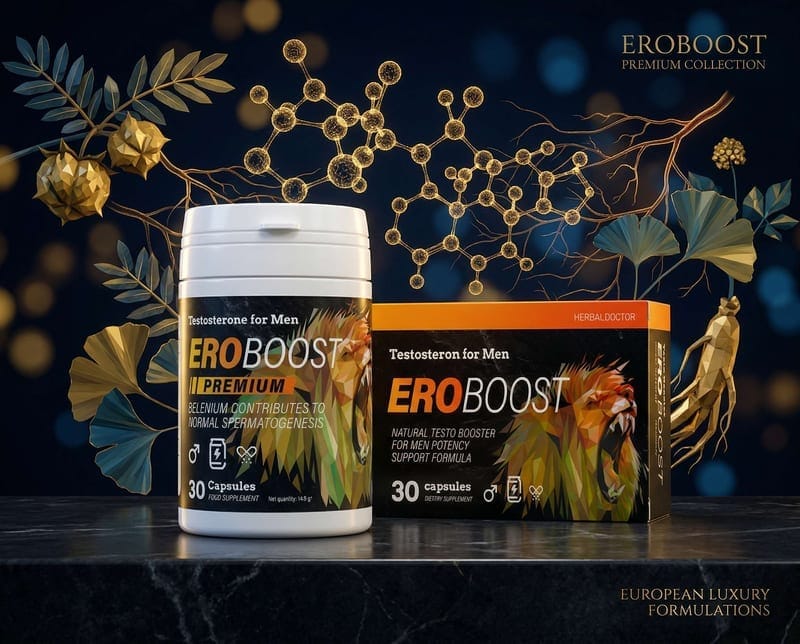
Six-botanical EU formula for male energy, libido and hormonal balance.
Read the review →Tribulus terrestris L.
Contested evidence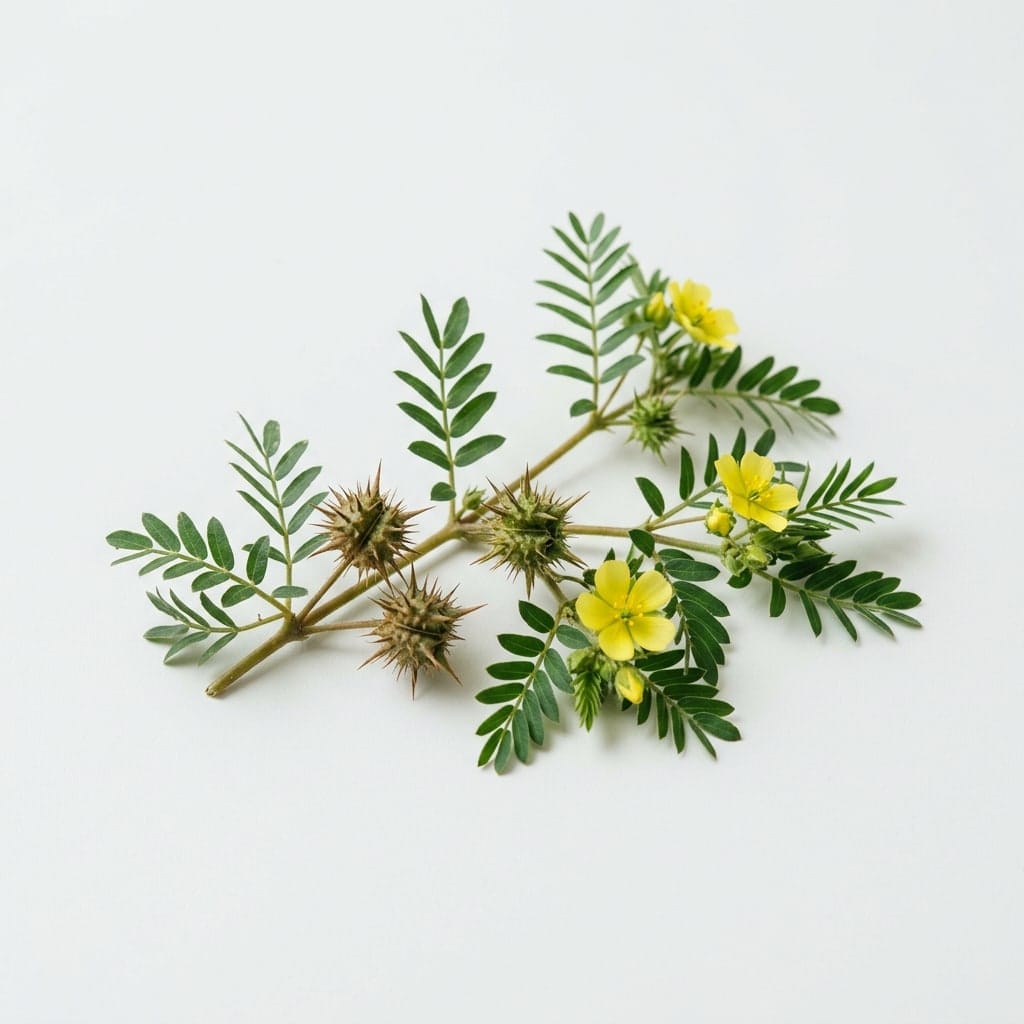
The most widely sold "testosterone booster" ingredient in the world, and the one with the clearest record of failing to raise testosterone in controlled human trials. There is a weaker but real signal for libido.
Relevant to: Sexual Health · Testosterone
Tribulus entered Western supplementation through Eastern European sports science in the 1970s and 80s, on the back of Bulgarian research reported in non-peer-reviewed literature. The active class is steroidal saponins, principally protodioscin, and the proposed mechanism was that protodioscin raises luteinising hormone, which in turn raises testosterone.
Animal work appeared to support this. A frequently cited primate study reported increased testosterone after intravenous administration of tribulus extract. Intravenous dosing in macaques is not a model for oral capsules in men, and this distinction is regularly lost in marketing copy.
Rogerson et al., 2007 — elite rugby players, 5 weeks of tribulus or placebo alongside training. No difference in testosterone, no difference in strength or body composition.
Neychev and Mitev, 2005 — young men, 4 weeks, three dose levels. No effect on total or free testosterone at any dose. The authors concluded tribulus does not affect androgen production in young men.
Antonio et al., 2000 — resistance-trained men, 8 weeks. No difference in body composition or performance versus placebo.
Systematic reviews covering this literature have concluded there is no convincing evidence for a testosterone-raising effect in men with normal baseline levels.
There is a partial counterpoint: some trials in men with erectile dysfunction or reduced libido report improvement in IIEF scores at doses around 750–1,500 mg per day, and a trial in menopausal women found improved sexual desire. Both point to a possible effect on sexual function that is independent of testosterone — consistent with proposed nitric-oxide or central mechanisms rather than a hormonal one.
Cost and recognition. Tribulus extract is inexpensive, the name is familiar to consumers, and the "testosterone booster" association is commercially valuable even though the trial record does not support it. It is often the largest single component by weight in proprietary blends for exactly this reason.
Standardisation is also weak in practice. Protodioscin content varies enormously by plant part, geographic origin and season — Bulgarian and Turkish material is typically higher than Indian or Chinese. A label stating only "Tribulus terrestris 500 mg" without a saponin percentage tells you nothing about what is in the capsule.
Tribulus is generally well tolerated, but the safety record is not blank. There are published case reports of hepatotoxicity, nephrotoxicity and one case of seizure associated with tribulus-containing products, some involving very high doses. Cases of gynaecomastia and prostate enlargement have also been reported. Because it may affect blood glucose and blood pressure, people on medication for either should exercise caution.
Tribulus should not be used by men with hormone-sensitive conditions without medical advice, nor during pregnancy.
Presence on a label is not the same as presence at a researched dose — check the per-capsule amount.
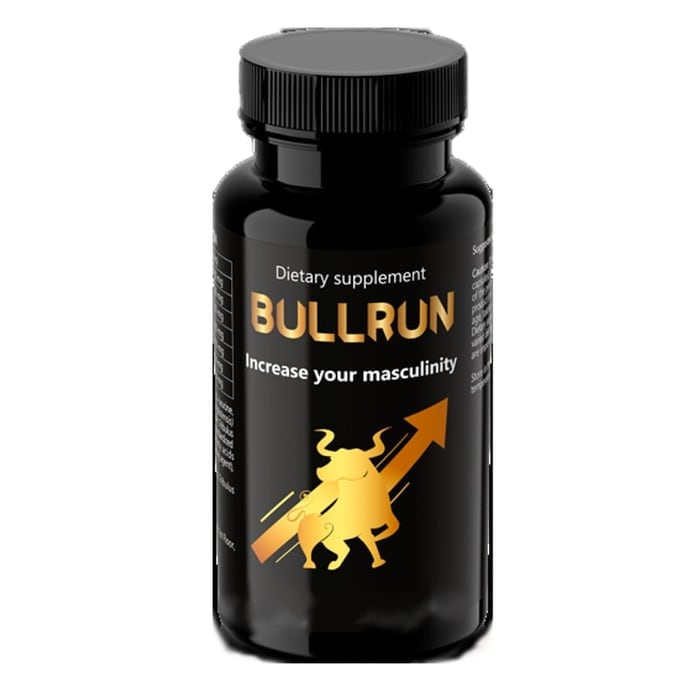
Six-botanical EU formula for male energy, libido and hormonal balance.
Read the review →The Portuguese edition of the EroBoost botanical formula.
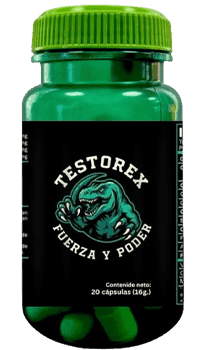
Read the review →Testosterone-support capsules — Guatemala and Spanish-language markets.
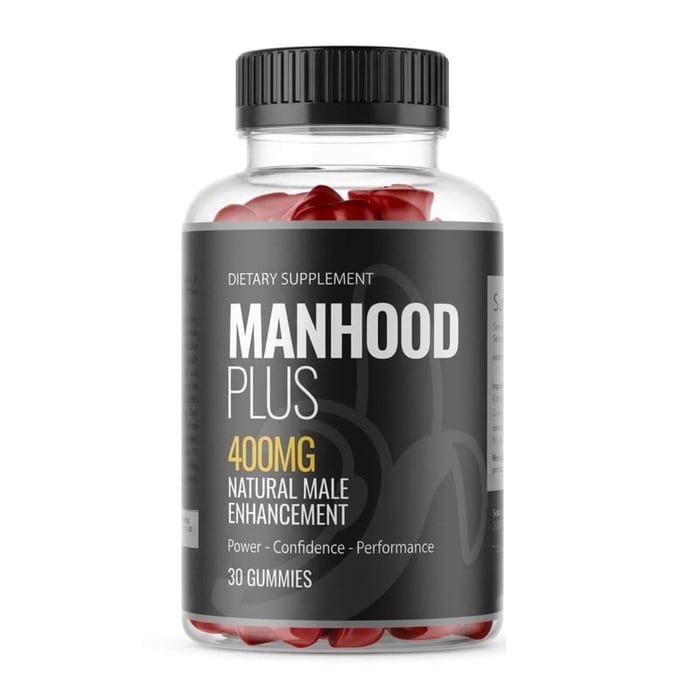
Read the review →The standard ingredient list in a gummy — compliance up, dose down.
Read the review →Eight named actives in a gummy, sold in Canada — the broadest disclosed formula of its kind here.
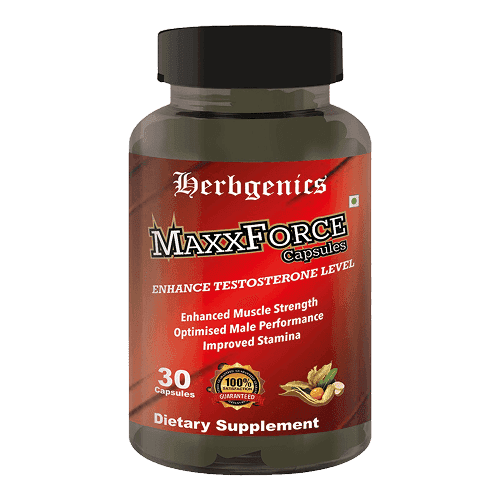
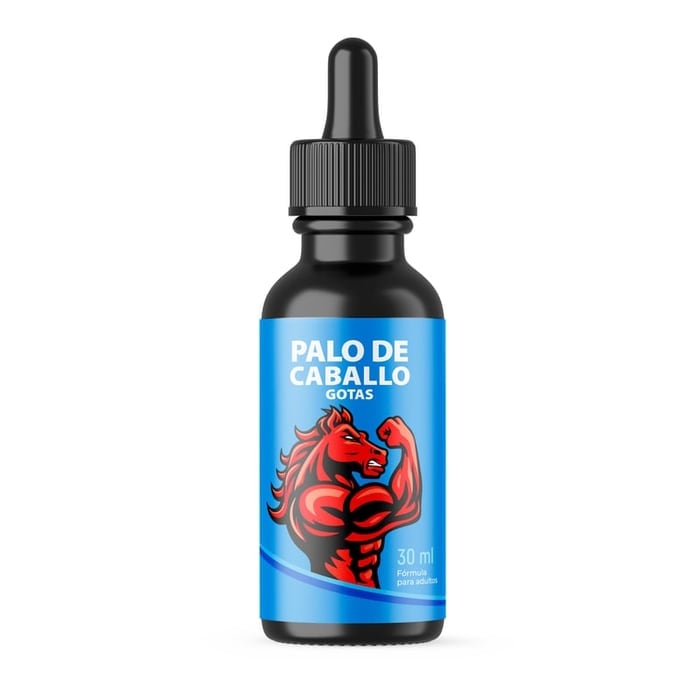
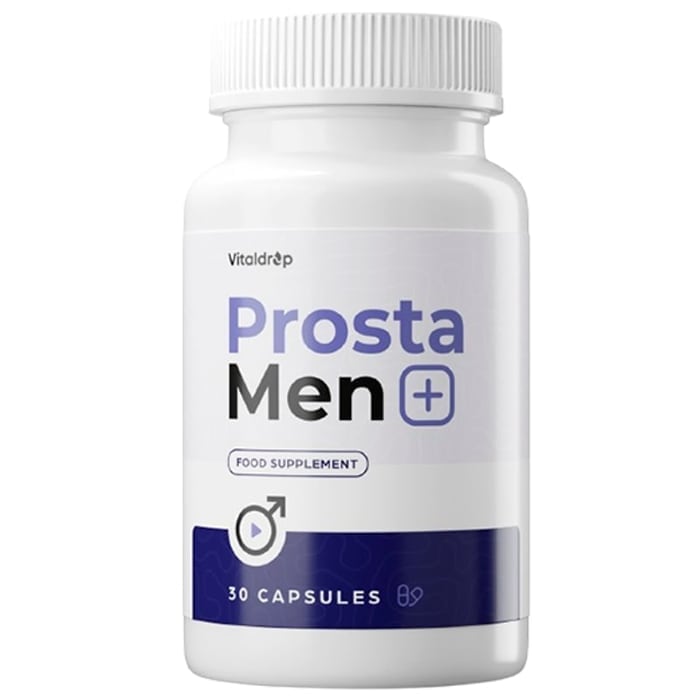
Read the review →Named for the prostate; formulated as a general vitality stack.
Read the review →Not according to controlled trials in men. Studies in athletes, in young men at three dose levels, and in resistance-trained men all found no change in total or free testosterone versus placebo. Systematic reviews reach the same conclusion.
It is cheap, consumers recognise the name, and the testosterone association sells — regardless of the trial record. In proprietary blends it is frequently the bulk ingredient by weight.
Some. Trials in men with erectile dysfunction and in women with low desire have reported improved sexual function scores at 750–1,500 mg per day. If real, the mechanism is not hormonal, since the same trials show no testosterone change.
Generally well tolerated, but there are case reports of liver and kidney toxicity associated with tribulus-containing products, mostly at high doses. It should be avoided by men with hormone-sensitive conditions unless a doctor advises otherwise.