Guide
The Best Natural Ingredients for Men's Health, Ranked by Evidence
Not a top-ten list. A ranking by the quality of the evidence behind each ingredient — which means some of the best-selling actives finish near the bottom.
Everything on this site starts here. Men's health is not one system but four interacting ones — hormonal, vascular, metabolic and psychological. This hub explains how they connect, what changes after 30, and where nutrition and supplementation genuinely play a role.
Male physiology changes on a predictable curve. Free testosterone declines by roughly 1–2% per year from the mid-thirties, sex hormone-binding globulin (SHBG) rises, endothelial nitric oxide output falls, and the prostate gradually enlarges under long-term DHT exposure. None of these are diseases — they are age-related shifts that vary enormously between individuals depending on sleep, body composition, training, alcohol intake and chronic stress.
That variability matters because it is the reason two men of the same age can have completely different experiences of "getting older". It is also why the honest answer to "which supplement should I take?" always begins with which system is actually under strain.
Hormonal. Testosterone is produced in the Leydig cells of the testes under pituitary LH signalling. Most circulating testosterone is bound to SHBG and albumin; only 1–2% is free and biologically active. Age raises SHBG, so free testosterone can fall meaningfully while total testosterone still reads as normal on a lab panel. This is why symptoms and blood results sometimes disagree.
Vascular. Erectile function, exercise capacity and even cognitive stamina depend on endothelial nitric oxide (NO) — a signalling molecule that relaxes smooth muscle and widens blood vessels. NO output declines with age, smoking, high blood pressure and poor glycaemic control. The penile arteries are among the narrowest in the body, which is why vascular decline often shows up there first, years before a cardiac event.
Metabolic. Visceral fat is hormonally active tissue: it expresses aromatase, which converts testosterone into oestradiol. Excess abdominal fat therefore lowers testosterone, and low testosterone promotes further fat gain — a self-reinforcing loop that is broken far more effectively by training and calorie control than by any capsule.
Psychological. Chronic stress raises cortisol, which suppresses gonadotropin-releasing hormone at the hypothalamus and depresses libido independently of testosterone. Sleep deprivation does the same: one week of five-hour nights measurably lowers daytime testosterone in healthy young men.
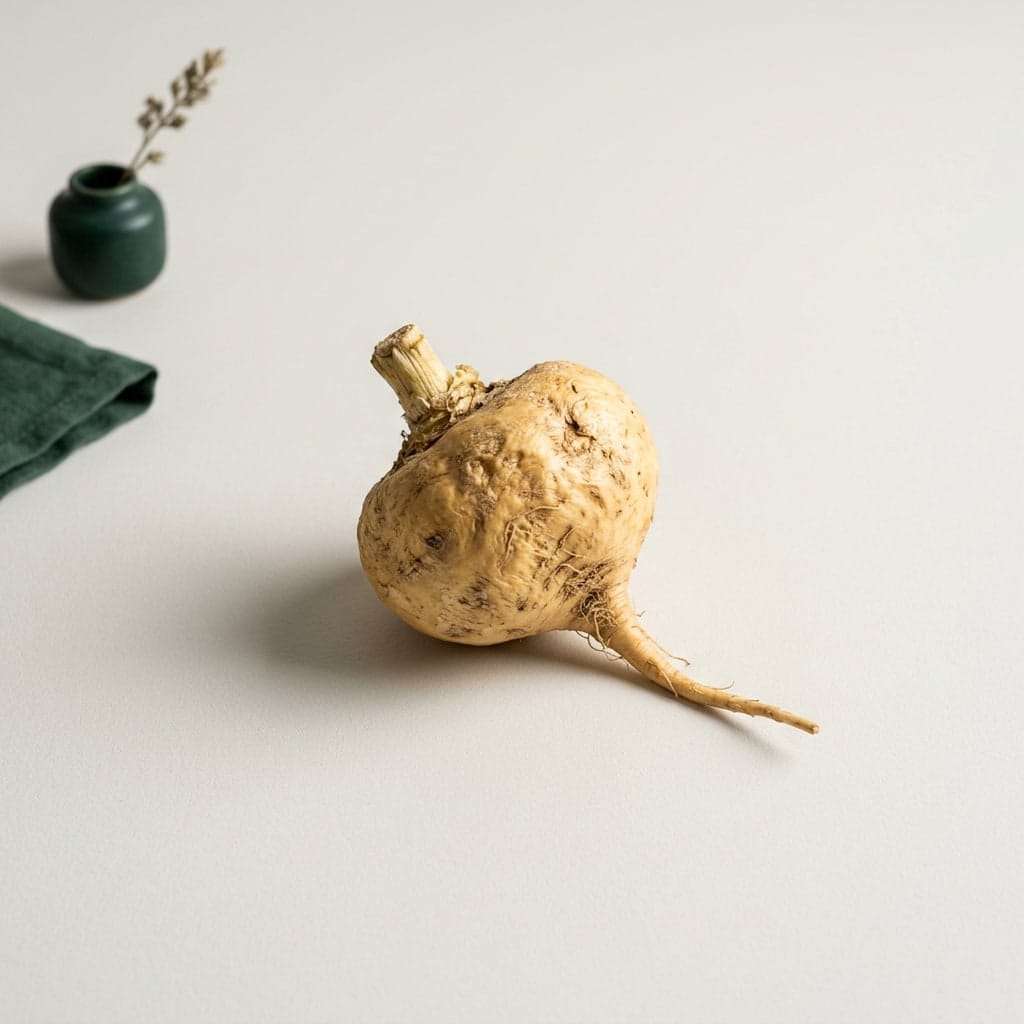
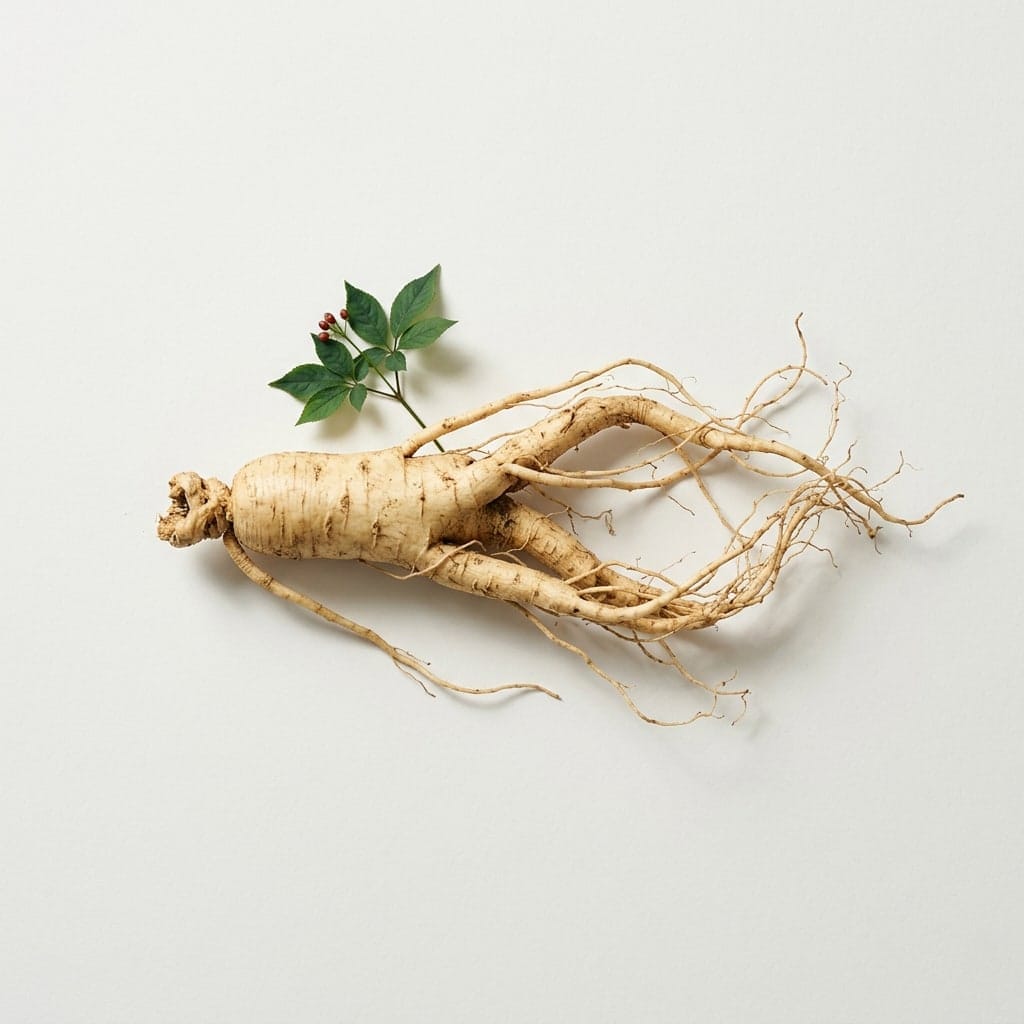
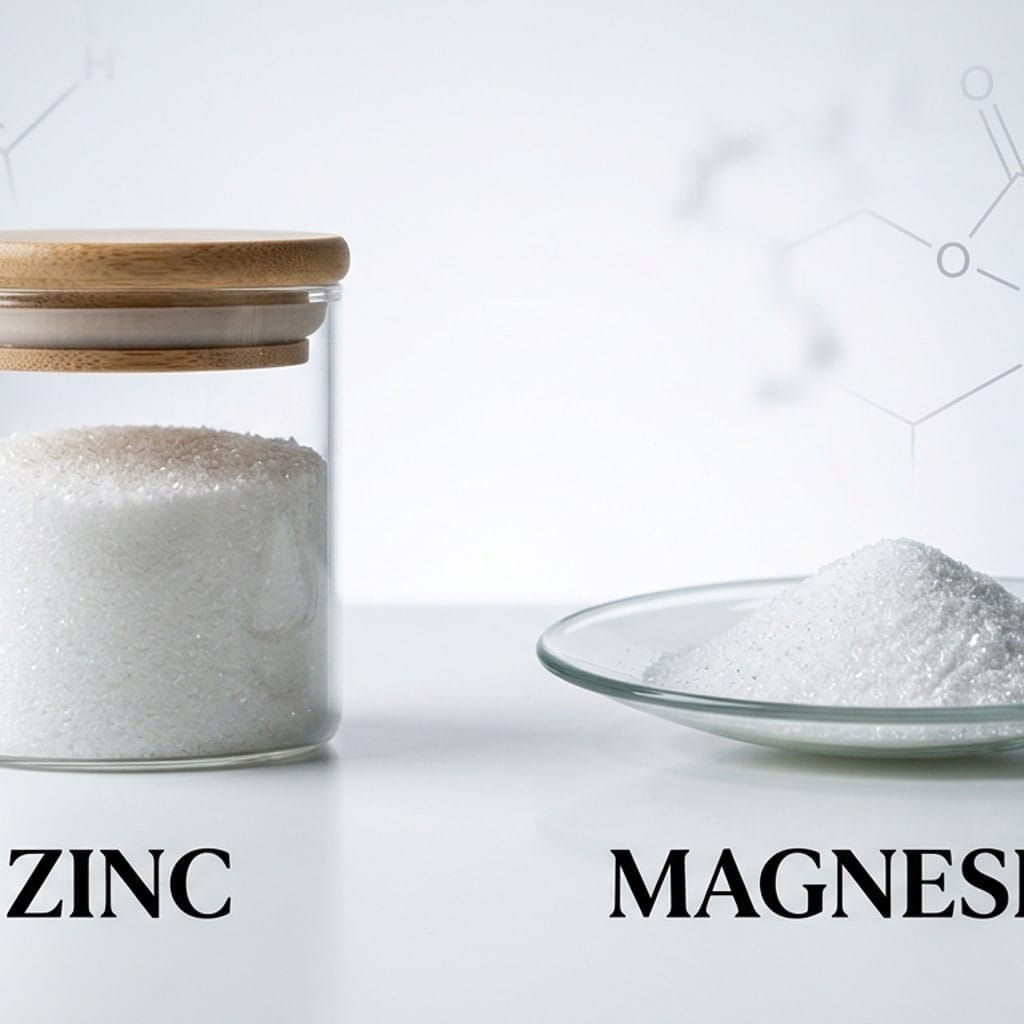
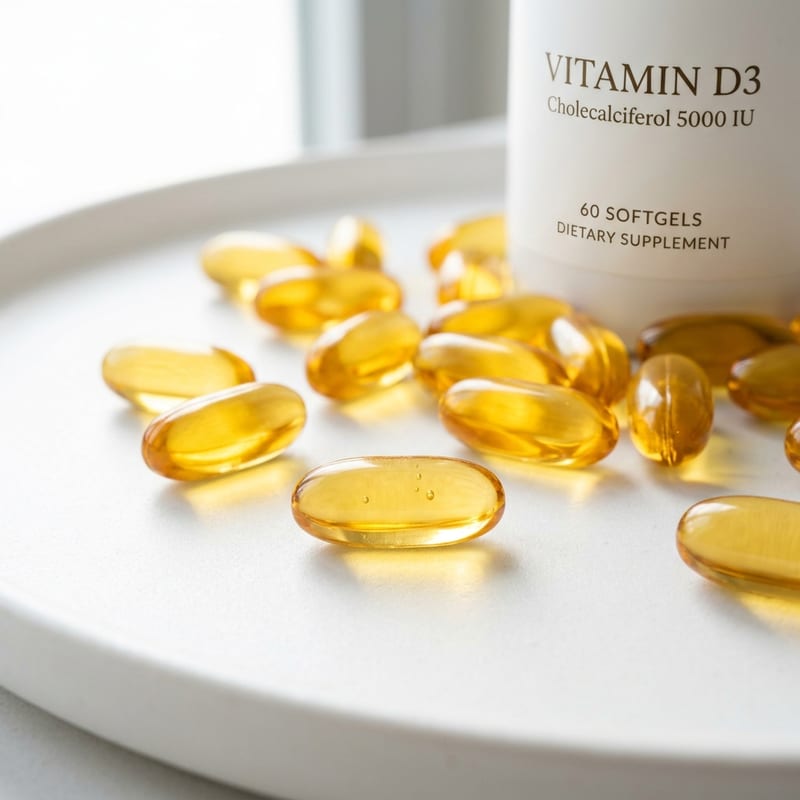
A dietary supplement is not a medicine, and in the EU it may not legally claim to treat, cure or prevent disease. What well-formulated products can do is correct deficiencies (zinc, magnesium, vitamin D), supply substrate for pathways that are working but under-supplied (L-arginine, L-citrulline for NO), or provide adaptogenic plant compounds with a documented effect on stress response and subjective wellbeing (ginseng, ashwagandha, maca).
What they cannot do is replace testosterone in a man with clinical hypogonadism, resolve an arterial blockage, or substitute for the effect of losing 10 kg of visceral fat. Any product marketed as doing so is overreaching, and the sensible response is scepticism.
Certain symptoms are signals to seek medical assessment first, not to self-treat: erectile difficulty that appears suddenly, blood in the urine or semen, unexplained weight loss, breast tissue development, testicular pain or a palpable lump, or a persistently weak urinary stream with incomplete emptying. Sudden-onset erectile dysfunction in particular is an established early marker of cardiovascular disease and warrants a blood pressure, lipid and glucose check.
Mechanism, human trial results, dose and safety — with the evidence tier stated up front.


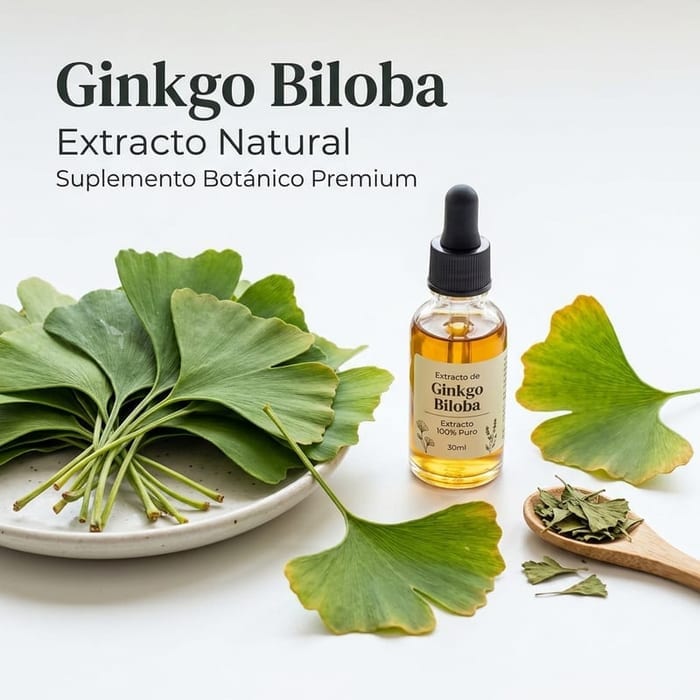
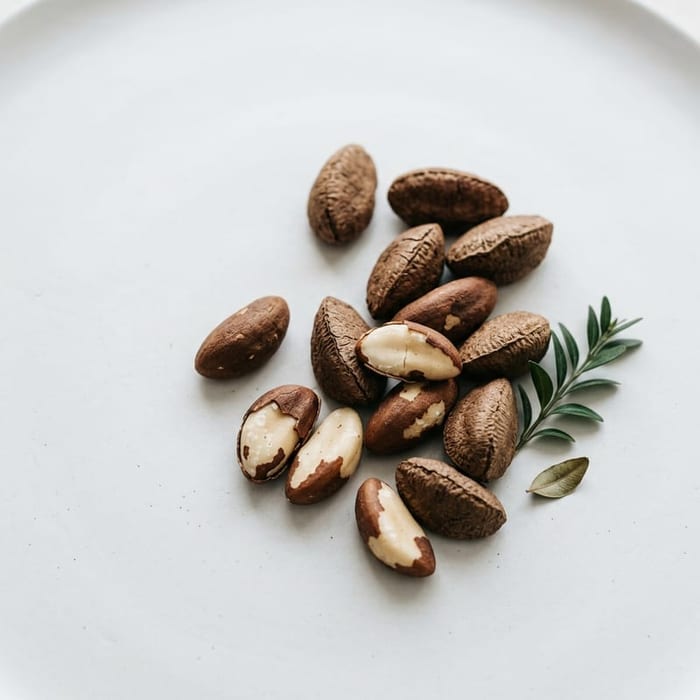
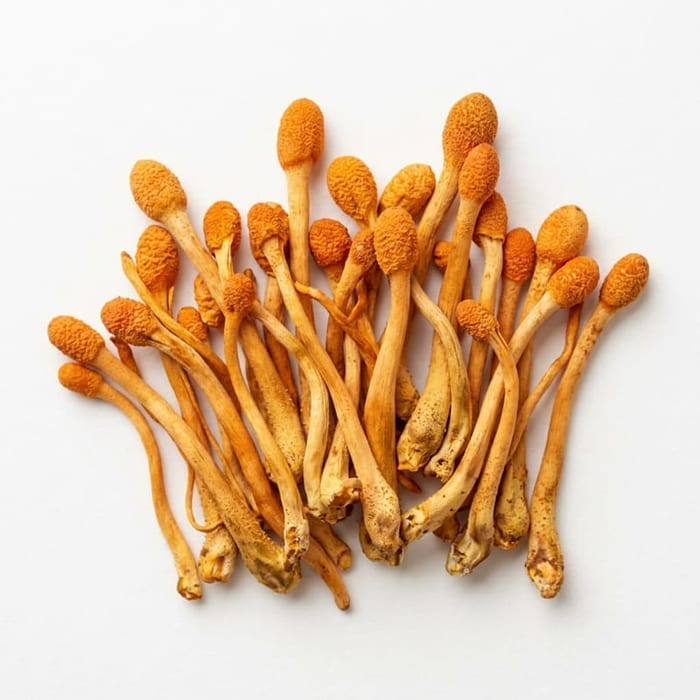
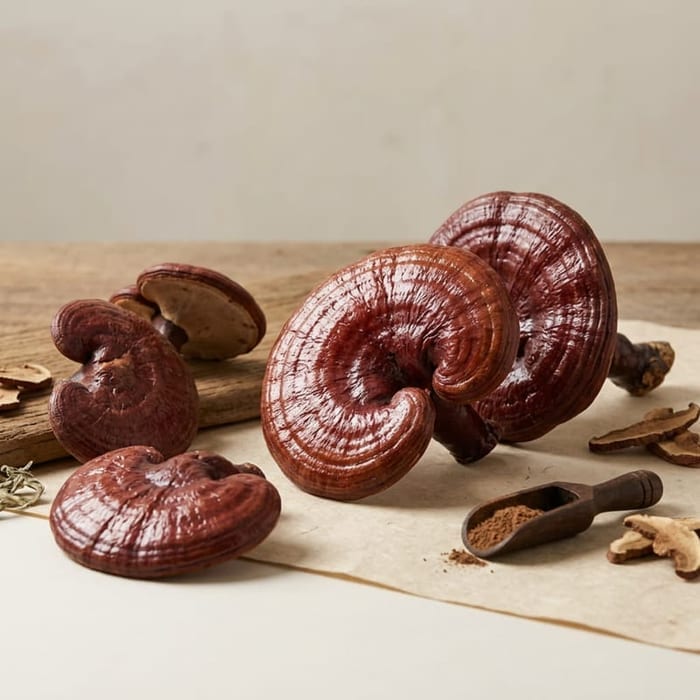
Not a top-ten list. A ranking by the quality of the evidence behind each ingredient — which means some of the best-selling actives finish near the bottom.
Vitality is not one thing. It is the output of four systems — hormonal, vascular, metabolic and neurological — and knowing which one is limiting is the difference between fixing the problem and buying the wrong capsule.
A gas with a half-life of a few seconds controls blood pressure, exercise capacity and erectile function. Understanding the two routes to producing it explains most of what circulation supplements are trying to do.
Diet outperforms supplementation in this field, and the foods that matter are not exotic. Here is what the trials support, and what the internet repeats without support.
Most supplement failure is not ingredient failure. It is dose, timing, absorption competition, or judging a 12-week intervention after 10 days.
Every intervention on this page has a larger documented effect on male physiology than anything sold in a capsule. None of them is for sale, which is precisely why they get less attention.
Listed for comparison. Inclusion is not a recommendation.
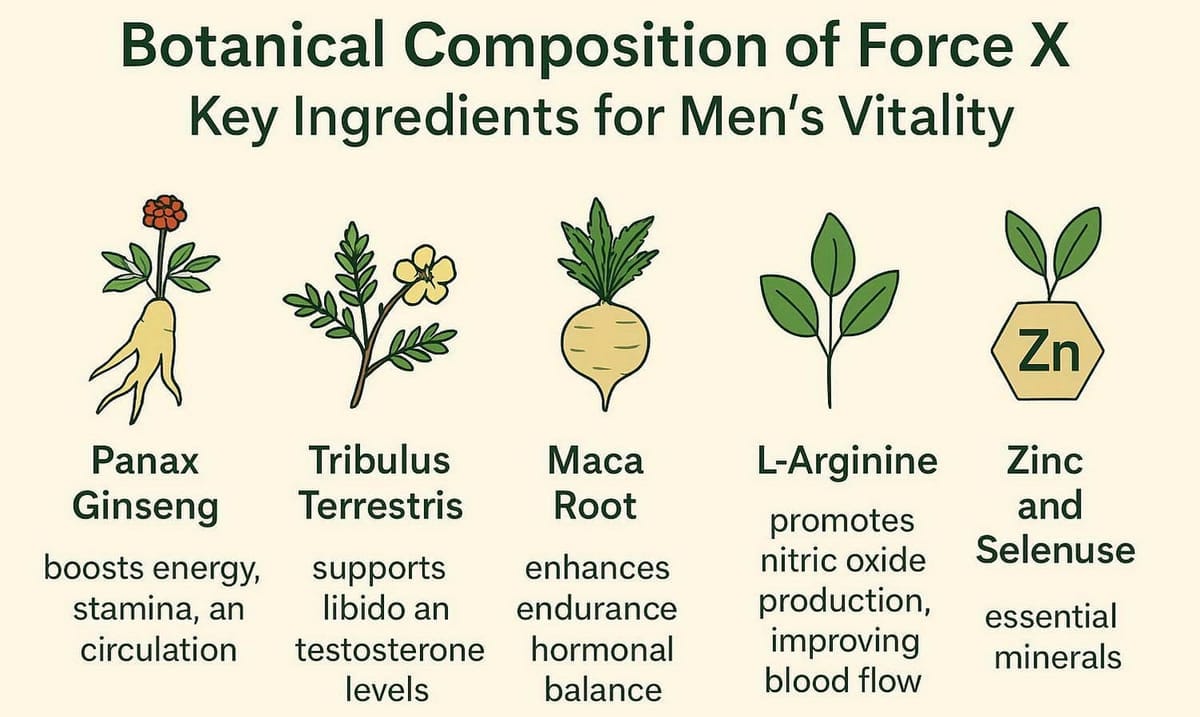
Six-botanical EU formula for male energy, libido and hormonal balance.
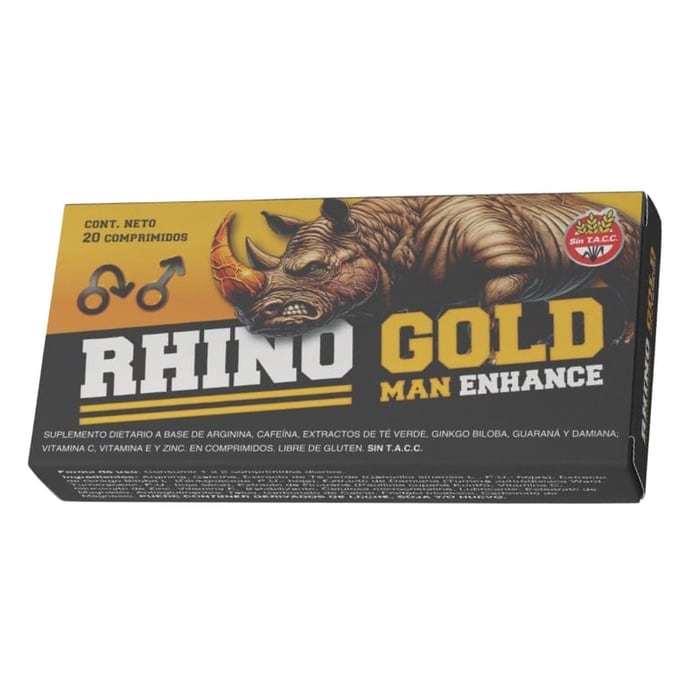
Read the review →Argentine formula in which three of six actives are caffeine sources.
Read the review →Liquid cordyceps and reishi concentrate, standardised.
Read the review & alternatives →Named for the prostate; formulated as a general vitality stack.
Read the review →A brand covering several different formulas, not one product.
Read the review →There is no threshold age. Free testosterone begins its slow decline in the mid-thirties, but lifestyle factors — sleep debt, visceral fat, chronic alcohol intake — affect it far more strongly than age alone in men under 50. Attention is better directed at those factors from the thirties onward than at chasing a number.
It is useful if you have persistent symptoms — low libido, fatigue, loss of morning erections, mood changes. Ask for total testosterone, free testosterone and SHBG together, sampled between 7 and 10 am, because a total-only reading can miss a low free fraction masked by elevated SHBG.
Some do. Botanical extracts can interact with anticoagulants, antihypertensives, nitrates and hormone-modulating drugs. Always tell your doctor or pharmacist about every supplement you take, and never combine nitrate medication with anything marketed for circulation without medical clearance.