Sexual Health
Offer closed
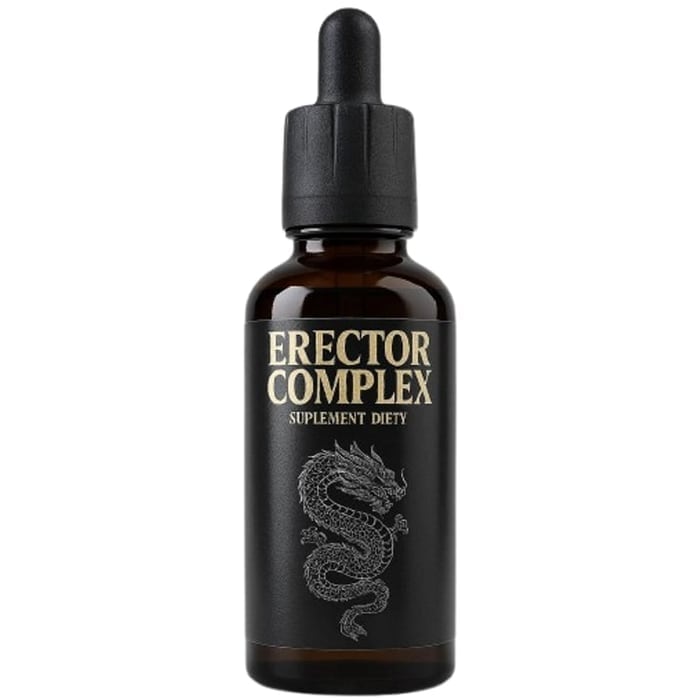
Erector Complex
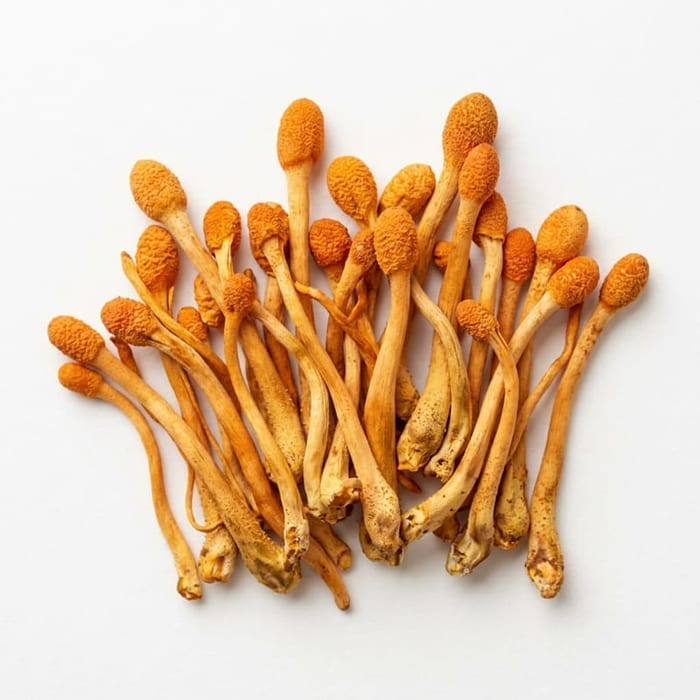
Liquid cordyceps and reishi concentrate, standardised.
Read the review & alternatives →Ganoderma lucidum
Limited evidence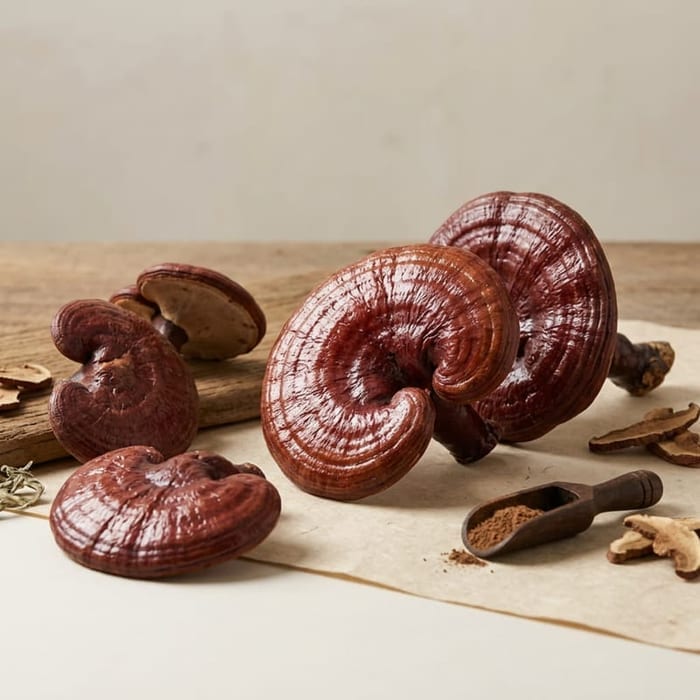
Two thousand years of traditional use, and a clinical evidence base that has not caught up. Reishi is a case study in why traditional standing and demonstrated effect are different things.
Relevant to: Men's Health
Reishi carries two distinct classes of active compound that require different solvents. Beta-glucans — the immune-modulating polysaccharides — are water-soluble. Triterpenes, including the ganoderic acids responsible for reishi's characteristic bitterness, are alcohol-soluble and are not extracted by hot water alone.
A product made by water extraction only therefore contains roughly half of what the mushroom offers. Dual extraction — water and alcohol — is the specification to look for, and its absence on a label is a meaningful gap. Raw powdered fruiting body, meanwhile, is largely indigestible chitin: the cell walls need to be broken by extraction for the actives to be available at all.
Cancer supportive care is where reishi has been studied most. A Cochrane review concluded there was insufficient evidence to justify reishi as a first-line treatment, while noting it might have a supportive role alongside conventional treatment, with some improvement in immune-function markers and quality-of-life measures.
Sleep and fatigue endpoints appear in small trials with modest results. Blood pressure and lipids have been examined with inconsistent findings. Immune markers — natural killer cell activity, cytokine profiles — do respond in several studies, though marker change is not the same as clinical benefit.
There is no specific evidence base for reishi in male sexual function, and any formula implying one is extrapolating from its general adaptogen reputation.
Reishi is generally well tolerated. Reported side effects are mild — dry mouth, throat irritation, digestive upset, occasional rash. Rare cases of hepatotoxicity have been reported, notably associated with powdered rather than extracted preparations.
The interactions matter more than the side effects. Reishi has antiplatelet activity and should not be combined with anticoagulants or antiplatelet drugs without medical advice, nor taken close to surgery. Its immune-modulating activity makes it inadvisable alongside immunosuppressant medication or after organ transplantation. It may also enhance the effect of antihypertensive and antidiabetic drugs.
Presence on a label is not the same as presence at a researched dose — check the per-capsule amount.
Liquid cordyceps and reishi concentrate, standardised.
Read the review & alternatives →Reishi's beta-glucans are water-soluble and its triterpenes are alcohol-soluble. Only using both solvents captures the full active profile — a water-only extract contains roughly half of what the mushroom offers.
A Cochrane review of reishi in cancer care found insufficient evidence to support it as a first-line treatment, while allowing a possible supportive role. Its two thousand years of traditional use is not the same as demonstrated clinical effect.
There is no specific evidence base for it. Formulas that include it for that purpose are extrapolating from its general adaptogen reputation.
Anyone on anticoagulants or antiplatelet drugs, because of its antiplatelet activity; anyone on immunosuppressants or after transplantation; and anyone approaching surgery. It may also add to the effect of blood pressure and diabetes medication.