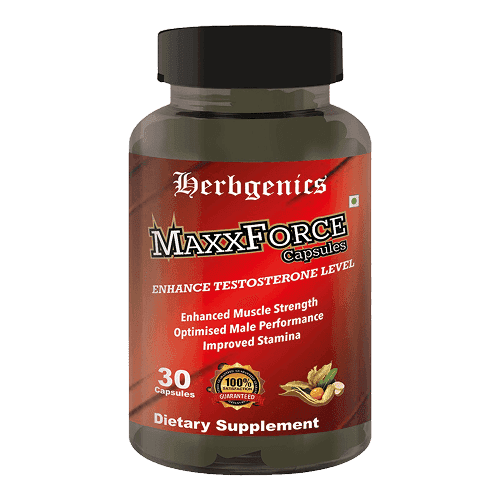
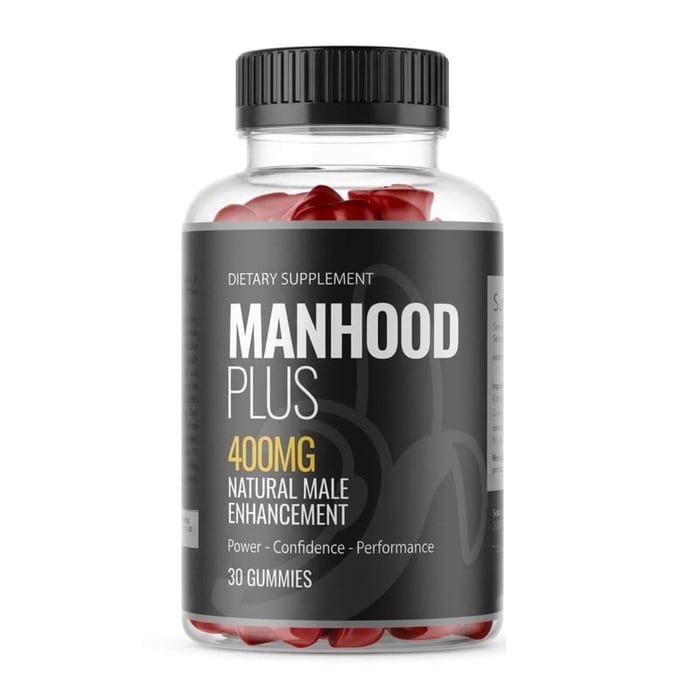
What reliably lowers testosterone
Sleep restriction. Restricting healthy young men to five hours of sleep for one week lowered daytime testosterone by 10–15% in a well-known 2011 JAMA study. Testosterone release is tied to sleep architecture; short or fragmented sleep truncates it.
Visceral adiposity. Abdominal fat expresses aromatase, converting testosterone to oestradiol, and oestradiol suppresses LH. Weight loss in obese men reliably raises testosterone — one of the few interventions with a consistently reproducible effect size.
Chronic stress. Sustained cortisol elevation suppresses GnRH signalling. The effect is real but variable between individuals.
Excess alcohol. Chronic heavy intake damages Leydig cell function and raises SHBG. Moderate intake has a much smaller effect.
Certain medications. Opioids are a strongly underappreciated cause of secondary hypogonadism. Glucocorticoids, some antipsychotics and anabolic steroid use (post-cycle) also suppress production.
Supplements ranked by evidence
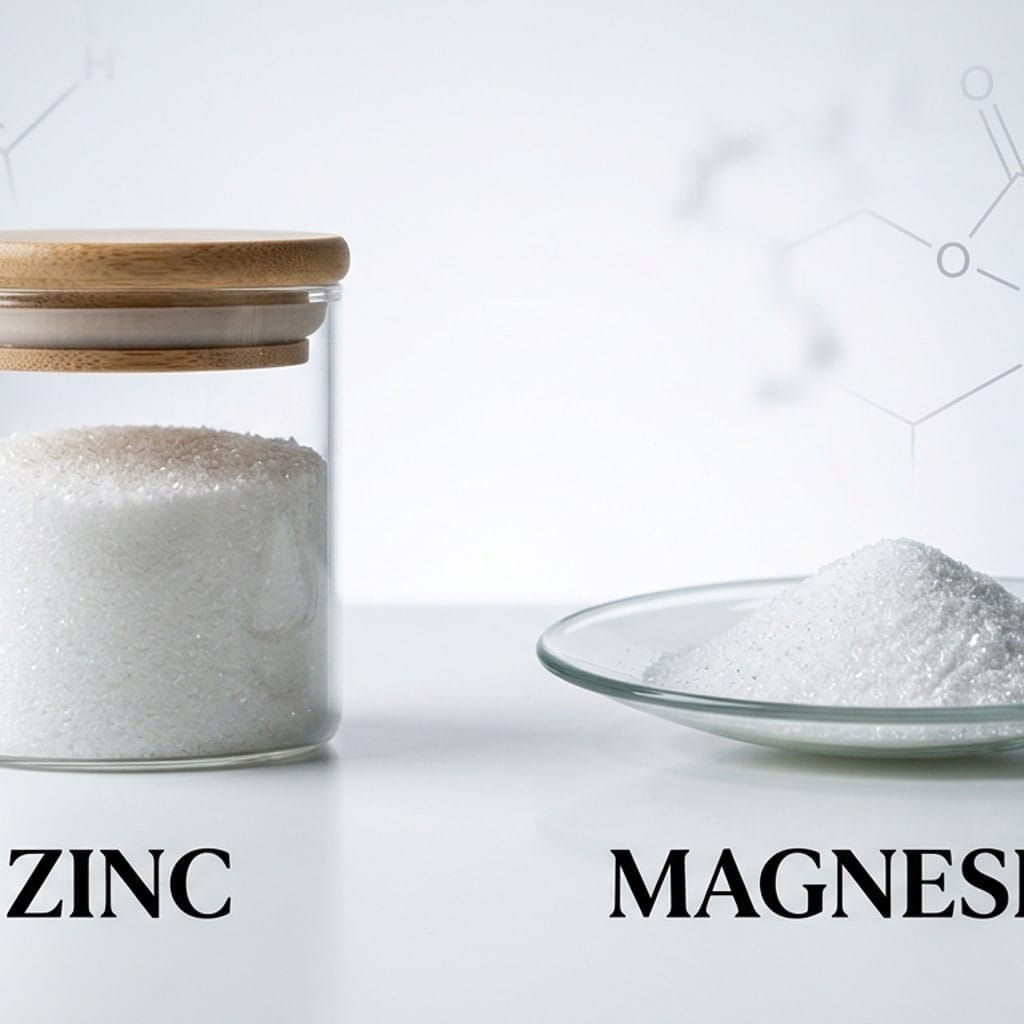
Zinc — strong evidence, but only in deficiency. Zinc is a cofactor in testosterone synthesis and in the enzyme that converts it to DHT. Repletion in deficient men raises testosterone; supplementation in replete men does not. Marginal zinc status is common in men with high sweat losses or low-meat diets.
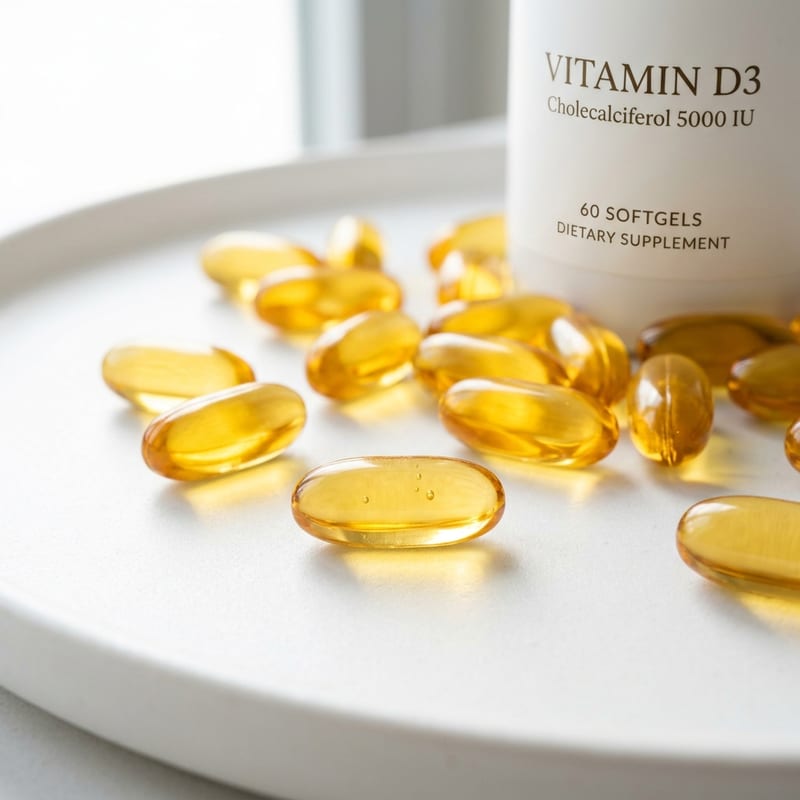
Vitamin D — moderate evidence, again mainly in deficiency. Vitamin D receptors are present in testicular tissue. Trials in deficient men show modest increases; trials in replete men mostly show nothing. Deficiency is very common at northern latitudes in winter.
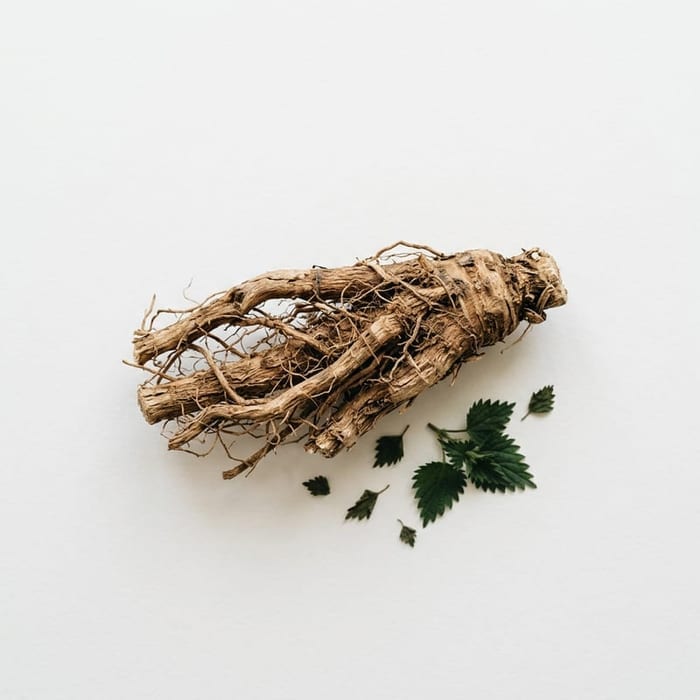
Ashwagandha — moderate evidence. Several small randomised trials report increases of roughly 10–15% in serum testosterone alongside reductions in cortisol, most consistently in stressed or infertile men. Trials are small and mostly from a limited number of research groups, so confidence is moderate, not high.
Magnesium — limited. Some evidence for a small effect on free testosterone, largely in exercising or deficient populations.
Tribulus terrestris — weak/negative. Despite ubiquitous marketing, controlled trials in humans consistently fail to show a hormonal effect. The animal studies that generated the reputation used primates and rodents at doses not comparable to human supplementation.
D-aspartic acid — negative. An early positive study was followed by larger trials showing no effect, and one showing a decrease at higher doses in trained men.
When it is a medical question
Persistent fatigue, low libido, loss of morning erections, mood change, reduced muscle mass and increased body fat together warrant testing — total testosterone, free testosterone, SHBG, LH and prolactin, drawn between 7 and 10 am on two separate occasions. Clinically low testosterone with symptoms is a treatable medical condition, and testosterone replacement therapy is a prescription intervention with real benefits, real risks and mandatory monitoring. It is not something to approach through supplementation.