
The Best Natural Ingredients for Men's Health, Ranked by Evidence
Not a top-ten list. A ranking by the quality of the evidence behind each ingredient — which means some of the best-selling actives finish near the bottom.
How this ranking works
Supplement rankings usually reflect sales, marketing budgets or affiliate commissions. This one reflects the state of the human evidence, sorted into four tiers.
Tier 1 — strong evidence, conditional on status. Randomised trials show a reliable effect, but only in people who are deficient. Tier 2 — moderate evidence. Several human trials, consistent direction, small samples or narrow populations. Tier 3 — limited evidence. Mechanism established in the laboratory, human data thin or absent. Tier 4 — contested or negative. Popular ingredients where good trials failed to confirm the marketed effect.
Tier 1 — Zinc and vitamin D
These two share a pattern that defines the whole category: they work by fixing a deficit, not by enhancing normal function.
Zinc is a cofactor in testosterone synthesis, in 5-alpha reductase, and in LH secretion. Prasad's classic work showed that experimentally induced marginal deficiency in healthy young men lowered testosterone within 20 weeks and that repletion reversed it. Supplementation in men who are already replete has no such effect. Deficiency is more common than assumed — vegetarians, heavy drinkers, older men, those on proton pump inhibitors or diuretics, and men with high sweat losses are all at elevated risk.
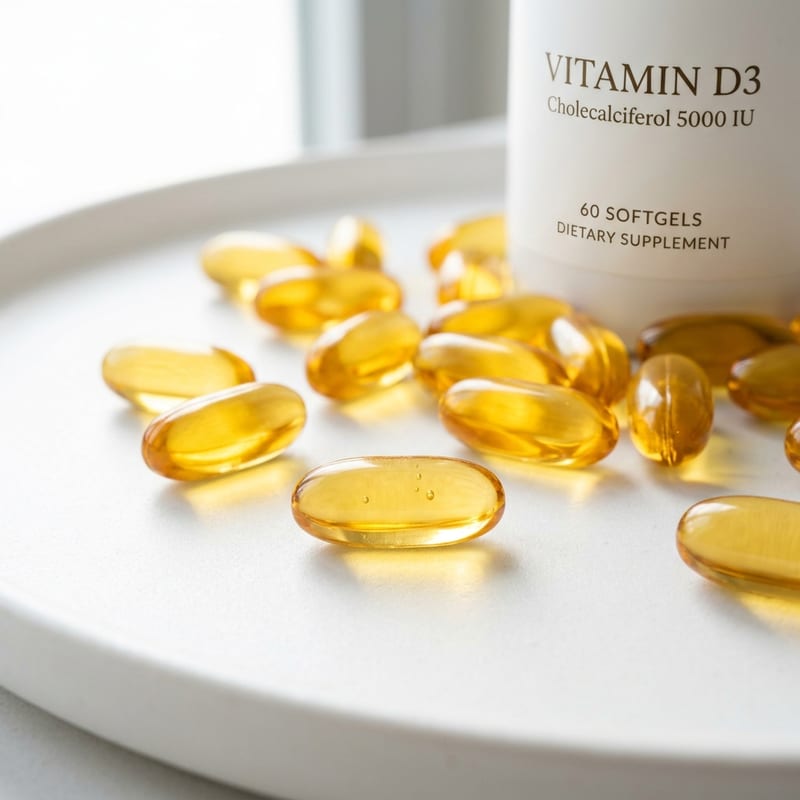
Vitamin D behaves the same way. A year-long randomised trial in overweight, vitamin-D-insufficient men found 3,332 IU daily significantly raised total testosterone versus placebo. Trials in replete men show nothing. Given that winter insufficiency is close to the default state across northern Europe, this is a deficit worth actually testing for.
Practical note: both are cheap, both are testable, and both are worth establishing before spending money on anything in the tiers below.
Tier 2 — Ginseng, ashwagandha, maca, tongkat ali, L-citrulline
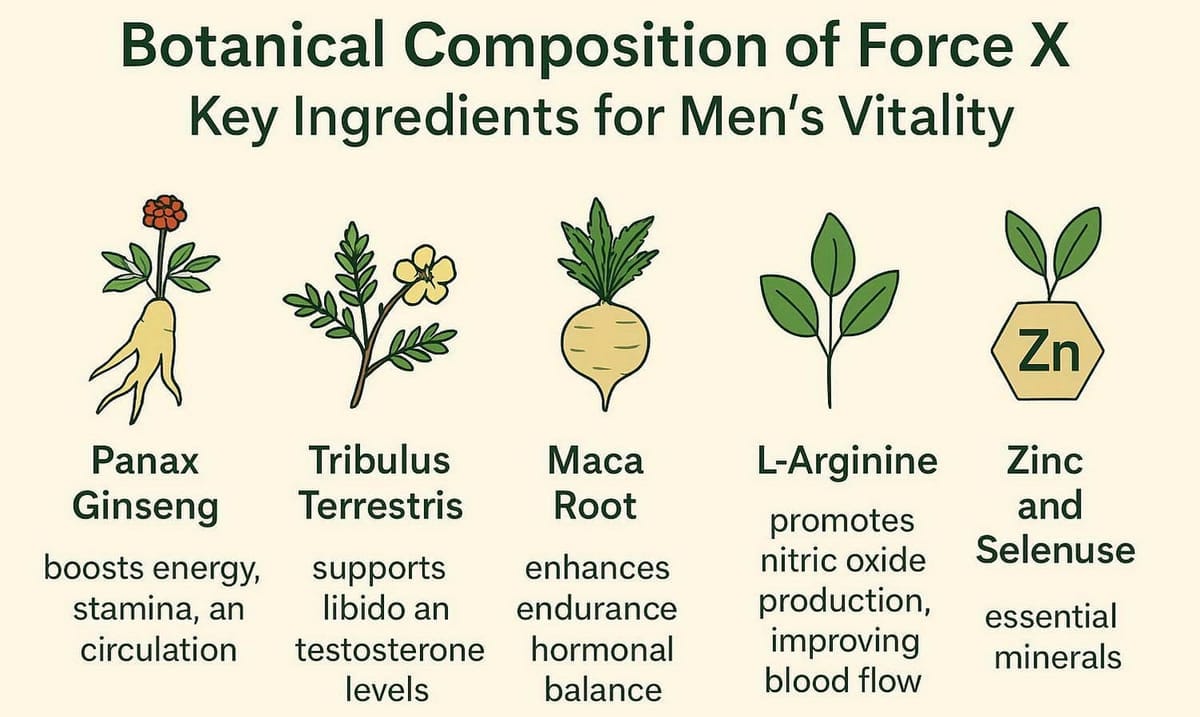
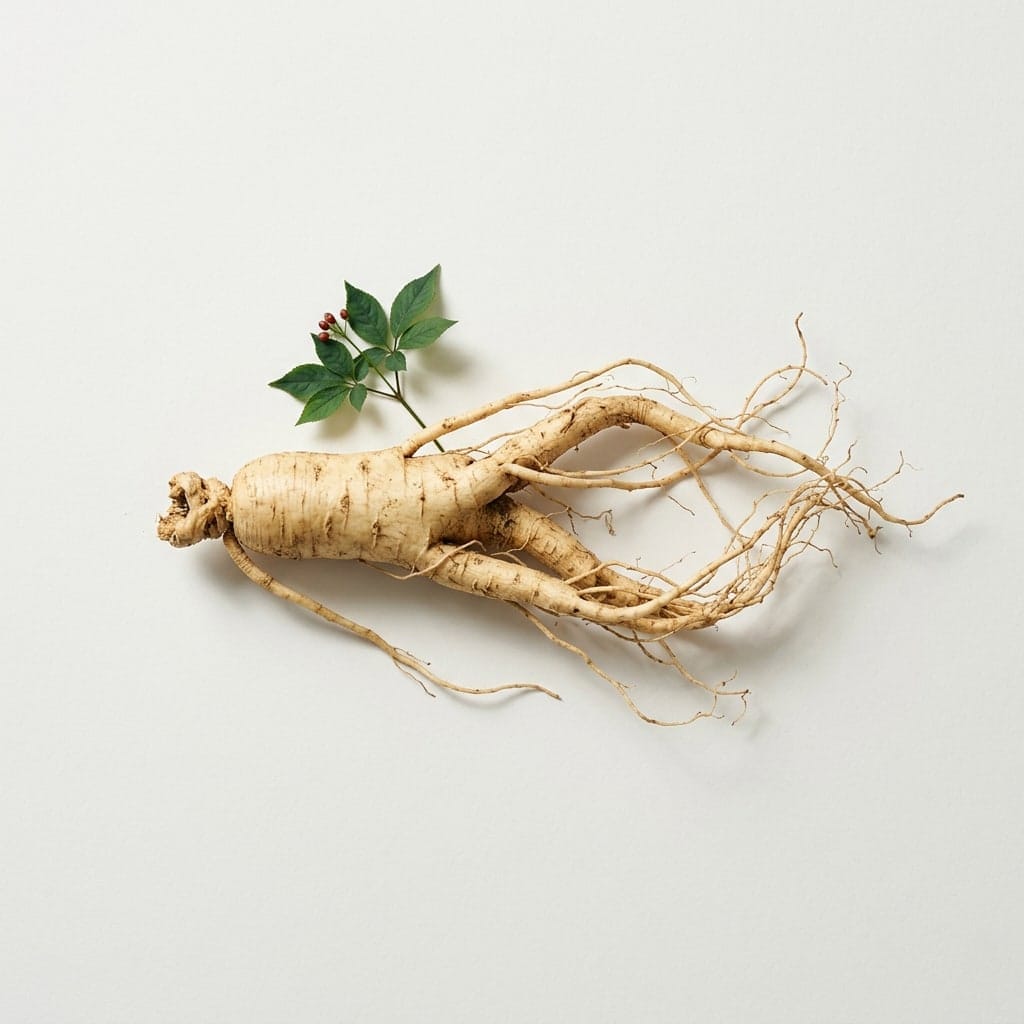
Panax ginseng has the most consistent botanical evidence for erectile function specifically. A meta-analysis in the British Journal of Clinical Pharmacology found red ginseng improved IIEF scores versus placebo across randomised trials, with a plausible nitric-oxide mechanism. The catch is dose: trials used 1.8–3 g daily, against the 100–200 mg typical of multi-ingredient formulas.
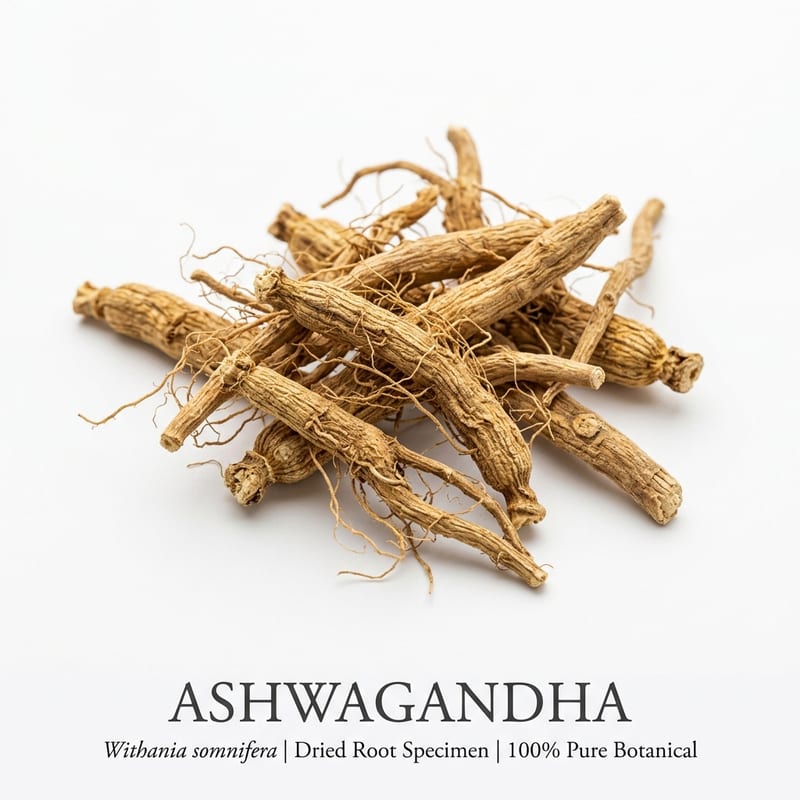
Ashwagandha has the best evidence in the category for cortisol and perceived stress — reductions around 20–30% in several randomised trials — plus a modest testosterone signal in stressed men. Confidence is tempered by small samples and the concentration of positive results among a few research groups.
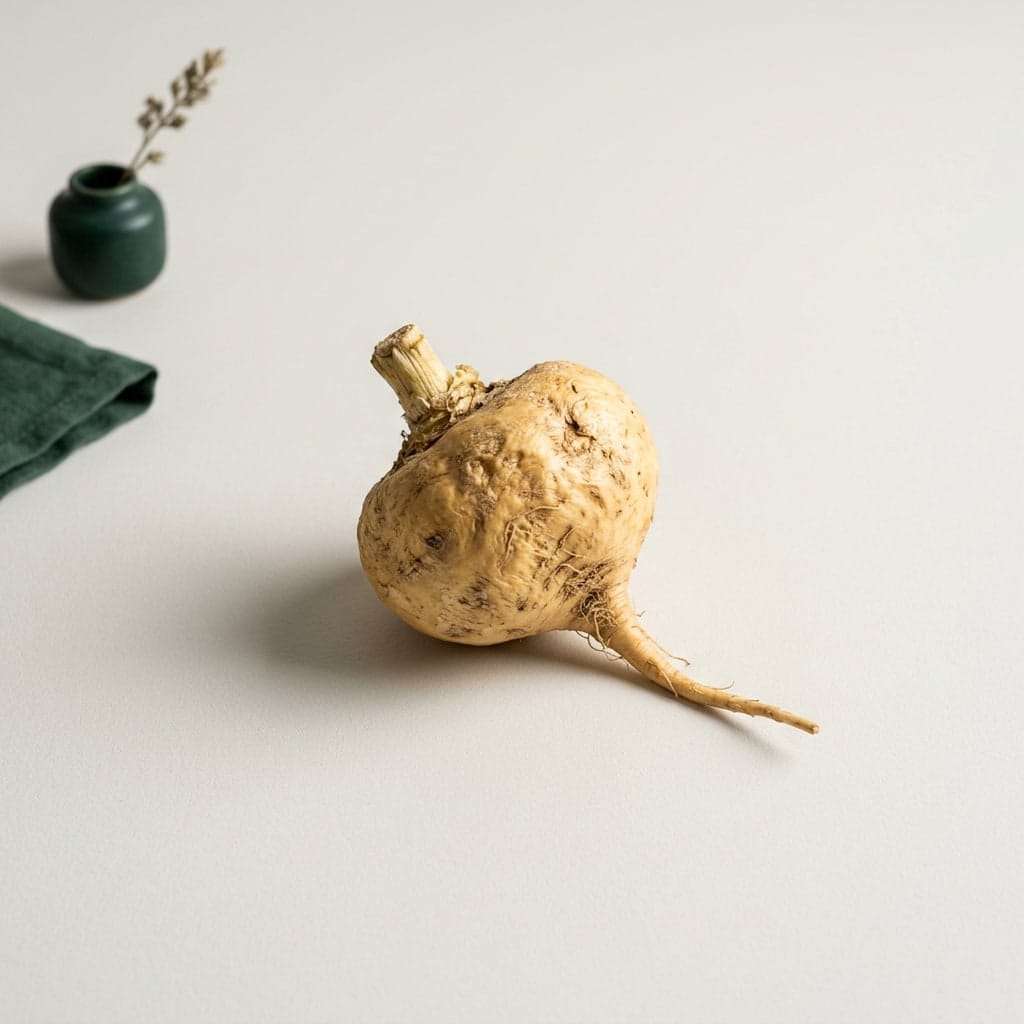
Maca reproducibly improves self-reported sexual desire without changing serum hormones. Unusual, well-replicated, and honest about what it is not.
Tongkat ali shows effects on free testosterone and cortisol in stressed or hypogonadal men at 200 mg daily of a standardised water extract. Contamination is the practical risk: heavy-metal testing is essential here.
L-citrulline deserves its place over L-arginine. Both feed nitric oxide synthesis, but oral arginine is largely destroyed by arginase before reaching circulation while citrulline is not — producing a higher plasma arginine level from a smaller dose.
Tier 3 — Icariin, fenugreek, magnesium
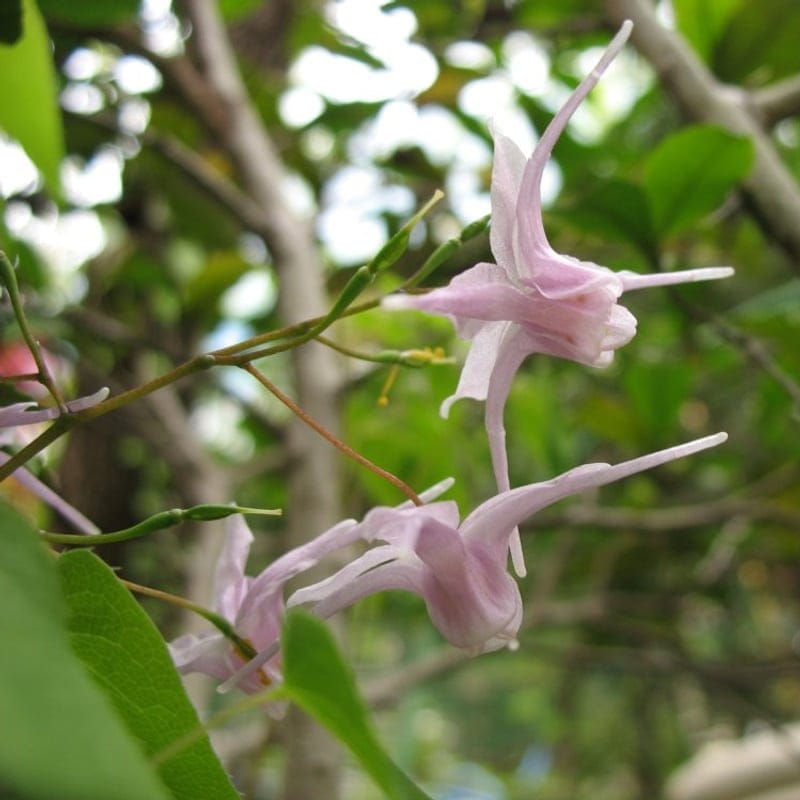
Icariin from epimedium genuinely inhibits PDE-5 in vitro and shows consistent effects in animal models; human trials are still small. A real mechanism, best used as a supporting active inside a declared formula bought through the official channel rather than as the lead ingredient.
Fenugreek has a handful of small trials reporting improvements in libido scores and, less consistently, in testosterone. Sample sizes are small and several trials were manufacturer-funded.
Magnesium has limited evidence for a small effect on free testosterone, mostly in deficient or exercising populations. Its better-supported roles are in sleep quality and muscle function, both of which matter indirectly.
Tier 4 — Tribulus, D-aspartic acid, saw palmetto
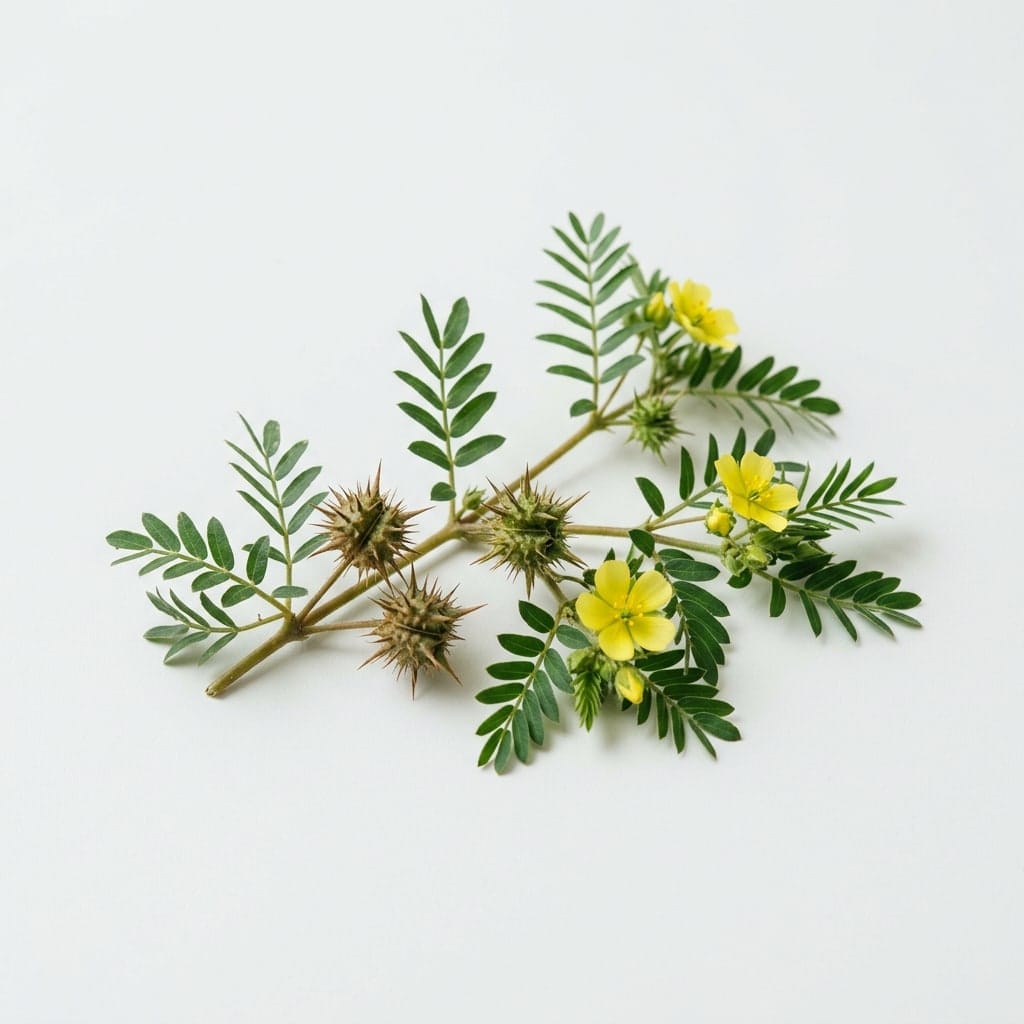
Tribulus terrestris is the most heavily marketed ingredient in this category and the one with the clearest negative record. Controlled trials in elite athletes, in young men at three dose levels, and in resistance-trained men all found no change in testosterone. Systematic reviews agree. There is a weaker signal for subjective libido that may be real and is certainly not hormonal.
D-aspartic acid rose on one small positive study and fell on larger ones — including a trial in resistance-trained men that found a decrease at higher doses.
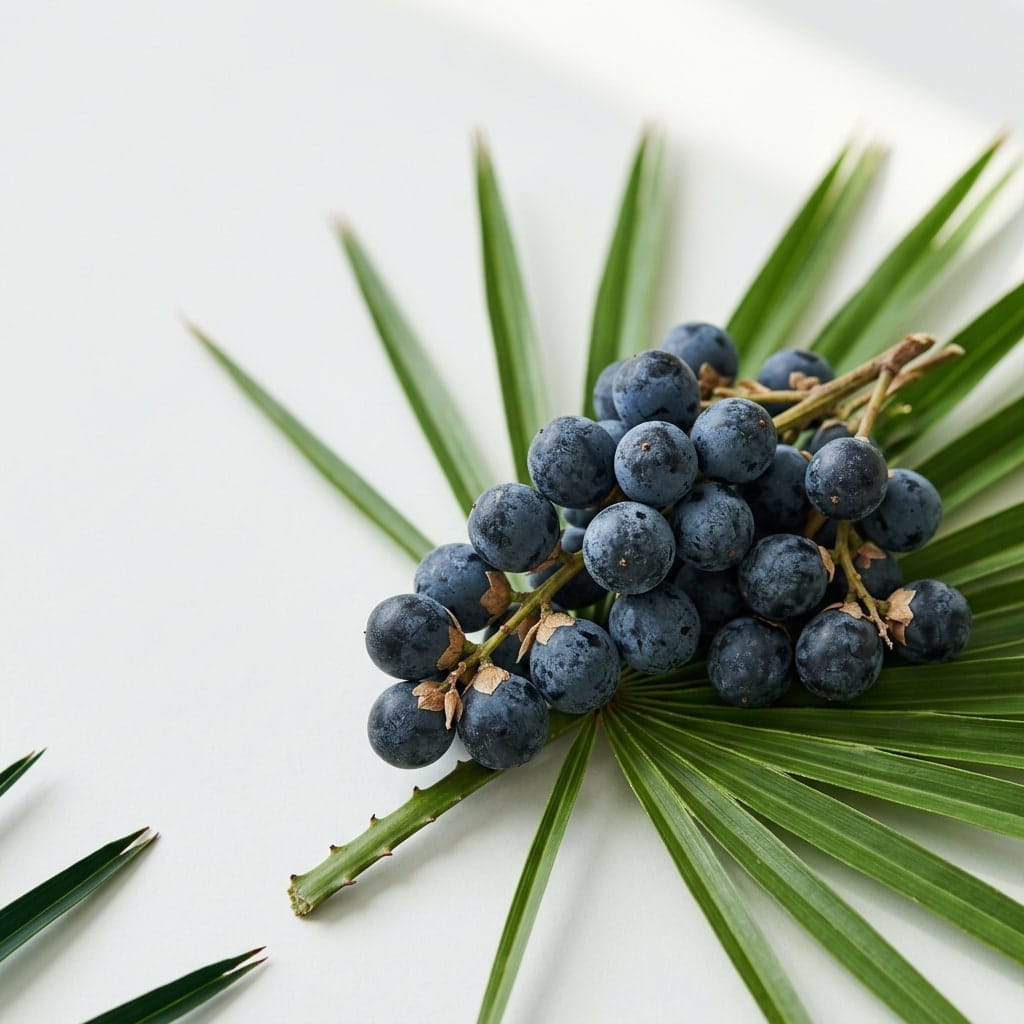
Saw palmetto belongs here for its marketed indication. The STEP (NEJM 2006) and CAMUS (JAMA 2011) trials and the 2012 Cochrane review found no benefit over placebo for BPH symptoms, even at triple dose. Defenders argue extract type explains the discrepancy with earlier European studies; the argument is unresolved and the burden of proof sits with the positive claim.
What this means when you read a label
A formula containing zinc, vitamin D, a properly dosed ginseng extract and L-citrulline is built on the evidence. A formula whose largest component by weight is tribulus, with 100 mg of ginseng and a proprietary blend hiding the rest, is built on recognition.
The gap between the two is not price. It is whether the person who designed the formula was reading the trials or the sales data.
Ingredients referenced in this guide
Frequently asked questions
What is the single best supplement for male vitality?
There is no single answer, because the best one depends on what is actually limiting. If zinc or vitamin D status is low, correcting it does more than anything else on the list. If chronic stress is the driver, ashwagandha has the better evidence. If circulation is the limiter, L-citrulline. Buying before knowing which applies is the most common mistake.
Why is tribulus ranked so low when it is in every product?
Because controlled human trials consistently found no effect on testosterone, while it remains cheap, recognisable and commercially useful. Its ranking here reflects the trial record, not the market share.
Are multi-ingredient formulas worth it?
Only if each active is present at a dose the research used. Most are not — the ginseng example is typical, with formulas supplying a tenth of the trial dose. A short list of properly dosed ingredients beats a long list of trace amounts.