Sexual Health
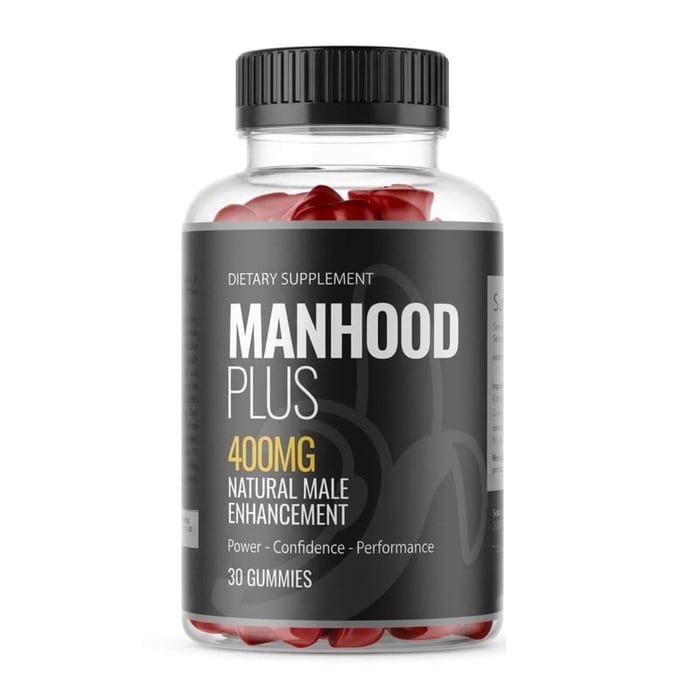
Manhood Plus Gummies
The standard ingredient list in a gummy — compliance up, dose down.
Read the review →Epimedium sagittatum
Limited evidence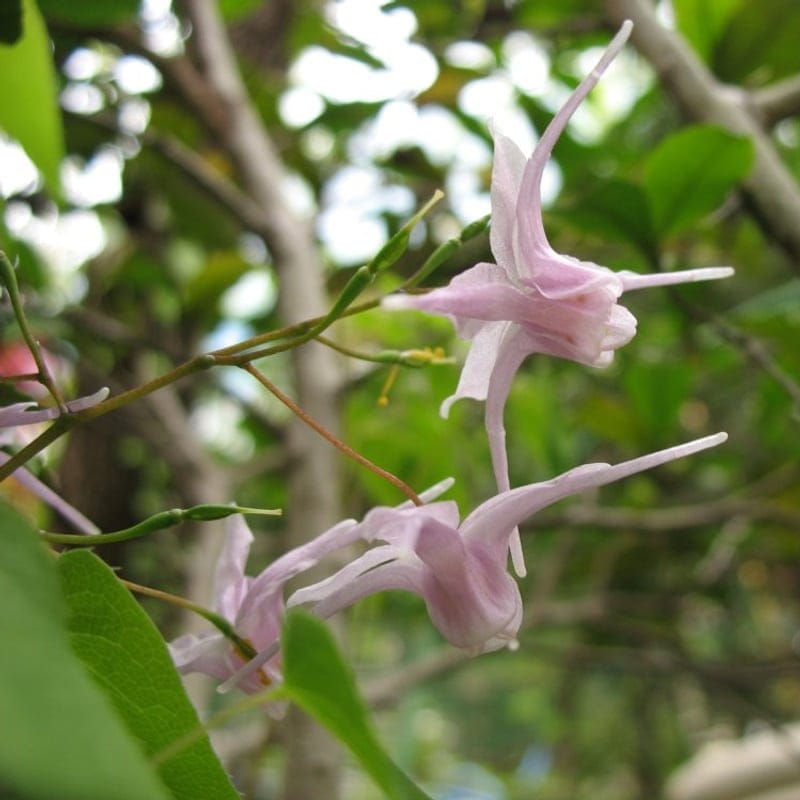
A traditional men's-vitality botanical with a mechanism demonstrated in the laboratory and a human evidence base that is still being built — best used as a supporting active in a declared, official-channel formula.
Relevant to: Sexual Health
Icariin, the principal flavonoid in Epimedium species, inhibits phosphodiesterase type 5 — the enzyme involved in the smooth-muscle relaxation that underlies erectile function. This has been demonstrated repeatedly in cell and tissue preparations, and icariin derivatives have been synthesised specifically to build on that activity.
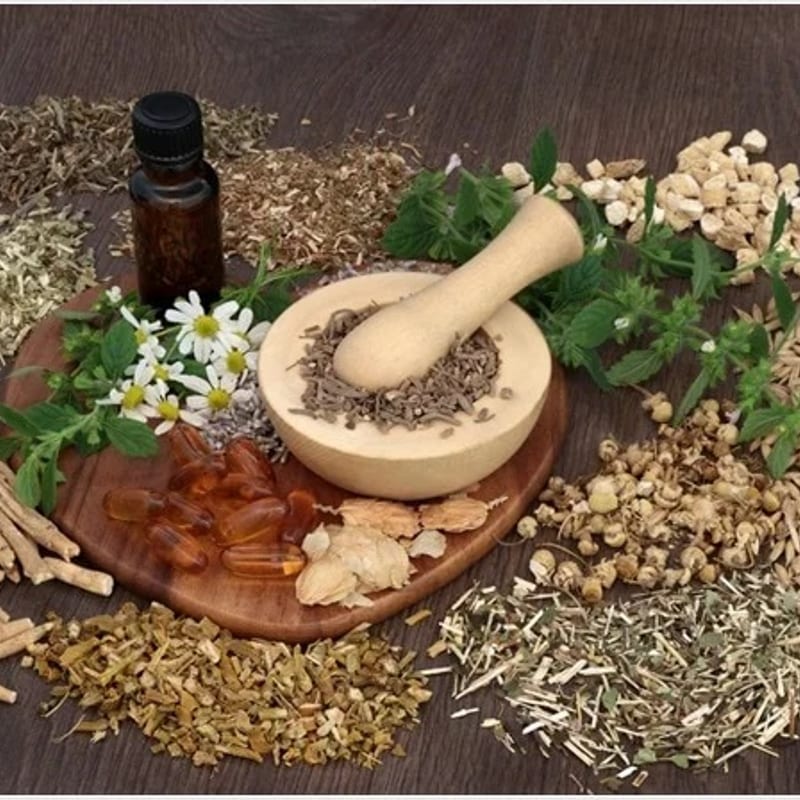
Icariin is a glycoside: it is converted by gut bacteria before absorption, so the extract quality and a steady daily intake matter more than a single large dose. That is why epimedium is typically formulated alongside other actives — maca, ginseng, L-arginine, zinc — rather than on its own.
The human literature is still early. Animal models of erectile function and nerve recovery show consistent effects with icariin, and traditional-use documentation from Chinese medicine spans centuries. Controlled trials in men are small so far, so the ingredient is best read as a supporting active with a plausible mechanism rather than the lead of a formula.
A better-developed literature exists for icariin and bone density in postmenopausal women, where epimedium-derived flavonoids have been studied for bone health in several small trials — useful confirmation that the compound is biologically active in people.
Choose a product with a declared extract on the label and order it through the official channel, where the composition is stated and the batch is traceable. That is the single most effective safeguard in the sexual-health category.
Epimedium may affect bleeding and blood pressure at high intakes. Men on nitrate medication for angina, anticoagulants or antihypertensives should ask a doctor or pharmacist before use — the same rule as for any active in this category. Stay within the dose on the label.
Presence on a label is not the same as presence at a researched dose — check the per-capsule amount.
The standard ingredient list in a gummy — compliance up, dose down.
Read the review →Icariin inhibits PDE-5 in laboratory conditions and shows consistent effects in animal models; human trials are still small. Used daily as part of a declared formula, it is a reasonable supporting active — expect gradual support over weeks, not a drug-like effect.
As a standardised extract inside a multi-ingredient formula, once or twice a day with food, for several weeks. Follow the dose on the label of the product you buy.
Anyone on nitrate medication, anticoagulants or blood-pressure treatment, and anyone with a diagnosed cardiovascular condition. A pharmacist can confirm interactions in a minute.