
Ashwagandha
Withania somnifera
Moderate evidence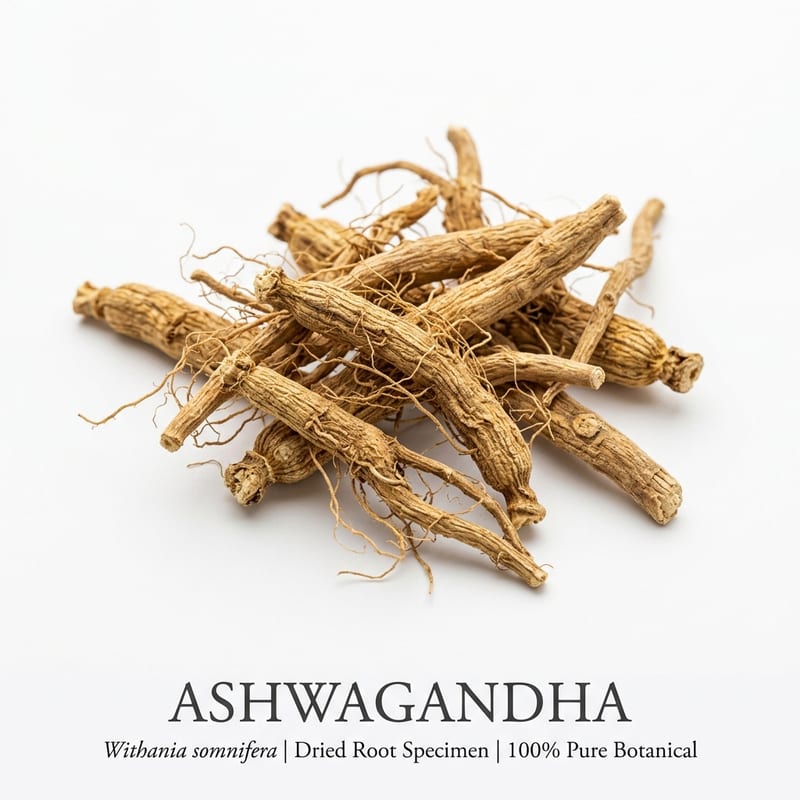
The adaptogen with the most consistent trial record for stress and cortisol, a modest signal for testosterone in stressed men — and a genuine, if rare, liver safety question worth knowing about.
Relevant to: Testosterone · Men's Health · Sexual Health
At a glance
- Active compounds
- Withanolides
- Standardised extracts in trials
- KSM-66, Sensoril
- Trial dose
- 300–600 mg/day standardised extract
- Cortisol effect
- Reductions of ~20–30% in trials
- Safety flag
- Rare idiosyncratic liver injury reports
What an adaptogen actually claims to do
"Adaptogen" is a category term, not a regulated one: it describes plants proposed to increase resistance to physical and psychological stress by modulating the hypothalamic-pituitary-adrenal axis rather than stimulating or sedating directly. Ashwagandha, a nightshade-family shrub used in Ayurvedic medicine for millennia, is the most trial-supported member of the category.
The active class is withanolides — steroidal lactones. Extracts are standardised to withanolide content, typically 2.5% or 5%, and the two extracts used in the majority of quality trials are KSM-66 (a root-only, water-based extract) and Sensoril (root and leaf, higher withanolide percentage, more sedating in practice).
The stress and cortisol evidence
This is where the evidence is best. A frequently cited 2012 randomised, double-blind, placebo-controlled trial in the Indian Journal of Psychological Medicine gave 300 mg of KSM-66 twice daily for 60 days to chronically stressed adults and reported a roughly 28% reduction in serum cortisol alongside significant improvements in perceived stress scores. Multiple subsequent trials have found reductions in the same range, and meta-analyses of anxiety endpoints report a consistent direction of effect.
Sleep is a related and reasonably supported endpoint. Trials report improved sleep onset latency and sleep quality scores, which is consistent with the plant's species name — somnifera, sleep-bearing.
The testosterone evidence, stated carefully
Several small randomised trials report increases in serum testosterone of roughly 10–15% versus placebo, generally in stressed men, overweight men, or men with fertility concerns. A trial in resistance-training men reported greater increases in testosterone and muscle mass than placebo over 8 weeks.
Two caveats are important. First, sample sizes are small — typically 40 to 60 participants. Second, a disproportionate share of the positive trials originate from a limited number of research groups in India, several with links to extract manufacturers. That does not make the findings wrong, but it means confidence should be moderate rather than high, and independent replication in larger samples is still needed.
The plausible mechanism is indirect: cortisol and testosterone have an inverse relationship, so lowering chronic cortisol may permit testosterone to rise. That is a different claim from direct androgenic stimulation.
Safety — including the liver question
Ashwagandha is well tolerated by most people. Common side effects are drowsiness and gastrointestinal upset, both dose-related.
The safety issue that deserves stating plainly: there is a growing body of case reports of idiosyncratic drug-induced liver injury associated with ashwagandha, catalogued in the NIH LiverTox database. Denmark's food authority advised against ashwagandha-containing supplements in 2020, and several other European regulators have reviewed it. The cases are rare relative to the very large number of users, usually present as cholestatic jaundice within 2–12 weeks of starting, and typically resolve after stopping. It is not a reason for panic, but it is a reason to stop immediately and seek medical advice if jaundice, dark urine, pale stools or right-upper-quadrant pain develop.
Ashwagandha should be avoided by people with autoimmune thyroid disease (it can raise thyroid hormone levels), those on thyroid or immunosuppressant medication, those with existing liver disease, and during pregnancy — it has traditional use as an abortifacient at high doses.
Products on this site that declare Ashwagandha
Presence on a label is not the same as presence at a researched dose — check the per-capsule amount.
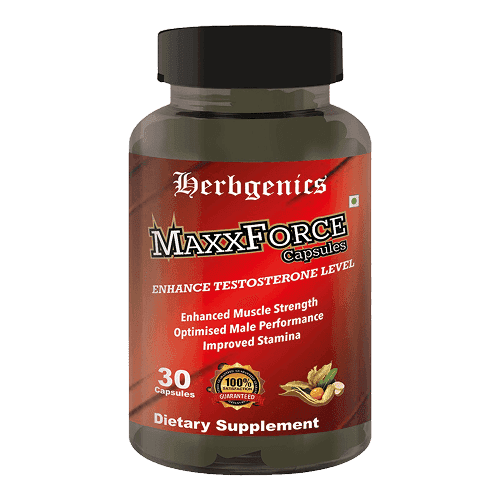
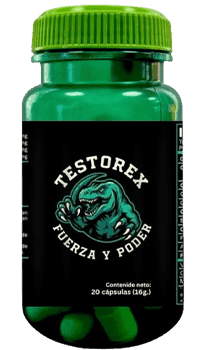
Testorex
Testosterone-support capsules — Guatemala and Spanish-language markets.
Read the review →
PRIME MAN Gummies
Eight named actives in a gummy, sold in Canada — the broadest disclosed formula of its kind here.
Read the review →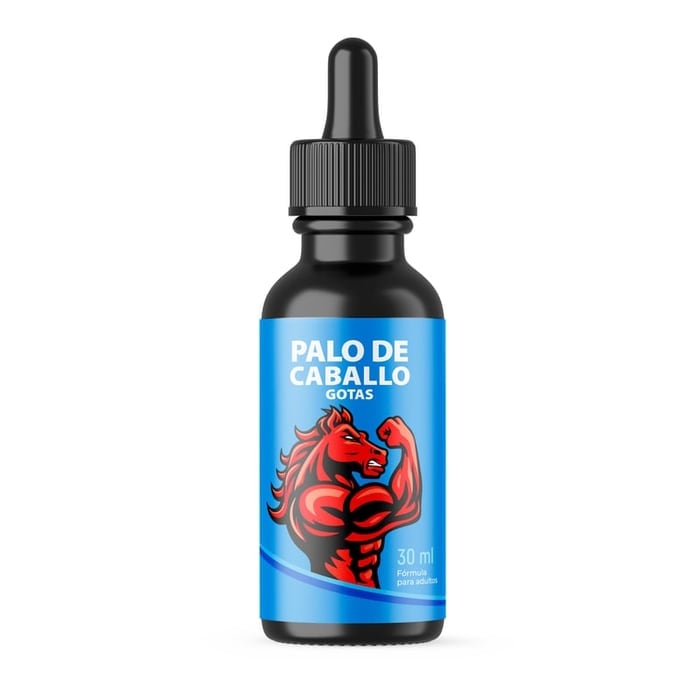
Frequently asked questions
Does ashwagandha raise testosterone?
Small randomised trials report increases of roughly 10–15%, mainly in stressed, overweight or subfertile men. The trials are small and several come from research groups linked to extract manufacturers, so the finding is best treated as moderate-confidence rather than established.
KSM-66 or Sensoril?
KSM-66 is root-only and used in most of the testosterone and strength trials; Sensoril includes leaf material, has a higher withanolide content and tends to be more sedating. KSM-66 for daytime use, Sensoril if sleep is the target.
Is ashwagandha bad for the liver?
Rare cases of idiosyncratic liver injury have been reported and catalogued by the NIH LiverTox database, and Danish authorities advised against it in 2020. The risk appears low relative to usage, but anyone developing jaundice, dark urine or abdominal pain should stop and see a doctor.
How long should it be taken?
Trials typically ran 8 to 12 weeks. Long-term continuous use has not been well studied, so periodic breaks are a reasonable precaution — particularly given the liver reports.