Sexual Health
Force X
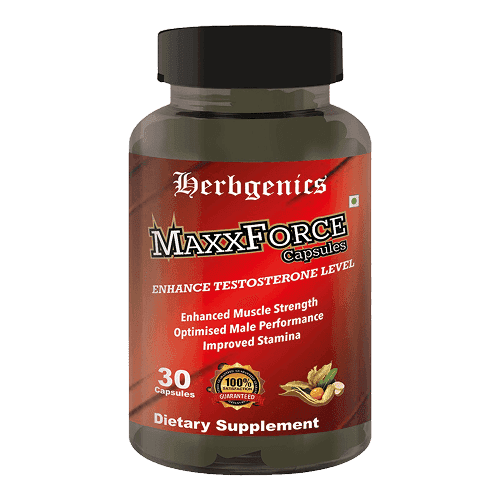
Six-botanical EU formula for male energy, libido and hormonal balance.
Read the review →Essential trace mineral
Strong evidence
One of the few ingredients in this category with strong evidence — with an important qualifier: it raises testosterone in deficient men and does essentially nothing in men who are replete.
Relevant to: Testosterone · Men's Health
Zinc is a cofactor for more than 300 enzymes. Several of them sit directly in the pathways this site is about: it is required for the conversion of cholesterol into testosterone in Leydig cells, it is a cofactor for 5-alpha reductase (the enzyme converting testosterone to DHT), it is required for normal LH secretion from the pituitary, and it is concentrated in prostatic fluid and semen at levels far higher than in blood.
That last point explains a practical detail: zinc is lost in semen, and it is also lost in sweat. Men who train heavily, sweat a lot, or ejaculate frequently have measurably higher requirements than the population reference intake assumes.
The foundational human work is Prasad's research, which showed that experimentally induced marginal zinc deficiency in healthy young men reduced serum testosterone substantially within 20 weeks, and that repletion reversed it. Supplementation in zinc-deficient elderly men roughly doubled testosterone in the same body of work.
This is genuinely strong evidence — for correcting deficiency. It is not evidence that adding zinc to an already-replete man raises testosterone, and trials in zinc-sufficient populations consistently show no such effect. The distinction is the single most misrepresented point in supplement marketing around this mineral.
Deficiency is not rare. It is more common in vegetarians and vegans (phytates in grains and legumes bind zinc and reduce absorption), in heavy drinkers, in people with inflammatory bowel disease or coeliac disease, in older adults, and in men taking long-term diuretics or proton pump inhibitors.
Zinc oxide is the cheapest and the most common in low-cost multivitamins. Its absorption is poor and inconsistent — it requires stomach acid to dissociate and performs badly in older people and those on acid-suppressing medication.
Zinc bisglycinate (chelated to the amino acid glycine), zinc picolinate and zinc citrate all absorb substantially better and are gentler on the stomach. Bisglycinate is generally the best tolerated on an empty stomach.
Zinc gluconate and zinc sulphate sit in between, well absorbed but more likely to cause nausea.
Absorption is inhibited by phytates (whole grains, legumes), by calcium taken at the same time, and by high-dose iron. It is improved by taking zinc with a protein-containing meal.
Zinc and copper compete for the same intestinal transporter. Sustained high-dose zinc supplementation induces metallothionein in gut cells, which preferentially binds copper and blocks its absorption. Chronic zinc intake at 50 mg per day or above can produce copper deficiency, which presents as anaemia unresponsive to iron, neutropenia, and — in severe long-standing cases — neurological damage.
EFSA sets the tolerable upper intake level at 25 mg per day from all sources for long-term use. Doses above this should be time-limited and, if extended, paired with 1–2 mg of copper. "ZMA"-type products commonly supply 30 mg zinc; that is fine short-term and worth reconsidering as a permanent daily habit.
Acute high doses cause nausea and vomiting, which is why zinc should be taken with food if it does not agree with you.
Presence on a label is not the same as presence at a researched dose — check the per-capsule amount.
Six-botanical EU formula for male energy, libido and hormonal balance.
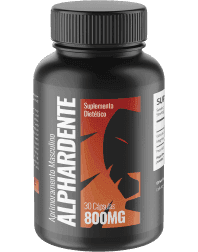
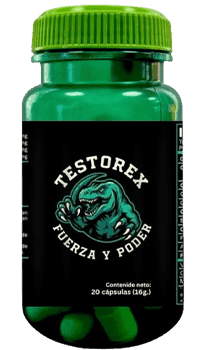
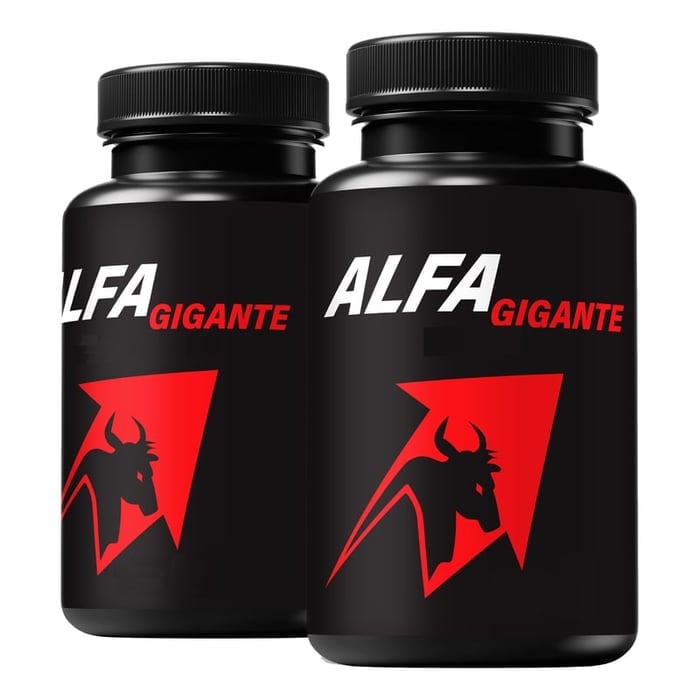
Read the review →Testosterone-support capsules — Guatemala and Spanish-language markets.
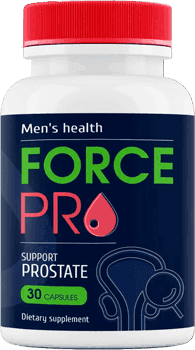
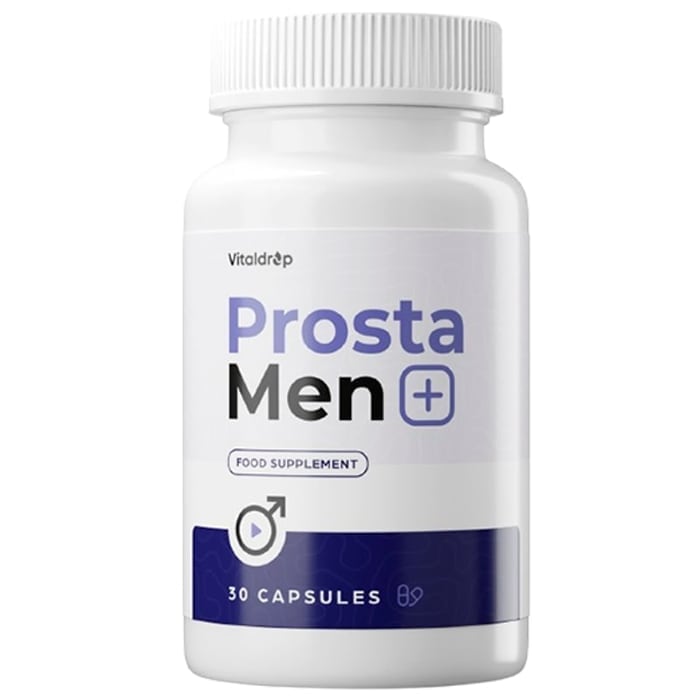
Read the review →Prostate-support capsules reviewed for francophone West Africa.
Read the review →Arginine with zinc and selenium, sold in Poland.
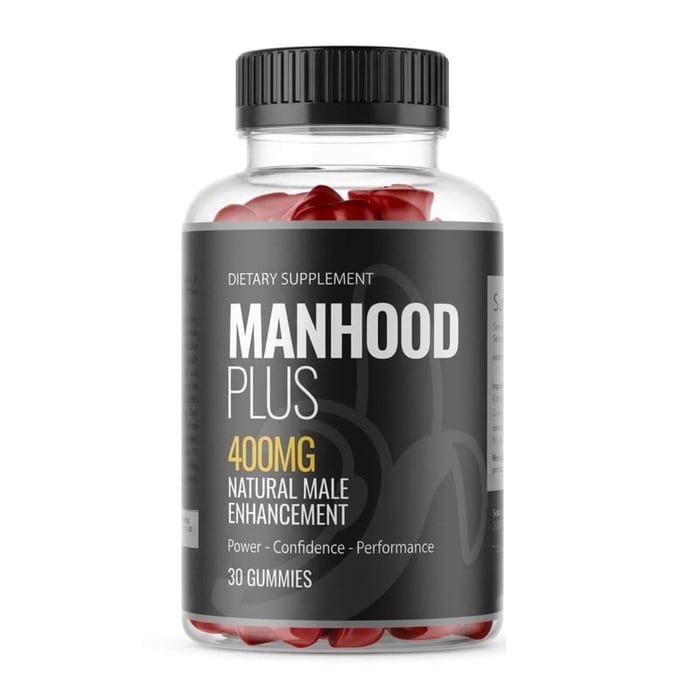
Read the review & alternatives →The standard ingredient list in a gummy — compliance up, dose down.
Read the review →Eight named actives in a gummy, sold in Canada — the broadest disclosed formula of its kind here.
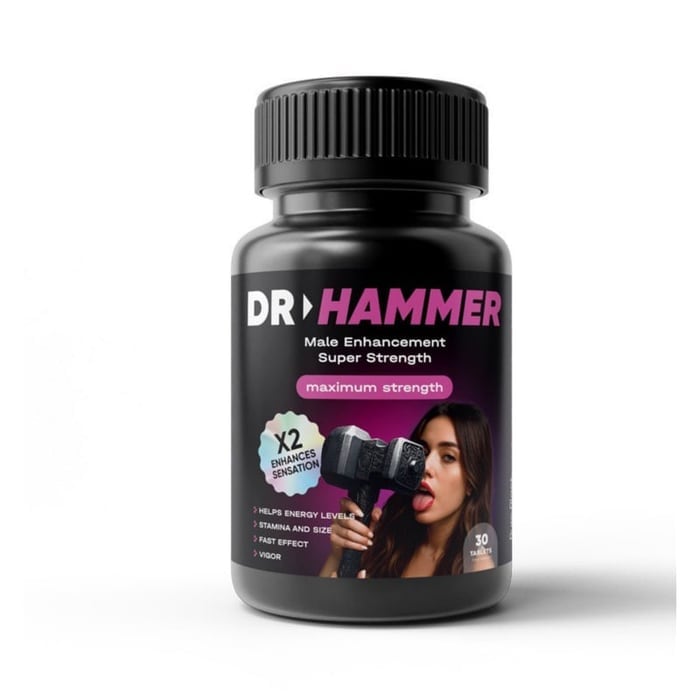
Read the review →Named for the prostate; formulated as a general vitality stack.
Read the review →Actually built on the prostate ingredient set — including its negative trials.
Read the review →If your zinc status is low, very likely — that effect is well documented. If your status is already adequate, the trials say no. Zinc is a cofactor, and once the enzyme systems are saturated, more substrate changes nothing.
Serum zinc is an imperfect but usable test. Risk factors matter more in practice: vegetarian or vegan diet, heavy alcohol use, gastrointestinal disease, long-term proton pump inhibitors or diuretics, older age, and high sweat losses from training.
Bisglycinate, picolinate or citrate. Zinc oxide — the cheapest and most common in budget multivitamins — is poorly and unreliably absorbed, particularly in older people and anyone on acid-suppressing medication.
Up to about 25 mg per day from all sources, yes. Above that, sustained intake blocks copper absorption and can cause copper deficiency anaemia and neutropenia. Long-term high-dose zinc should include supplemental copper.