Sexual Health
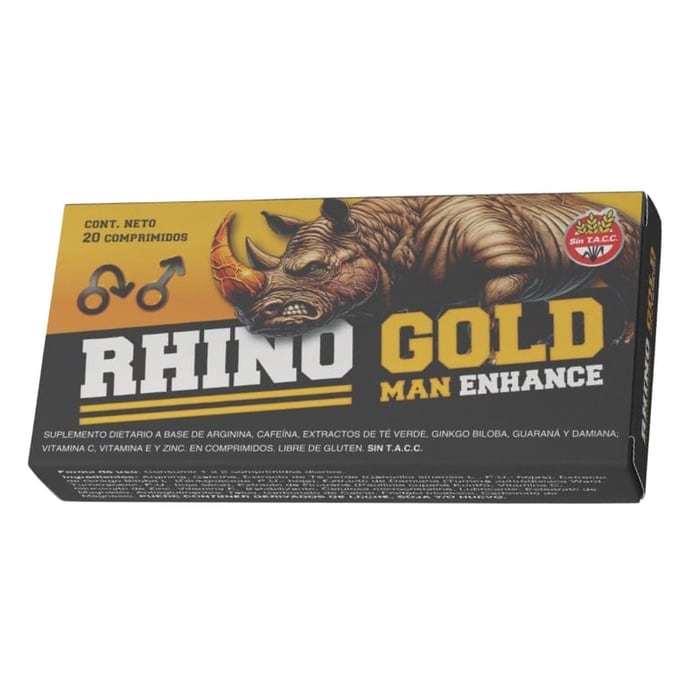
Rhino Gold
Argentine formula in which three of six actives are caffeine sources.
Read the review →Ginkgo biloba L.
Limited evidence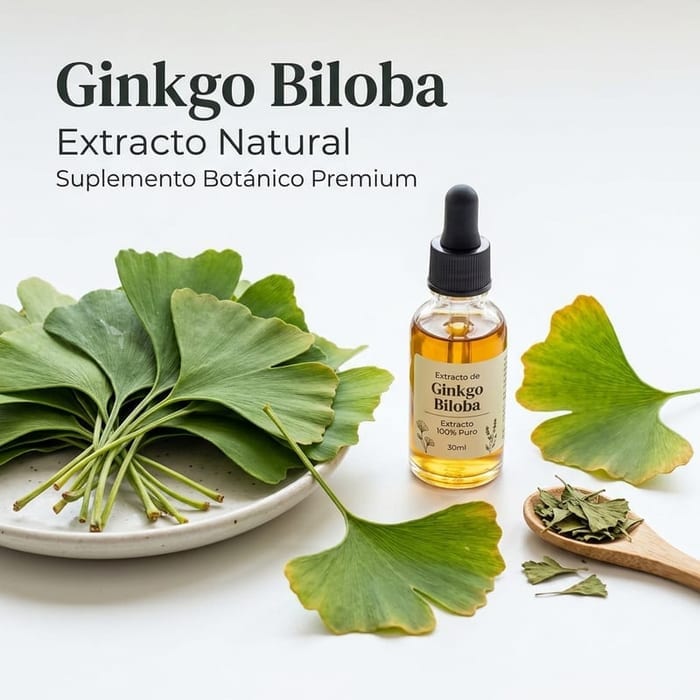
A widely sold circulation botanical whose largest trials were negative — and whose most important property for a reader here is an interaction, not a benefit.
Relevant to: Circulation · Men's Health
Ginkgo leaf extract is one of the most-sold botanicals in the world. The clinically studied preparation is EGb 761, standardised to 24% flavone glycosides and 6% terpene lactones (ginkgolides and bilobalide) — a specification worth looking for, because unstandardised ginkgo leaf varies widely.
Standardisation also matters for safety: ginkgolic acids, present in raw leaf, are allergenic and cytotoxic, and quality extracts limit them to under 5 parts per million.
Cognition and dementia. The Ginkgo Evaluation of Memory (GEM) study — over 3,000 older adults followed for a median of six years, published in JAMA in 2008 — found 120 mg twice daily did not reduce the incidence of dementia or Alzheimer's disease. That is the largest and most rigorous test the ingredient has faced.
Peripheral circulation. A Cochrane review of ginkgo for intermittent claudication found a small increase in pain-free walking distance that the authors judged of questionable clinical significance.
Tinnitus and vertigo. Mixed results across small trials.
Male sexual function. The evidence is thin. Interest originated largely from case reports of improvement in antidepressant-associated sexual dysfunction, and the controlled follow-up did not confirm it.
Ginkgo appears in male formulas mainly on a general "improves circulation" rationale that the trial record supports only weakly.
Ginkgolides inhibit platelet-activating factor, which affects platelet aggregation. There are published case reports of bleeding events — including intracranial haemorrhage — in people combining ginkgo with anticoagulant or antiplatelet medication.
The practical rules: do not combine ginkgo with warfarin, direct oral anticoagulants, aspirin or clopidogrel without medical advice; stop it at least two weeks before scheduled surgery; and avoid it entirely if you have a bleeding disorder. It may also lower the seizure threshold, which is relevant for anyone with epilepsy.
This is the rare ingredient whose interaction profile is more clinically significant than its benefit profile — which is exactly why it belongs in an evidence library rather than being quietly listed on a label.
Presence on a label is not the same as presence at a researched dose — check the per-capsule amount.
Argentine formula in which three of six actives are caffeine sources.
Read the review →The largest trial to test it — GEM, over 3,000 older adults followed for a median six years, published in JAMA in 2008 — found no reduction in dementia or Alzheimer's incidence. Smaller studies are mixed.
Not without medical advice. Ginkgolides affect platelet aggregation and there are published case reports of serious bleeding when ginkgo is combined with anticoagulant or antiplatelet drugs. It should also be stopped two weeks before surgery.
The standardised extract used in most clinical research: 24% flavone glycosides, 6% terpene lactones, with ginkgolic acids limited to under 5 ppm. Unstandardised ginkgo leaf varies widely and can carry higher levels of those allergenic acids.
On a general "improves circulation" rationale. The trial record supports that only weakly — a Cochrane review of walking distance in claudication found a small effect of questionable clinical significance.