Guide
Foods for Men's Health: What the Evidence Actually Supports
Diet outperforms supplementation in this field, and the foods that matter are not exotic. Here is what the trials support, and what the internet repeats without support.
The prostate enlarges in most men from the fourth decade onward. This page explains the mechanism, which symptoms warrant medical assessment, and what the phytotherapy trials actually show.
Benign prostatic hyperplasia (BPH) is a non-cancerous enlargement of the prostate that affects roughly half of men by 60 and around 80% by 80. It is driven principally by dihydrotestosterone (DHT), produced from testosterone by the enzyme 5-alpha reductase within prostate tissue. As the gland grows it compresses the urethra, producing the cluster of lower urinary tract symptoms (LUTS) that define the condition.
BPH is not prostate cancer and does not become prostate cancer. The two are separate conditions that can coexist, which is exactly why urinary symptoms should be assessed by a doctor rather than self-managed.
Typical BPH symptoms are storage-related (urinary frequency, urgency, waking at night to urinate) and voiding-related (weak or interrupted stream, hesitancy, straining, a sense of incomplete emptying). Severity is usually scored with the IPSS questionnaire.
Symptoms that require prompt medical attention rather than watchful waiting: blood in the urine, complete inability to urinate, fever with urinary symptoms, unexplained weight loss, or bone pain. These are not typical BPH and need investigation.
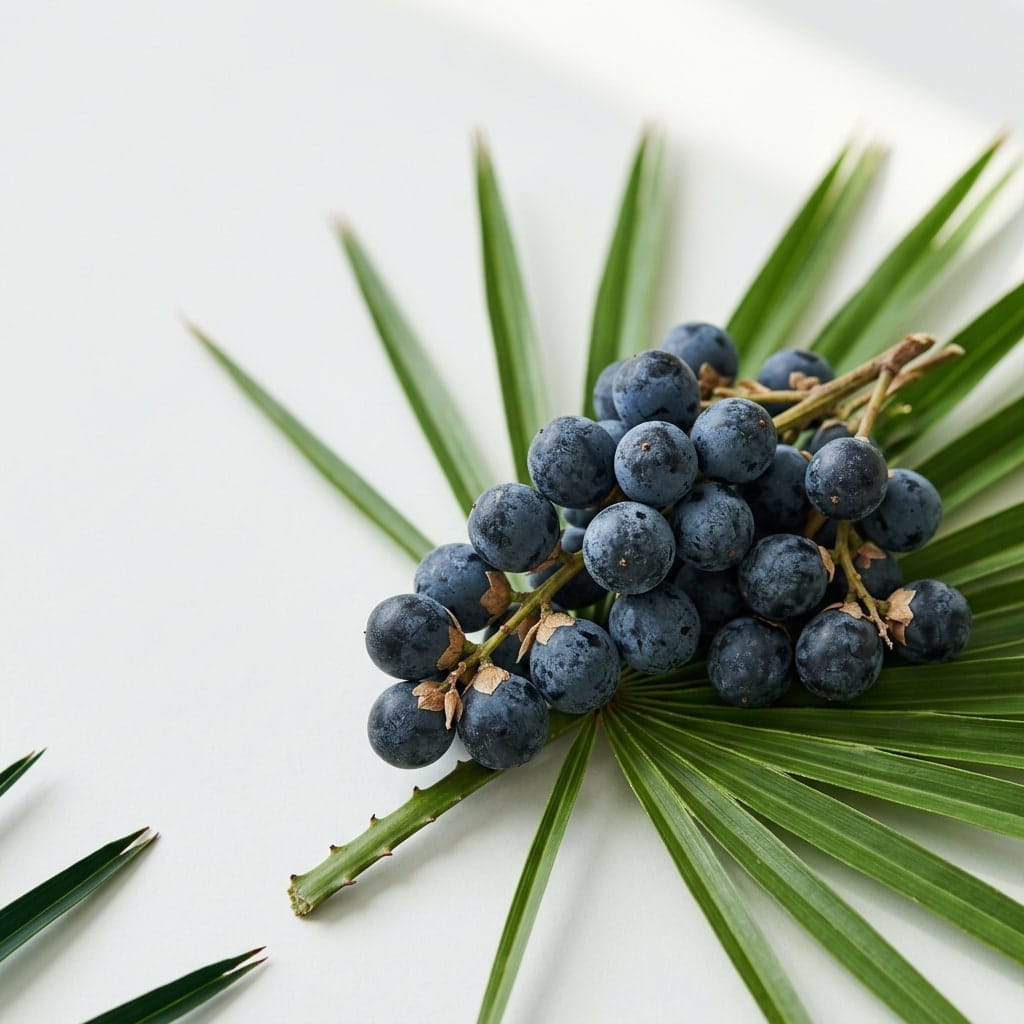
Saw palmetto (Serenoa repens) is the most studied botanical in this category. The evidence is genuinely mixed and worth stating honestly: earlier meta-analyses reported symptom improvement, but the large, well-controlled STEP and CAMUS trials (NEJM 2006, JAMA 2011) found no significant benefit over placebo even at escalating doses. A 2012 Cochrane review concluded saw palmetto does not improve urinary symptoms compared with placebo. Some researchers argue the null trials used a hexane extract with different pharmacokinetics from the lipidosterolic extracts used in positive European studies — the debate is unresolved.
Beta-sitosterol, a plant sterol found in saw palmetto and other sources, has its own smaller trial base showing improvement in urinary flow and symptom scores. A Cochrane review rated the evidence as showing symptom improvement without change in prostate size.
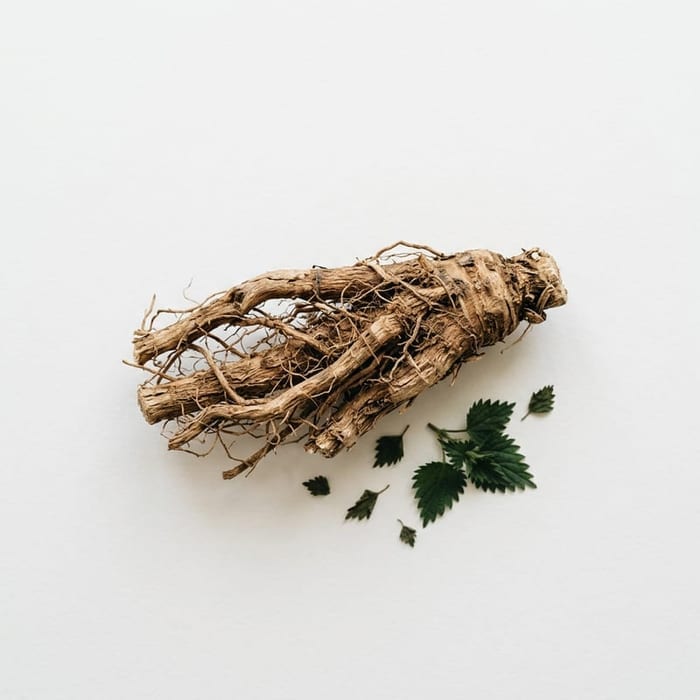
Pygeum africanum and stinging nettle root have supportive but smaller and older evidence bases. Lycopene, pumpkin seed oil and zinc appear frequently in prostate formulas with limited controlled evidence for symptom relief.
Prostate supplements are heavily marketed on claims the trial data does not support. The defensible position is this: saw palmetto and beta-sitosterol are well-tolerated, have a plausible mechanism, and some men report symptom improvement — but the strongest evidence does not show them outperforming placebo for BPH symptoms. Prescription alpha blockers and 5-alpha reductase inhibitors do have robust efficacy data. A man with a moderate or high IPSS score should be having that conversation with a urologist, not choosing between capsules.
Mechanism, human trial results, dose and safety — with the evidence tier stated up front.
Diet outperforms supplementation in this field, and the foods that matter are not exotic. Here is what the trials support, and what the internet repeats without support.
Listed for comparison. Inclusion is not a recommendation.
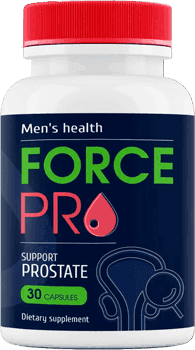
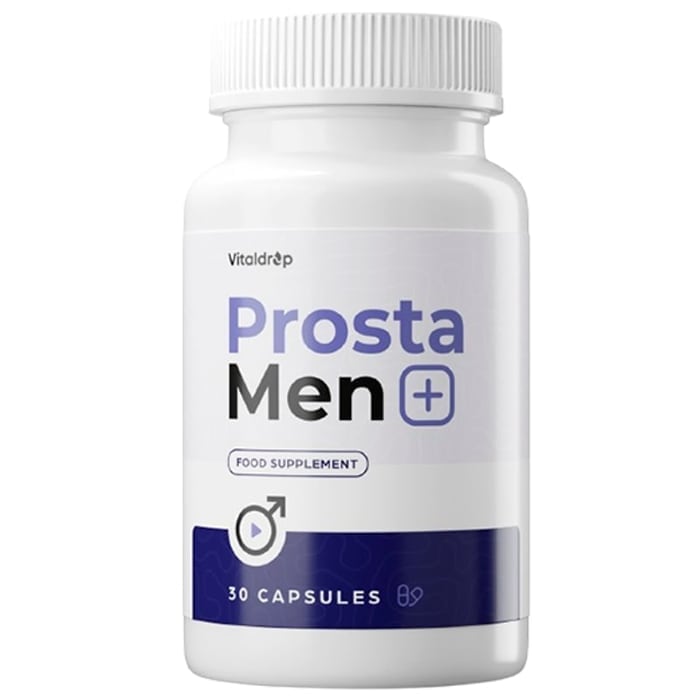
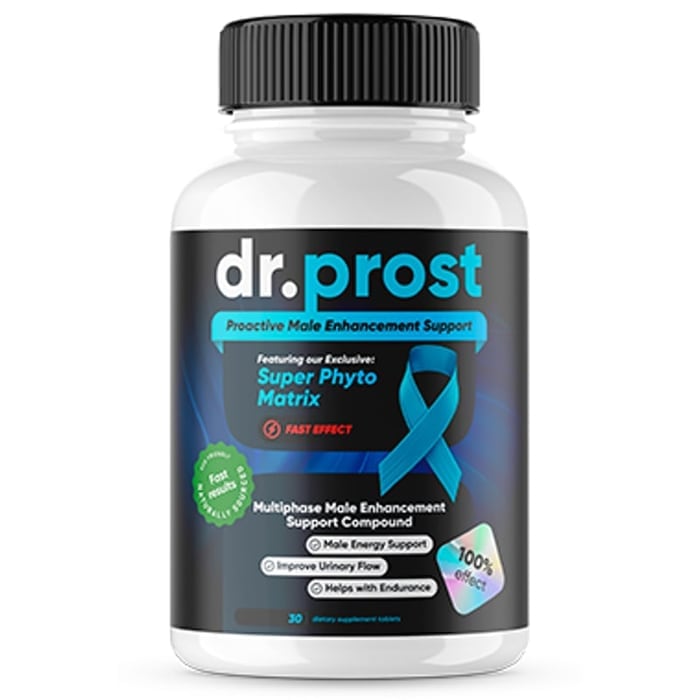
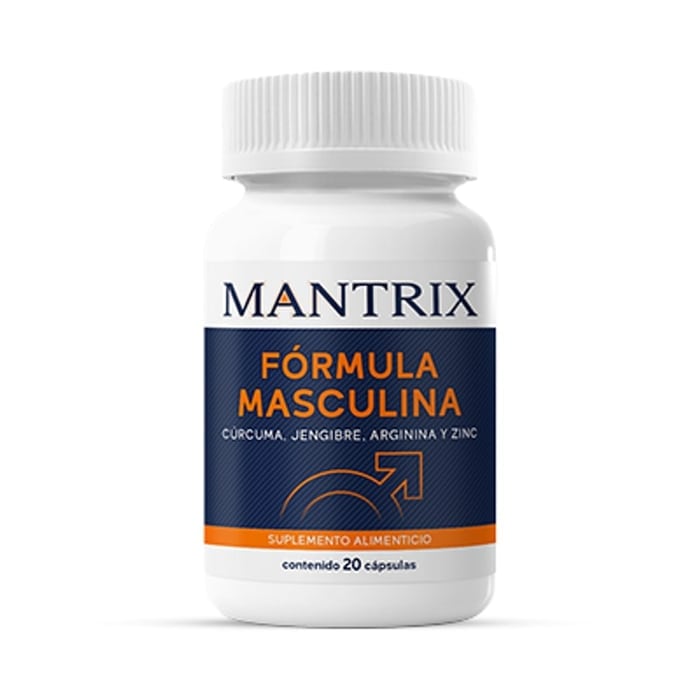
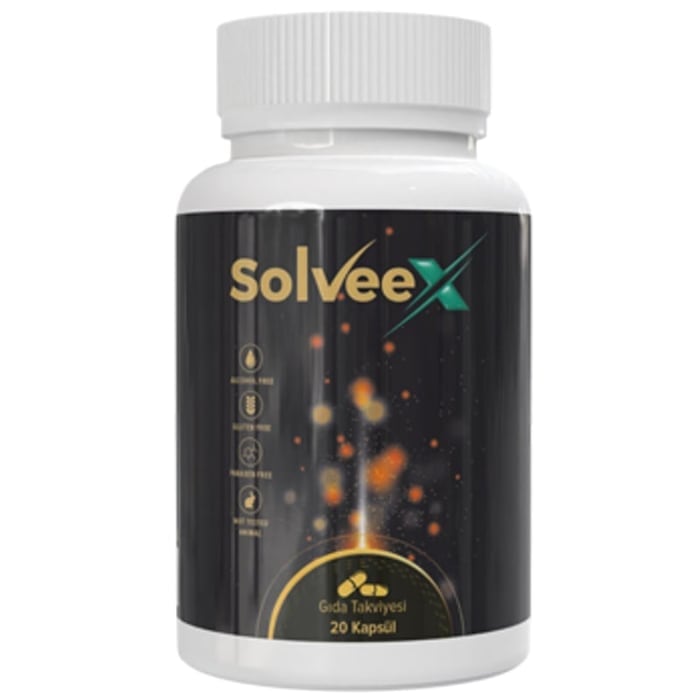
Prostate-support capsules reviewed for francophone West Africa.
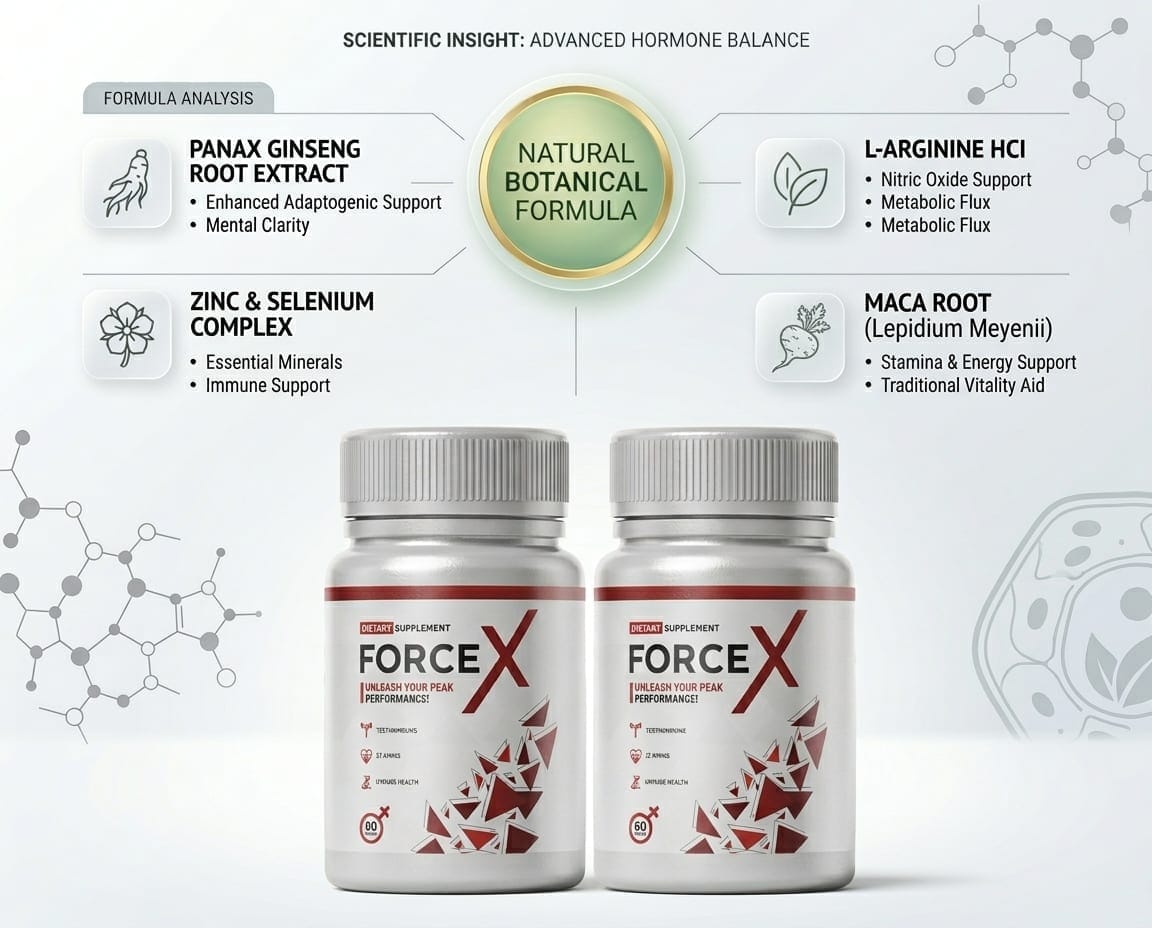
Read the review →Named for the prostate; formulated as a general vitality stack.
Read the review →Actually built on the prostate ingredient set — including its negative trials.
Read the review →Marketed around prostatitis — a diagnosis, not a supplement category.
Read the review →No. BPH is a benign condition and does not progress into cancer. They can occur in the same man because both become more common with age, which is precisely why urinary symptoms should be assessed medically rather than assumed benign.
The best-quality evidence says no more than placebo. The large STEP and CAMUS randomised trials and the 2012 Cochrane review found no significant symptom benefit. Some European studies of specific lipidosterolic extracts reported positive results, and the discrepancy is still debated. It is well tolerated, but it should not be presented as an established treatment.
Finasteride and dutasteride roughly halve PSA, which matters for cancer screening interpretation. Saw palmetto has not been shown to meaningfully lower PSA in controlled studies. Always tell the clinician ordering a PSA test what you are taking.
Yes, modestly. Reducing evening fluid intake, limiting caffeine and alcohol, treating constipation, regular physical activity and maintaining a healthy weight all have evidence for reducing LUTS severity, and they carry no downside.