Sexual Health
Force X
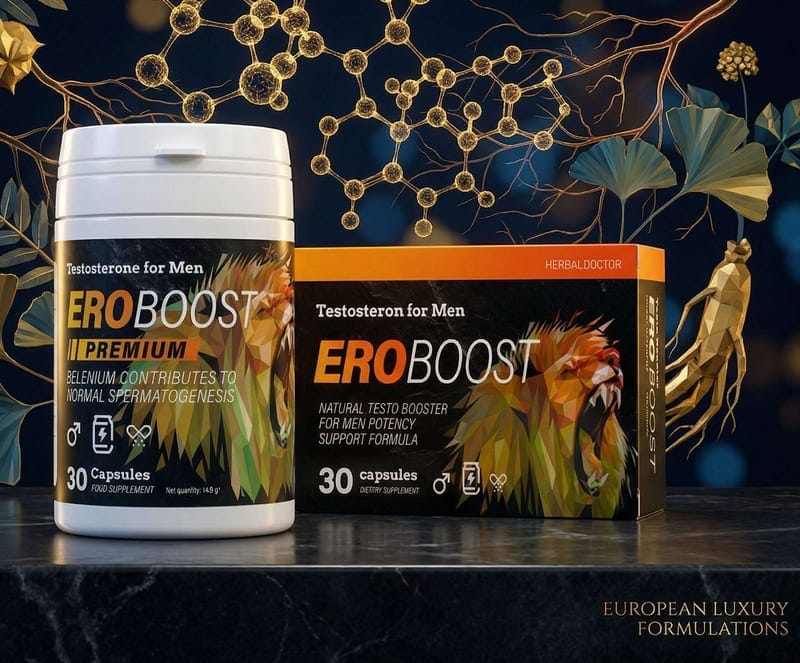
Six-botanical EU formula for male energy, libido and hormonal balance.
Read the review →Lepidium meyenii
Moderate evidence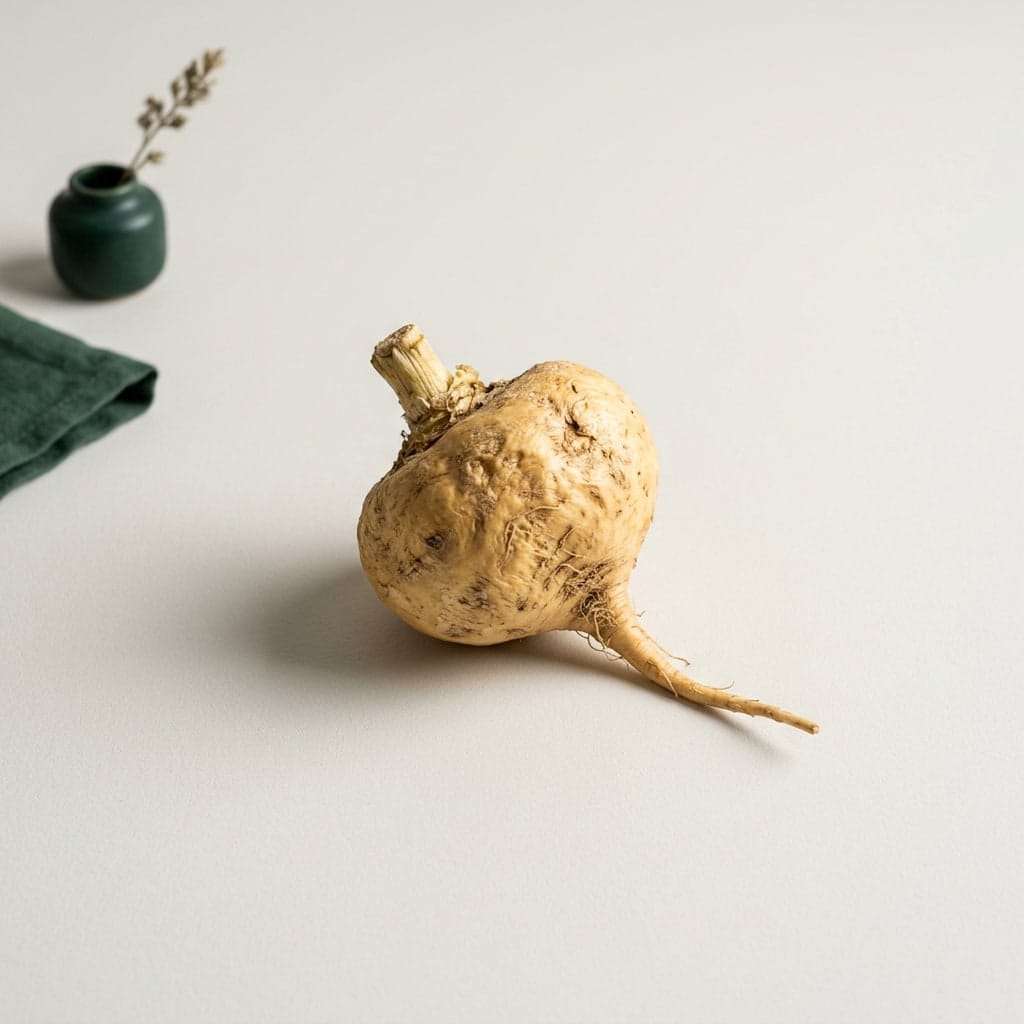
An Andean root with reproducible trial evidence for improved self-reported sexual desire — and, unusually, no measurable effect on serum testosterone or oestrogen. Its mechanism is endocrine-independent.
Relevant to: Sexual Health · Men's Health
Maca is a cruciferous root vegetable — a relative of radish and mustard — cultivated above 4,000 metres in the Peruvian Andes, where few other crops survive. It has been used as food and as a traditional fertility and stamina remedy in the region for centuries. Commercially it is sold as dried root powder, as gelatinised powder (heat-treated to remove starch and improve digestibility), or as a concentrated extract.
Colour matters more than most labels admit. Yellow maca is the most common and the most studied; red maca has been examined specifically in prostate models; black maca shows the most consistent results in sperm-parameter and endurance studies. A product that does not state the phenotype is likely a mixed commodity powder.
Most ingredients marketed for male vitality are sold on a hormonal story. Maca is the rare case where the trials consistently show a behavioural effect without a hormonal one. A 2002 randomised trial in Andrologia found improved self-reported sexual desire at 8 and 12 weeks with no change in serum testosterone, oestradiol, LH, FSH or prolactin. Later studies replicated this pattern.
That leaves a central rather than endocrine mechanism as the plausible explanation. Macamides — the fatty acid amides that give maca its distinctive chemical signature — are structurally similar to endocannabinoids and inhibit fatty acid amide hydrolase (FAAH), the enzyme that degrades anandamide. There is also evidence of effects on dopaminergic and serotonergic signalling in animal models. None of this is settled, and the honest summary is that the effect is reproducible while the mechanism is not fully characterised.
Sexual desire. A 2010 systematic review in BMC Complementary and Alternative Medicine pooled four randomised trials and found evidence for improved sexual desire after 6 weeks, while noting that trials were small and of limited methodological quality. Effect sizes are modest.
SSRI-associated sexual dysfunction. A small randomised trial at Massachusetts General Hospital found 3 g/day of maca improved sexual function scores in patients with antidepressant-induced dysfunction, with a stronger signal at the higher dose. This remains one of the more clinically interesting findings in the maca literature.
Sperm parameters. Several small studies report increases in sperm concentration and motility in healthy men, though sample sizes are too small for confident conclusions.
Menopausal symptoms and mood. Trials in postmenopausal women report reductions in anxiety and depression scores, which supports the central-mechanism hypothesis rather than a male-hormone-specific one.
Trials that found an effect used 1.5–3 g per day of dried root powder, taken continuously for at least 6 weeks. Capsule products often contain 500 mg per capsule, meaning a meaningful dose is 3–6 capsules — which is a useful check against products supplying 250 mg and implying that is sufficient.
Extracts labelled as concentrated (for example 4:1 or 10:1) can achieve the equivalent at a lower weight, but only if the ratio is stated. Gelatinised maca is easier to digest for people who find the raw powder causes bloating, and it is the standard form in Peru.
Maca is consumed as a food staple in its native region and has a good safety record at supplemental doses. Reported side effects are mild and mostly gastrointestinal — bloating and gas, more common with raw than gelatinised powder. Because it is a cruciferous plant containing glucosinolates, people with thyroid conditions should be aware of the theoretical goitrogenic potential, particularly with high intakes of raw powder and low iodine status; cooking or gelatinisation reduces this.
There are no well-documented drug interactions. As with any supplement, it should be disclosed to a prescriber, and it is not appropriate for use during pregnancy without medical advice.
Presence on a label is not the same as presence at a researched dose — check the per-capsule amount.
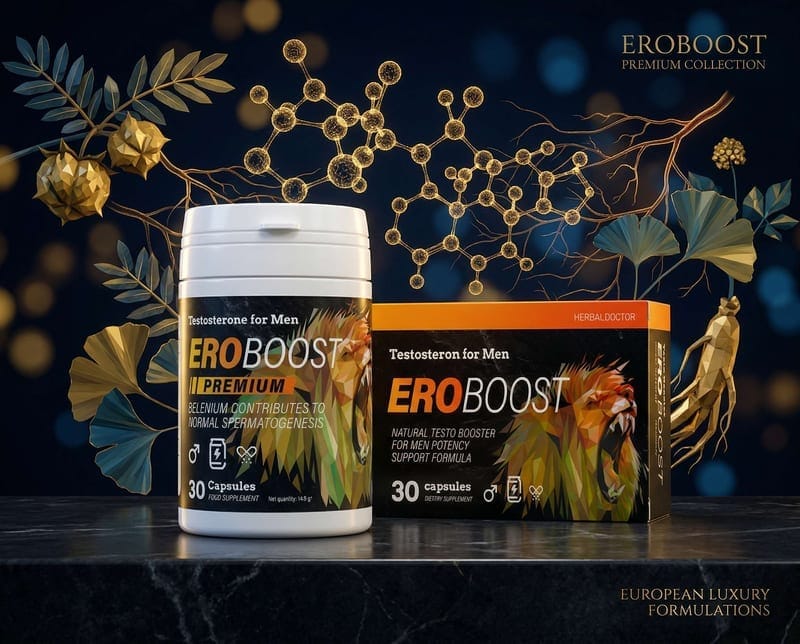
Six-botanical EU formula for male energy, libido and hormonal balance.
Read the review →The Portuguese edition of the EroBoost botanical formula.
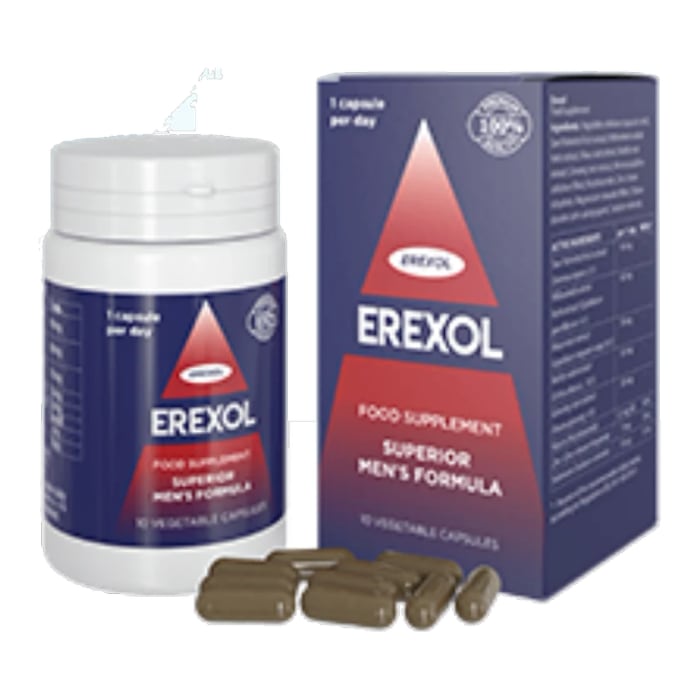
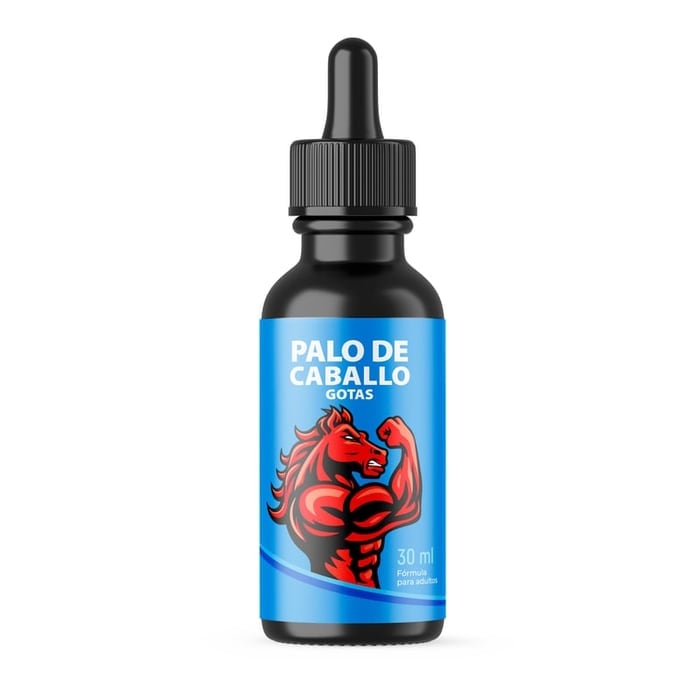
Read the review →Male vitality capsules — one a day, four declared plant extracts.
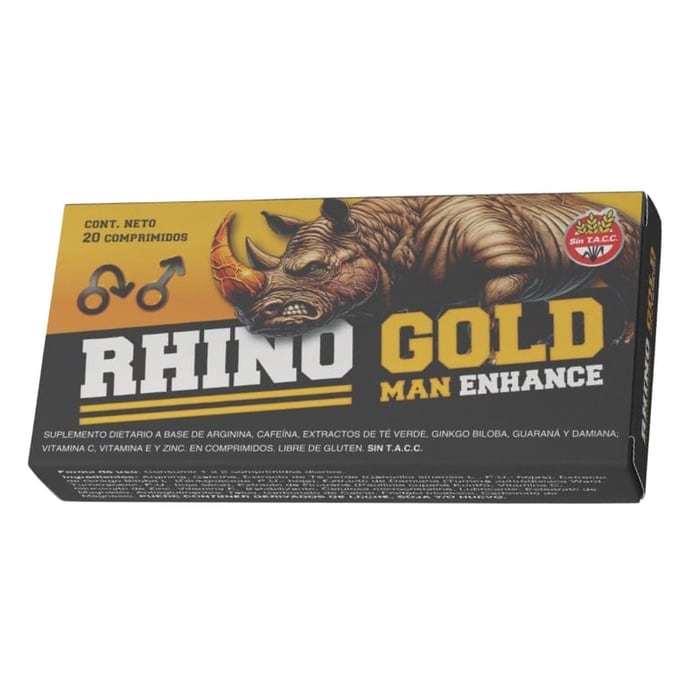
Read the review →Argentine formula in which three of six actives are caffeine sources.
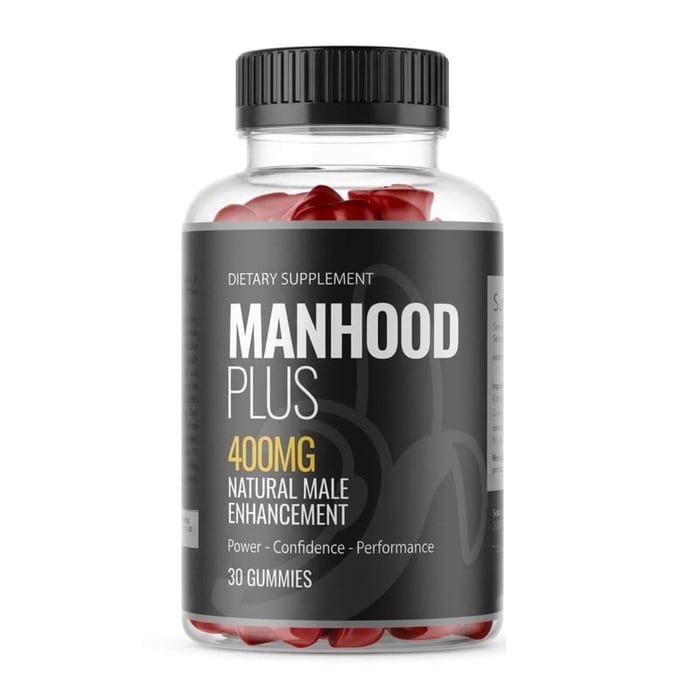
Read the review →The standard ingredient list in a gummy — compliance up, dose down.
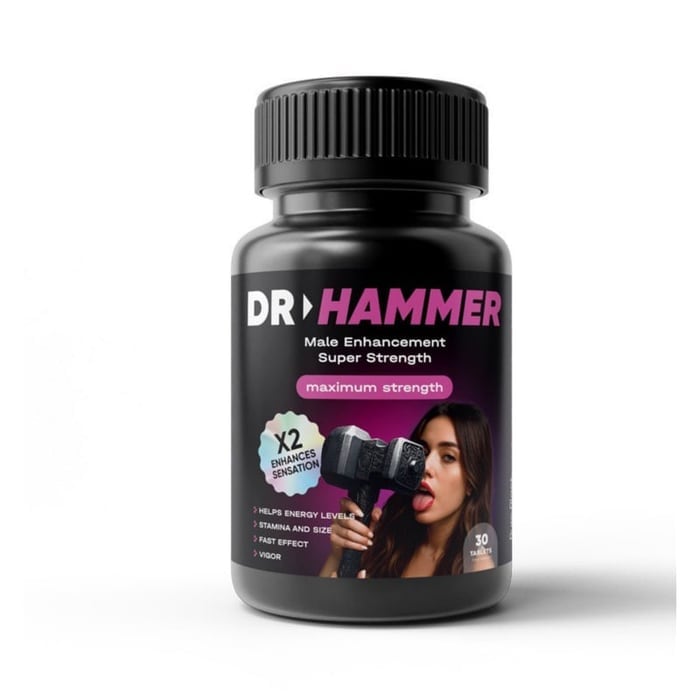
Read the review →Eight named actives in a gummy, sold in Canada — the broadest disclosed formula of its kind here.
Read the review →No. Multiple controlled trials measured serum testosterone, oestradiol, LH and FSH before and after maca supplementation and found no change, even when sexual desire scores improved. Any product claiming maca is a testosterone booster is misrepresenting the research.
Trials that found effects on sexual desire measured them at 6 to 12 weeks of continuous daily use. It is not an acute-effect ingredient, and a few days of use tells you nothing.
It depends on the goal. Black maca has the most supportive data for sperm parameters and endurance, red maca has been studied in prostate models, and yellow is the most common and the most generally studied. Products that do not state the phenotype are usually mixed commodity powder.
A small randomised trial specifically examined maca in patients with SSRI-associated sexual dysfunction and reported improvement. That said, combining any supplement with psychiatric medication is a decision for the prescribing doctor, not a self-directed one.