Guide
Foods for Men's Health: What the Evidence Actually Supports
Diet outperforms supplementation in this field, and the foods that matter are not exotic. Here is what the trials support, and what the internet repeats without support.
For men, the relevant number is not weight but where the fat sits. Visceral fat is metabolically active tissue that directly suppresses testosterone — and it responds to specific, unglamorous interventions.
Subcutaneous fat under the skin is largely inert storage. Visceral fat, packed around the abdominal organs, behaves like an endocrine organ: it secretes inflammatory cytokines, drives insulin resistance, and expresses aromatase, the enzyme that converts testosterone into oestradiol. This is the mechanism linking abdominal obesity to low testosterone, and it runs in both directions — low testosterone promotes visceral fat accumulation, which lowers testosterone further.
Waist circumference predicts metabolic risk better than BMI in men. A waist above 94 cm indicates increased risk and above 102 cm substantially increased risk, according to standard European guidance.
An energy deficit, sustained. Every successful approach — low carbohydrate, high protein, intermittent fasting, Mediterranean — works to the extent that it makes a deficit easier for a given person to maintain. Trials comparing diet compositions at matched calories consistently find small differences in outcome and large differences in adherence.
Protein intake of roughly 1.6 g per kg body weight preserves lean mass in a deficit and increases satiety — the single most useful dietary lever.
Resistance training preserves muscle during weight loss, which protects resting metabolic rate. Cardio burns more calories per session; resistance training protects the tissue that determines what you burn the rest of the time.
Sleep. Sleep restriction shifts weight loss away from fat and towards lean tissue, raises ghrelin and lowers leptin. In one controlled trial, the same calorie deficit produced 55% less fat loss under restricted sleep.
Very little, honestly. Caffeine raises energy expenditure by 3–5% and improves training output — a genuine but small effect, with tolerance developing. Green tea catechins show a small effect in meta-analyses, on the order of 1–2 kg over 12 weeks, with wide confidence intervals. Fibre supplements such as glucomannan work through satiety rather than metabolism.
Garcinia cambogia, raspberry ketones, CLA and most "fat burner" blends have either failed in controlled trials or never been properly tested at the doses used. The category is also the one most frequently associated with undeclared pharmaceutical adulterants — sibutramine, withdrawn from European markets in 2010 for cardiovascular risk, still turns up in seized products.
Weight loss in overweight men reliably raises testosterone — one of the few reproducible large effects in this whole field. Trials of substantial weight loss in obese men report increases in total testosterone of several nmol/L, with the magnitude proportional to the amount of visceral fat lost. No supplement in the men's health category has produced an effect of comparable size.
Diet outperforms supplementation in this field, and the foods that matter are not exotic. Here is what the trials support, and what the internet repeats without support.
Every intervention on this page has a larger documented effect on male physiology than anything sold in a capsule. None of them is for sale, which is precisely why they get less attention.
Listed for comparison. Inclusion is not a recommendation.
A brand covering several different formulas, not one product.
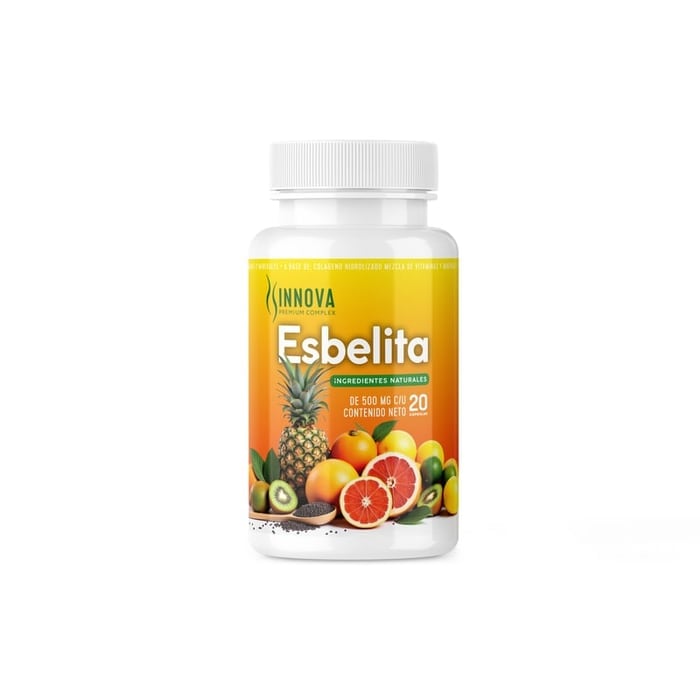
Read the review →African mango, apple cider vinegar and flax fibre for the LATAM market.
Read the review →Yes, and it is one of the most reliable interventions available. Visceral fat converts testosterone to oestradiol via aromatase, so reducing it removes that conversion and lifts measured testosterone. The effect scales with the amount of visceral fat lost.
Caffeine and green tea catechins have small, measurable effects; most other ingredients in the category have thinner evidence. Choose a product with a declared label from the official channel and pair it with a calorie deficit and training — that is where the result comes from.
Cardio burns more calories per session; resistance training preserves the lean mass that determines resting metabolic rate and prevents the muscle loss that makes weight regain easier. Combining both, with the diet doing most of the work, is the standard evidence-based answer.