
Esbelita Review — African Mango, Apple Cider Vinegar and Flax Fibre
A Latin American weight-management capsule built on three ingredients — African mango, apple cider vinegar and flaxseed fibre — with one marketing claim that needs correcting outright.
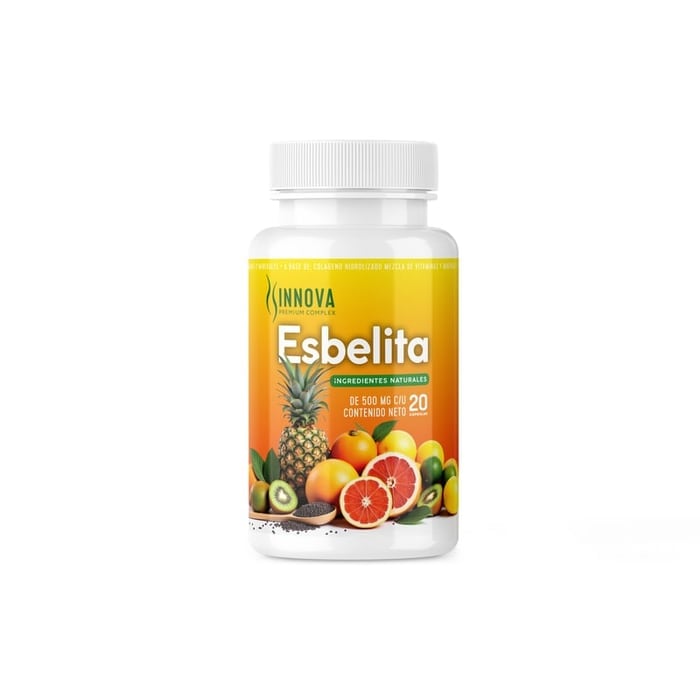
- CategoryWeight Management
- Format20 capsules
- Sold inCO, MX
- Listed priceCOP 139,000
Commercial link. Price, availability and delivery cost are set by the seller and confirmed at the point of order.
The three declared ingredients
African mango (Irvingia gabonensis) rose on a small number of trials from a single research group reporting weight and waist reductions. Independent replication has been limited, and a systematic review concluded the evidence was insufficient for a firm recommendation. It is a plausible but weakly supported ingredient.
Apple cider vinegar has better-quality data than its reputation would suggest — though not for the reasons usually given. Acetic acid slows gastric emptying and blunts the post-meal blood glucose rise; a small trial reported modest weight reduction over 12 weeks. The effect size is real but small.
Flaxseed fibre works by the least glamorous and most reliable mechanism available: bulk and viscosity in the gut, which increases satiety. Soluble fibre has consistent evidence for reducing energy intake, and it is the ingredient here most likely to do something noticeable.
Spot reduction is not a real physiological process
Marketing for this category commonly promises targeted loss from the abdomen, hips or thighs. This needs stating plainly: spot reduction does not exist. Fat is mobilised systemically through lipolysis and hormone-sensitive lipase activity. Where a given person loses fat first is determined by genetics, sex hormones and receptor distribution, and no capsule, exercise or cream changes that distribution.
What is true is that men typically lose visceral abdominal fat relatively early in a deficit, and that visceral fat is the metabolically important compartment — it drives insulin resistance and, through aromatase activity, converts testosterone into oestradiol. Losing it matters. Choosing where it comes from is not on offer.
What actually drives the outcome
A sustained energy deficit, protein intake around 1.6 g per kg body weight to preserve lean mass, resistance training to protect the tissue that determines resting metabolic rate, and adequate sleep — one controlled trial found the same calorie deficit produced 55% less fat loss under restricted sleep.
Fibre-led supplements can support that by making the deficit easier to hold. They do not replace it. Our weight management page covers the hormonal loop between visceral fat and testosterone in full.
Markets and format
Esbelita is sold in Colombia at 139,000 COP and in Mexico at 690 MXN, in 20-capsule packs, ordered through the seller's own channel with delivery to both countries. It is a food supplement, not a medicine, and it is not a substitute for a varied diet or a healthy lifestyle.
Frequently asked questions
Can a supplement target belly fat specifically?
No. Spot reduction is not a real physiological process. Fat is mobilised systemically, and where you lose it first is determined by genetics, sex hormones and receptor distribution — not by any capsule, exercise or cream.
Does apple cider vinegar help with weight?
Modestly. Acetic acid slows gastric emptying and blunts post-meal glucose rises, and a small trial reported modest weight reduction over 12 weeks. The effect is real but small, and it is not a substitute for an energy deficit.
Which ingredient here is most likely to be noticeable?
The flaxseed fibre, through satiety. Soluble fibre has consistent evidence for reducing energy intake — the least glamorous mechanism on the list and the most reliable one.
How fast should weight loss be?
Sustainable rates are roughly 0.5–1% of body weight per week. Faster loss disproportionately costs lean mass, which lowers resting metabolic rate and makes the weight easier to regain.
Important
Esbelita is a food supplement, not a medicine. Under EU Directive 2002/46/EC and equivalent regulation in other markets, supplements are regulated as food: they are not intended to diagnose, treat, cure or prevent any disease, and they do not replace a varied diet or a healthy lifestyle. Consult a qualified healthcare professional before use, particularly if you take prescription medication or have a diagnosed condition.
This page describes what the manufacturer declares and what the published research on those ingredients supports. It is not a recommendation to buy, and inclusion in this catalogue is not an endorsement.