
Guide
The Best Natural Ingredients for Men's Health, Ranked by Evidence
A ranking by the quality of the evidence behind each ingredient, so you can see at a glance which actives a formula is really built on and what each one is studied for.
One page per ingredient. Each profile covers the plausible mechanism, what human trials actually found, the dose used in that research, who should avoid it, and which products on this site contain it.
This library describes each ingredient by where it comes from, how it works and the doses used in studies — the details that help you pick the formula that suits you.
Each profile states plainly where the evidence is strong (usually micronutrient correction in deficiency) and where it is moderate (adaptogens on stress and fatigue endpoints).
Mechanism, human trial results, dose and safety — with the evidence tier stated up front.










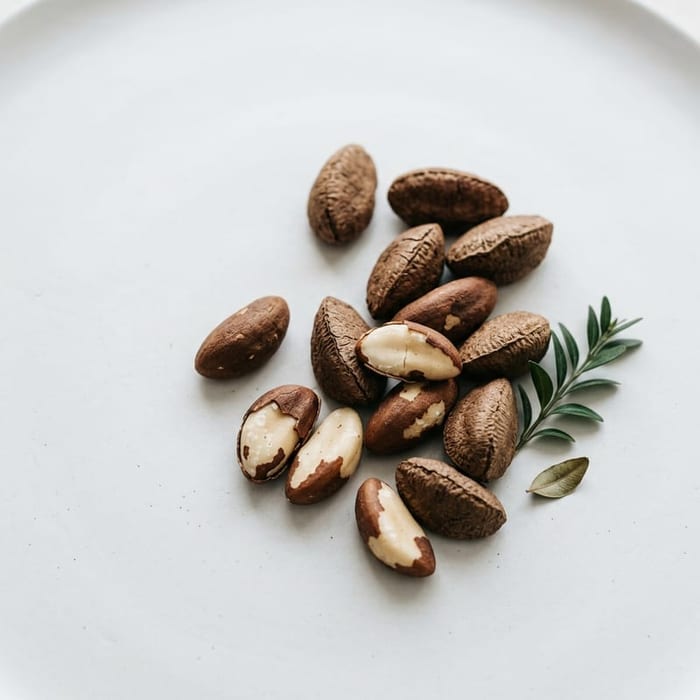


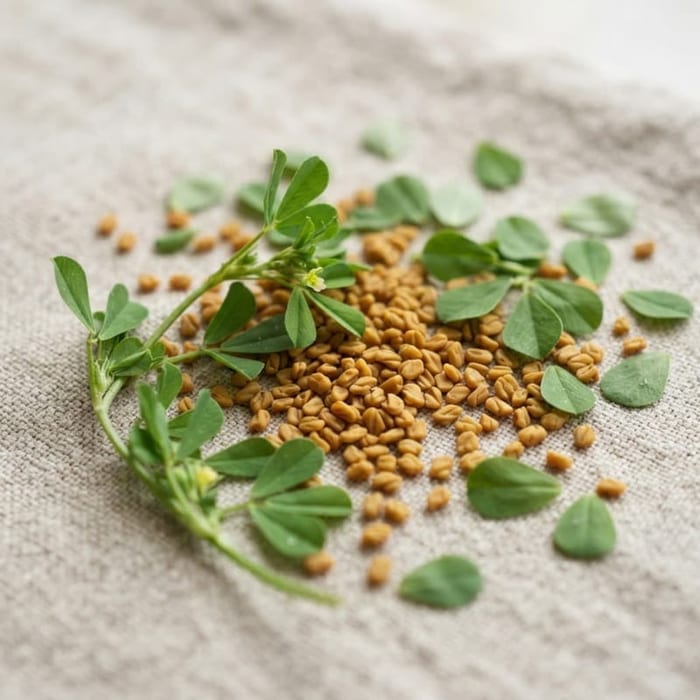
A ranking by the quality of the evidence behind each ingredient, so you can see at a glance which actives a formula is really built on and what each one is studied for.
Strong = multiple randomised controlled trials in humans with consistent direction of effect, ideally pooled in a meta-analysis. Moderate = several human trials with mixed or modest results, or consistent results in narrow populations. Limited = mainly animal or in-vitro data, or small human studies with methodological weaknesses.
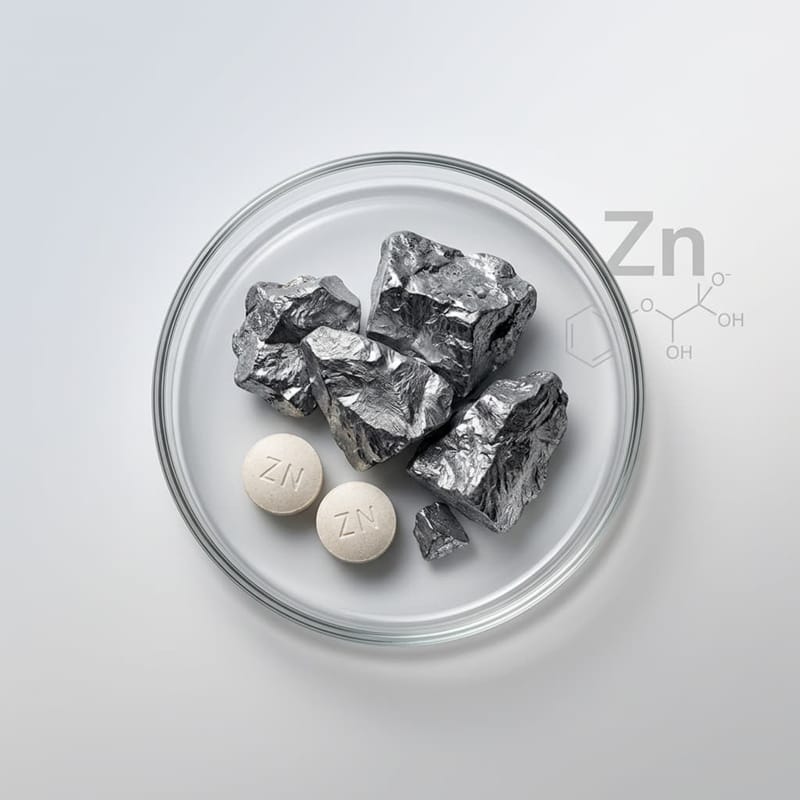
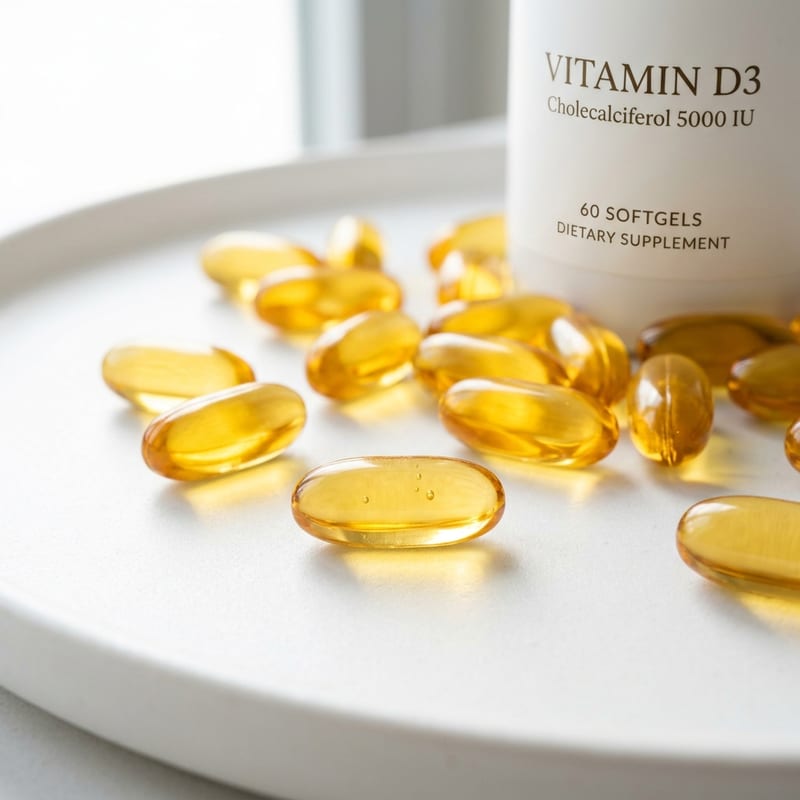
Micronutrients such as zinc and vitamin D are cofactors in enzymatic processes. Once the enzyme is saturated, adding more substrate changes nothing. That is why supplementation reliably raises testosterone in zinc-deficient men and reliably does nothing in men with adequate status.