Sexual Health
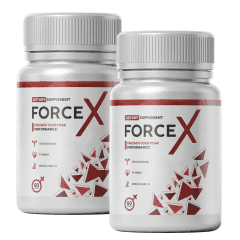
Force X
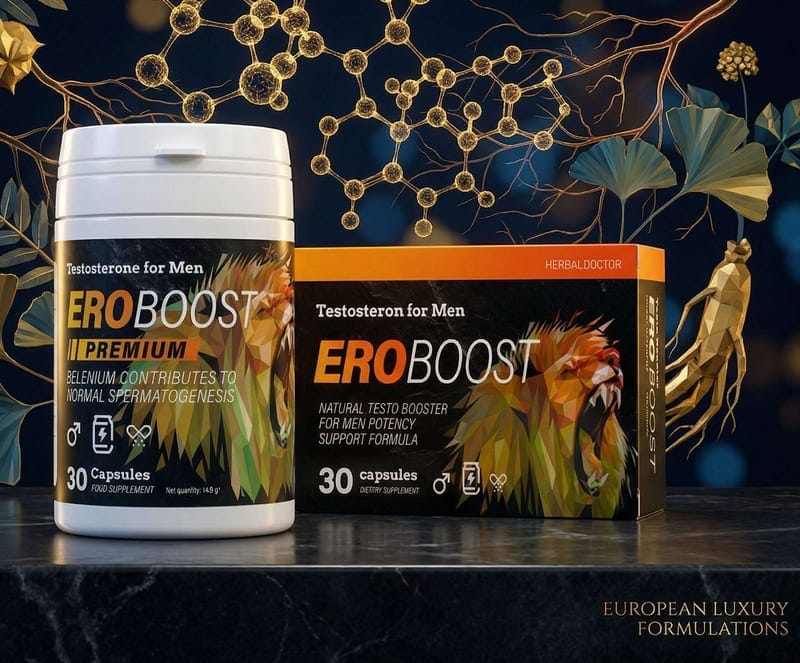
Six-botanical EU formula for male energy, libido and hormonal balance.
Read the review →Amino acid
Moderate evidence
The direct substrate for nitric oxide synthesis — and a textbook case of a supplement whose mechanism is sound while its oral delivery is not. L-citrulline solves the delivery problem.
Relevant to: Circulation · Sexual Health
L-arginine is the sole substrate for endothelial nitric oxide synthase (eNOS), the enzyme that produces nitric oxide in blood vessel walls. NO diffuses into vascular smooth muscle, activates guanylate cyclase, raises cyclic GMP and causes the muscle to relax — widening the vessel and increasing blood flow. This is the pathway behind exercise hyperaemia, blood pressure regulation and erectile function.
Because the substrate is a single, cheap amino acid, supplementing it looks like an obvious intervention. The complication is what happens between the mouth and the endothelium.
Orally ingested L-arginine is extensively metabolised before it reaches systemic circulation. The enzyme arginase, present in the intestinal wall and the liver, converts it to ornithine and urea. Roughly 40–50% of an oral dose is lost to first-pass metabolism, and the fraction lost rises with dose. High doses cause osmotic gastrointestinal distress — diarrhoea and nausea are common above about 9 g.
L-citrulline bypasses this entirely. It is not a substrate for arginase, passes through the gut and liver intact, and is converted to arginine in the proximal tubule of the kidney. Head-to-head studies consistently show that citrulline produces a higher and longer-sustained plasma arginine concentration than an equivalent dose of arginine itself. Citrulline malate, common in sports products, is citrulline bound to malic acid; the malate portion is not the active part for NO purposes.
Blood pressure. A meta-analysis of randomised trials found oral L-arginine reduced systolic blood pressure by around 5 mmHg and diastolic by around 2–3 mmHg — small, but consistent with the mechanism.
Erectile function. Trials of L-arginine alone show modest results; combinations with pycnogenol have produced better outcomes in small studies. The realistic characterisation is supportive of normal circulation, not comparable to a PDE-5 inhibitor.
Exercise performance. Results are mixed for arginine and more favourable for citrulline, with several trials showing improved repetition volume and reduced muscle soreness at 6–8 g citrulline malate.
Endothelial function. Improvement in flow-mediated dilation has been shown in populations with existing endothelial dysfunction — hypertensive, diabetic and older subjects — with much less effect in healthy young people, where the pathway is not limited by substrate.
The VINTAGE trial (JAMA, 2006) tested L-arginine in patients after myocardial infarction and was stopped early because of higher mortality in the arginine group. This is the strongest single safety signal in the arginine literature: it should not be used by people with recent heart attack or unstable cardiac disease without cardiology input.
The herpes caution is mechanistic and well known: herpes simplex replication requires arginine, and lysine competes with it for absorption. People with frequent cold sores or genital herpes recurrence often find high-dose arginine triggers outbreaks.
Beyond these, arginine should not be combined with nitrate medication or PDE-5 inhibitors without medical supervision, because of additive blood-pressure effects. Gastrointestinal upset is dose-limiting for most people.
Presence on a label is not the same as presence at a researched dose — check the per-capsule amount.
Six-botanical EU formula for male energy, libido and hormonal balance.
Read the review →Turkish-language review of a male performance formula sold in Germany.
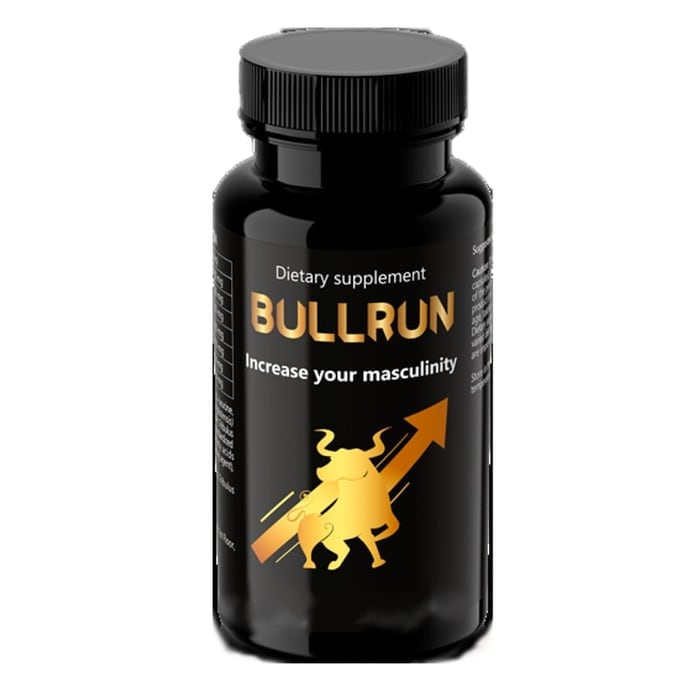
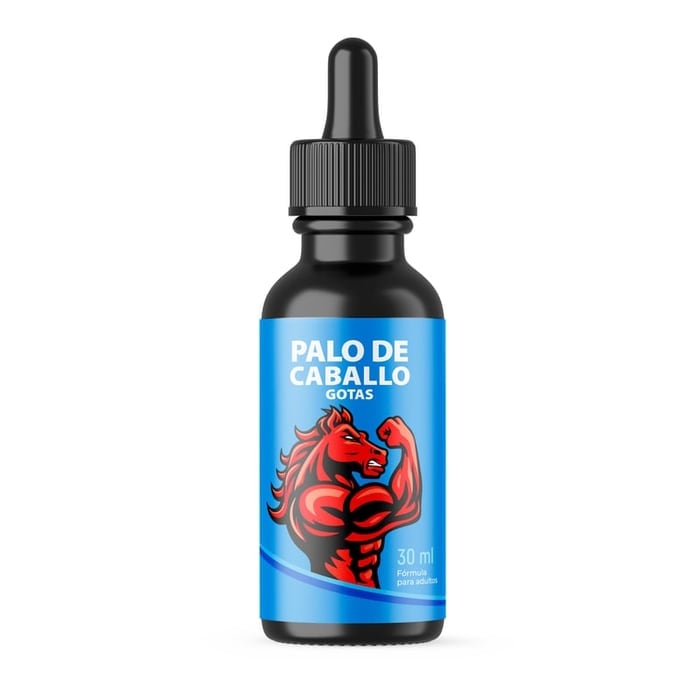
Read the review →Arginine with zinc and selenium, sold in Poland.
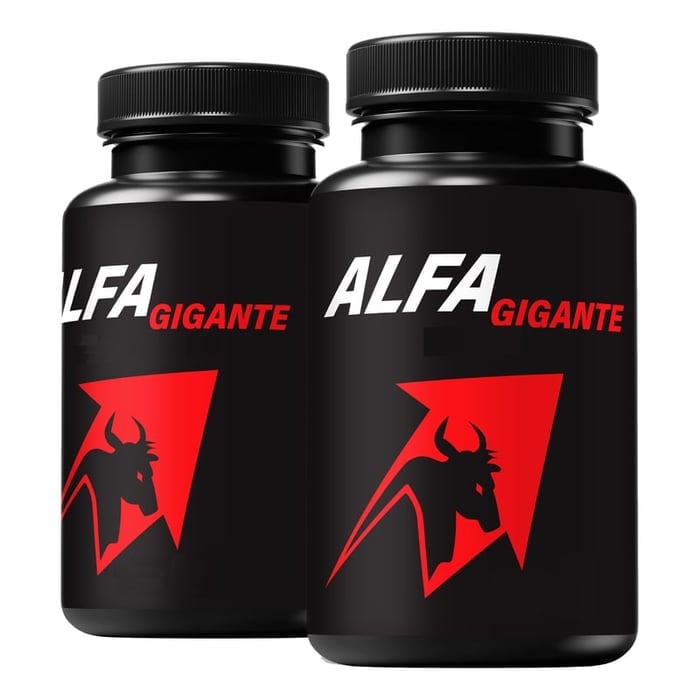
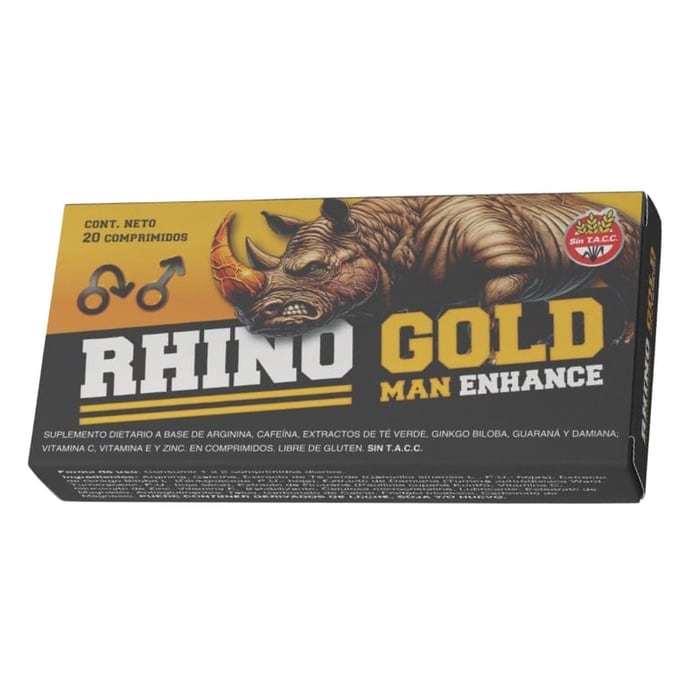
Read the review & alternatives →Argentine formula in which three of six actives are caffeine sources.
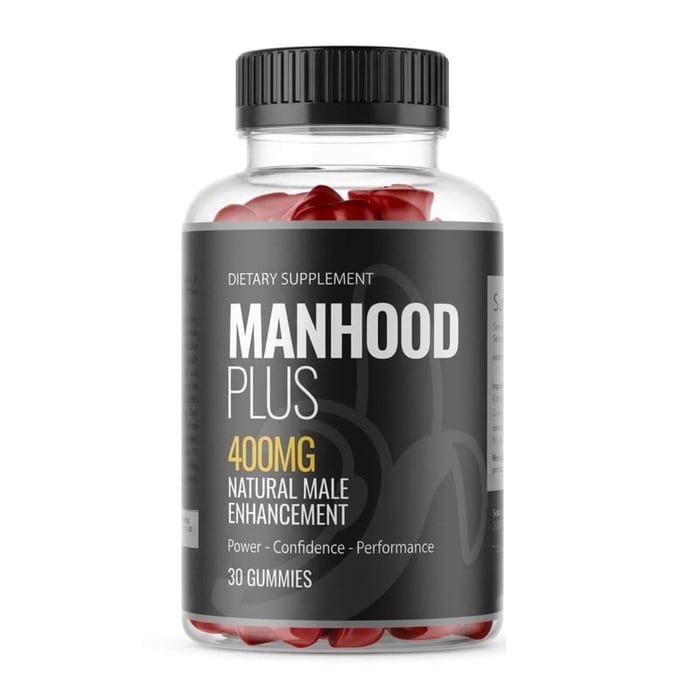
Read the review →The standard ingredient list in a gummy — compliance up, dose down.
Read the review →Eight named actives in a gummy, sold in Canada — the broadest disclosed formula of its kind here.
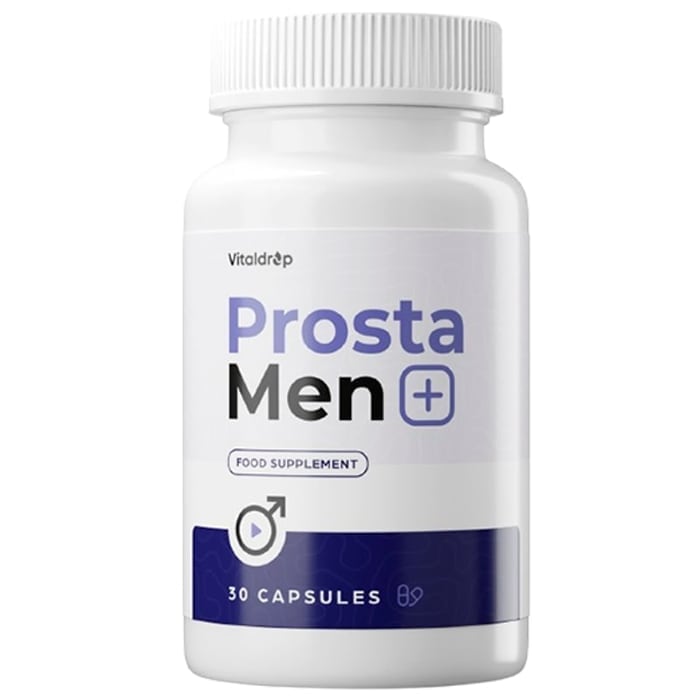
Read the review →Named for the prostate; formulated as a general vitality stack.
Read the review →For raising nitric oxide, L-citrulline is the better choice. It avoids first-pass metabolism by arginase and produces a higher, longer-lasting plasma arginine level than an equal dose of arginine itself, with far less gastrointestinal upset.
Trials used 3–6 g daily for both. For an acute effect around exercise or activity, dosing 60–120 minutes beforehand matches the plasma peak. For blood pressure and endothelial endpoints, consistent daily use over several weeks is what the trials tested.
Anyone with recent myocardial infarction or unstable cardiac disease, without cardiology clearance — the VINTAGE trial found increased mortality in that group. People with recurrent herpes outbreaks often find it provokes them. It should also not be combined with nitrate drugs.
Modestly, and mainly in men who already have some degree of endothelial dysfunction. In men whose NO pathway is not substrate-limited, adding substrate changes little. It is not a substitute for prescription treatment.