
Boswellia Serrata
Boswellia serrata
Moderate evidence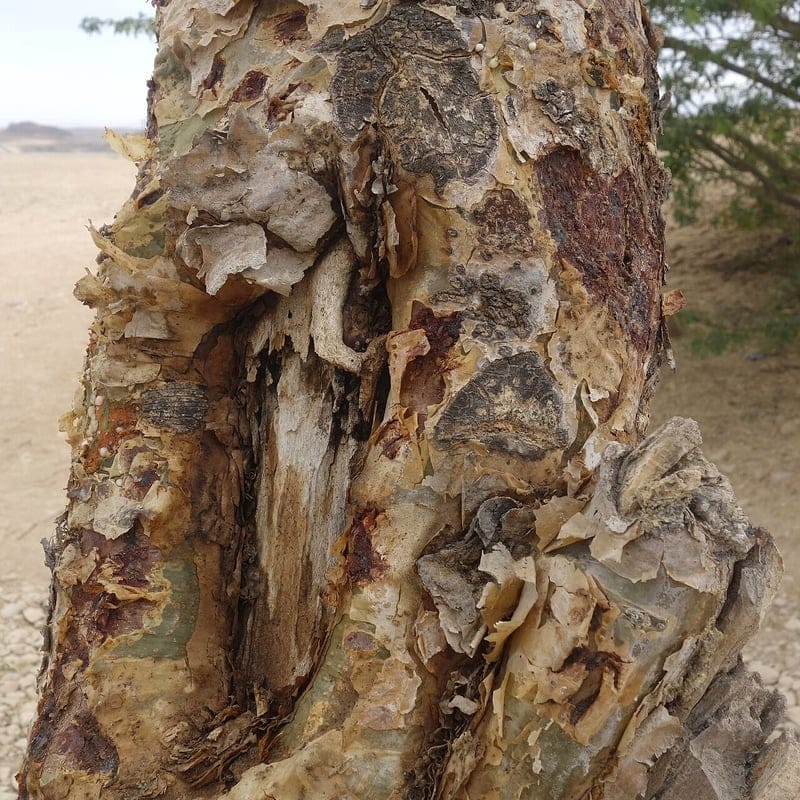
Frankincense resin extract with a reasonably consistent trial record for osteoarthritis symptoms — and a mechanism distinct from conventional anti-inflammatories.
Relevant to: Men's Health
At a glance
- Source
- Gum resin of the Boswellia serrata tree
- Active compounds
- Boswellic acids, chiefly AKBA
- Mechanism
- 5-lipoxygenase inhibition
- Trial dose
- 100–250 mg/day of AKBA-enriched extract
- Time to effect
- 5 days to 4 weeks in trials
A different anti-inflammatory pathway
Conventional NSAIDs inhibit cyclooxygenase (COX), which reduces prostaglandin synthesis — effective, but also the reason for their gastric and renal side effects. Boswellic acids act instead on 5-lipoxygenase (5-LOX), the enzyme that generates leukotrienes from arachidonic acid. Leukotrienes drive a distinct branch of the inflammatory cascade.
The most active constituent is acetyl-11-keto-beta-boswellic acid (AKBA), which is present at only 1–3% in crude resin. Enriched extracts standardised to 10–30% AKBA are what the better trials used, and the difference between a crude 65% boswellic acid extract and an AKBA-enriched one is substantial.
The osteoarthritis evidence
Multiple randomised placebo-controlled trials in knee osteoarthritis have reported reductions in pain scores and improvements in function, with some showing effects within 5–7 days. A systematic review and meta-analysis published in BMC Complementary Medicine and Therapies concluded that Boswellia and its extracts may be effective and safe for osteoarthritis, with an optimal treatment duration of around four weeks.
Trial quality is moderate rather than high — sample sizes are typically 30–70 participants, and several trials were funded by extract manufacturers. The direction of effect is nonetheless consistent across independent groups.
Some trials have also examined boswellia in inflammatory bowel disease and asthma, with smaller and less conclusive evidence bases.
Dosing and interactions
Effective doses depend entirely on AKBA content. Trials with AKBA-enriched extracts used 100–250 mg daily; trials with crude extracts used 300–500 mg three times daily. A label stating only "Boswellia serrata 500 mg" without an AKBA or boswellic acid percentage does not let you place the product on that scale.
Boswellia is generally well tolerated; gastrointestinal upset is the most common complaint. It may interact with anticoagulants and with drugs metabolised by cytochrome P450 enzymes, so it should be disclosed to a prescriber. It is not recommended during pregnancy.
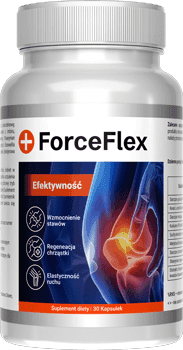
Products on this site that declare Boswellia Serrata
Presence on a label is not the same as presence at a researched dose — check the per-capsule amount.
Frequently asked questions
How does boswellia differ from ibuprofen?
Ibuprofen inhibits COX and reduces prostaglandins; boswellic acids inhibit 5-LOX and reduce leukotrienes. Different branch of the inflammatory cascade, and without the gastric side-effect profile associated with long-term NSAID use.
What should I look for on the label?
An AKBA percentage. AKBA is the most active boswellic acid and is present at only 1–3% in crude resin, so enriched extracts standardised to 10–30% are what the better trials used.
How long until it works?
Some trials report symptom improvement within 5–7 days; meta-analysis suggests around four weeks is the optimal treatment duration for assessing effect.