Sexual Health
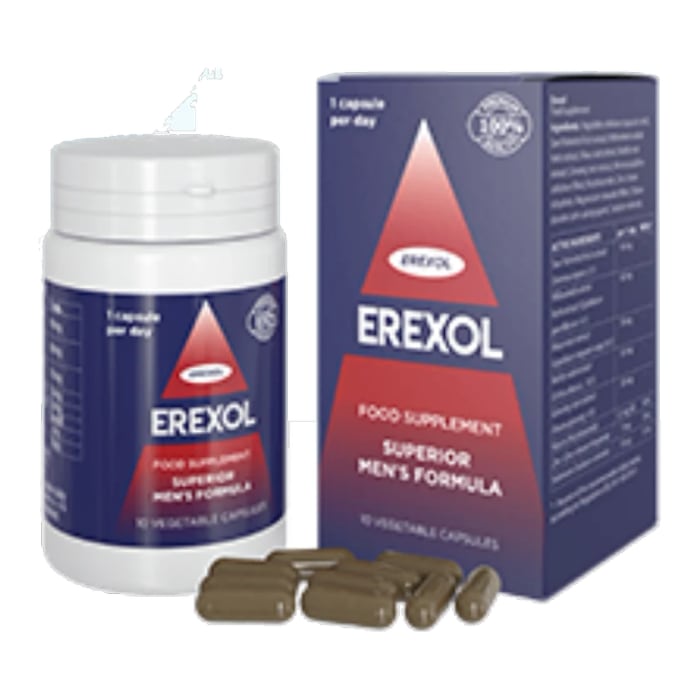
Erexol
Male vitality capsules — one a day, four declared plant extracts.
Read the review →Serenoa repens
Contested evidence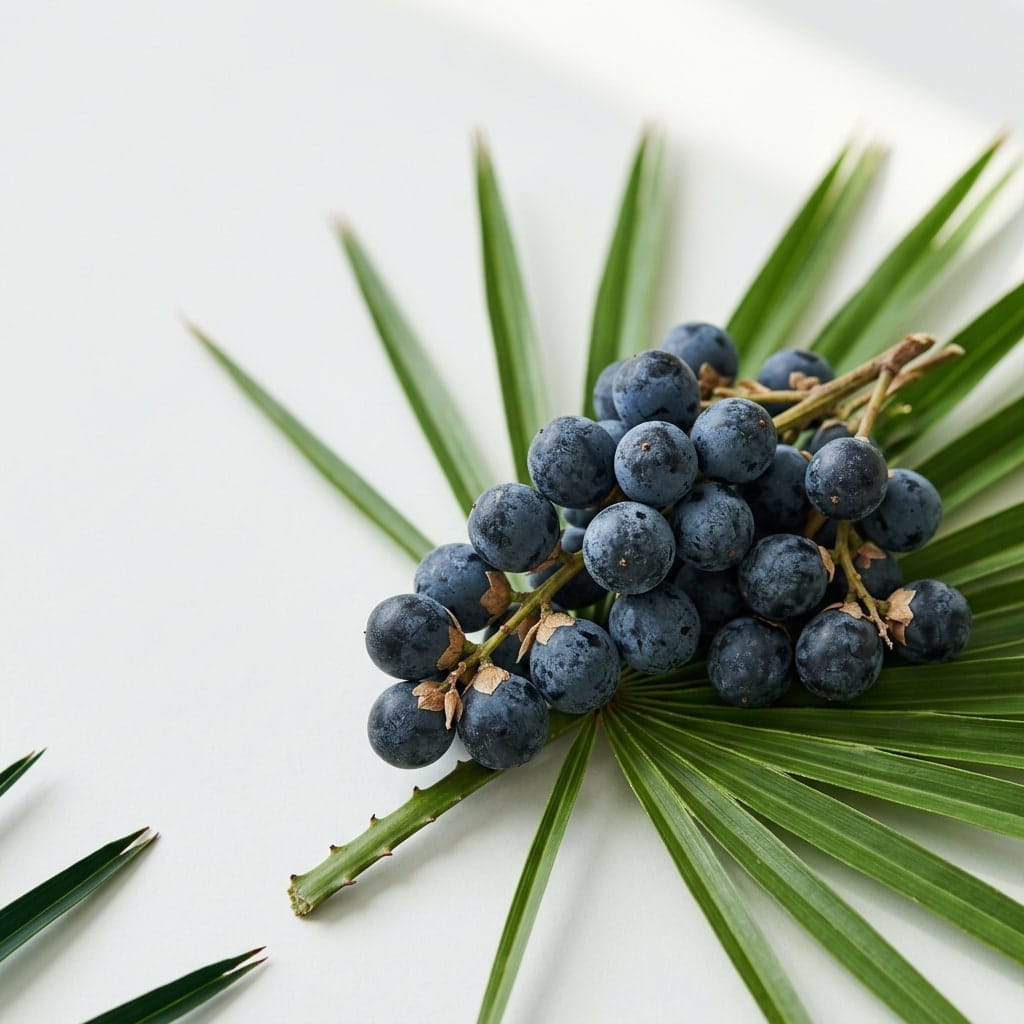
The most-sold prostate botanical in the world, and the one whose two largest and best-controlled trials found no benefit over placebo. The extract-type debate is unresolved.
Relevant to: Prostate Health
Saw palmetto berries yield a lipid-rich extract containing free fatty acids and phytosterols. The proposed mechanisms are inhibition of 5-alpha reductase (reducing conversion of testosterone to DHT in prostate tissue), anti-inflammatory activity, and alpha-adrenergic effects on bladder neck smooth muscle. All three are plausible and all three have in-vitro support.
The gap between mechanism and outcome is exactly what makes this ingredient instructive: a plausible mechanism is not evidence of clinical benefit.
STEP trial (New England Journal of Medicine, 2006): 225 men with moderate-to-severe BPH, 160 mg twice daily for one year. No significant difference from placebo in symptom scores, peak urinary flow, prostate size or residual volume.
CAMUS trial (JAMA, 2011): 369 men, doses escalating to 960 mg daily over 72 weeks — three times the standard dose. No significant difference from placebo in AUA symptom index.
Cochrane review (2012): pooling 32 randomised trials with over 5,600 participants, concluded saw palmetto does not improve urinary symptoms or flow measures compared with placebo, even at double and triple doses.
Earlier meta-analyses had been more favourable, but they included smaller and methodologically weaker trials. As trial quality improved, the effect disappeared — a pattern common in supplement research and worth recognising.
Researchers who defend saw palmetto point out that STEP and CAMUS used a hexane-extracted preparation, while much of the positive European evidence used specific lipidosterolic extracts such as Permixon, with a different fatty acid profile. A separate meta-analysis restricted to hexanic Serenoa repens extract reported symptom improvement.
The honest position is that this remains unresolved. Extract-specific effects are real in phytotherapy, but the burden of proof lies with those claiming benefit, and the largest independent trials did not find it.
Saw palmetto is well tolerated — side effects in trials were no more frequent than with placebo, with mild gastrointestinal upset the most common. It does not meaningfully lower PSA, unlike finasteride and dutasteride which roughly halve it, so it does not distort cancer screening in the same way.
For a man with mild symptoms who wants to try something benign, it is a low-risk option. For a man with moderate or severe symptoms, the evidence-based path is a urology consultation and consideration of alpha blockers or 5-alpha reductase inhibitors, which have robust efficacy data. Delaying assessment because a supplement might work is the actual risk here.
Presence on a label is not the same as presence at a researched dose — check the per-capsule amount.
Male vitality capsules — one a day, four declared plant extracts.
Read the review →Prostate-support capsules reviewed for francophone West Africa.
Read the review →Actually built on the prostate ingredient set — including its negative trials.
Read the review →Marketed around prostatitis — a diagnosis, not a supplement category.
Read the review →The largest and best-controlled trials — STEP, CAMUS and the 2012 Cochrane review — found no benefit over placebo, even at triple the standard dose. Some European studies of specific lipidosterolic extracts reported positive results, and the discrepancy is unresolved.
Not meaningfully, unlike finasteride and dutasteride which roughly halve PSA. Still tell the clinician ordering the test everything you are taking.
Yes, by supplement standards. In controlled trials adverse events were no more frequent than with placebo, with mild gastrointestinal upset the most commonly reported.
Alpha blockers and 5-alpha reductase inhibitors have solid efficacy evidence, as do behavioural measures such as reducing evening fluids, caffeine and alcohol. Moderate or severe symptoms warrant a urology assessment rather than self-treatment.