
Dr.Prost Review — A Prostate Formula Built on the Standard Ingredients
Unlike most products with prostate names, this one is actually built on the prostate ingredient set — which makes it a good place to be honest about what that evidence shows.
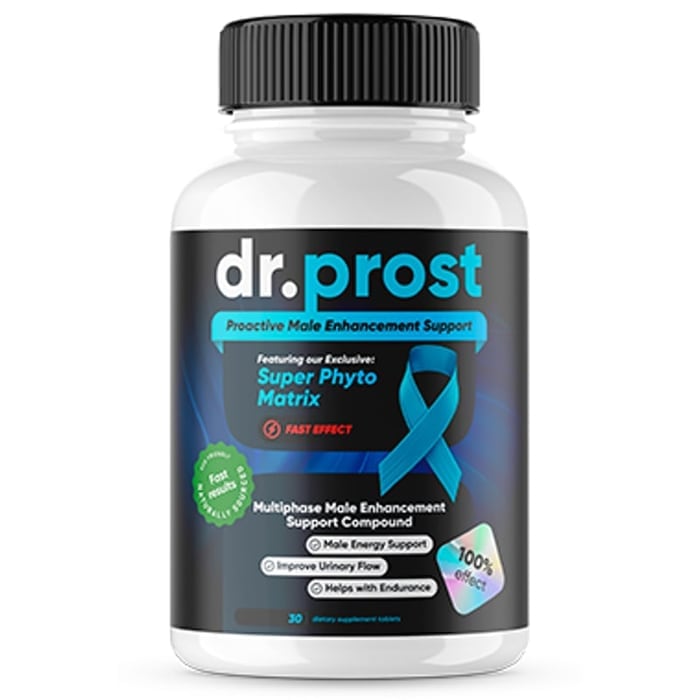
- CategoryProstate Health
- Format30 capsules
- Declared activesSaw Palmetto, Nettle Root, Zinc, Selenium
- Sold inTR
- Listed price899 ₺
Commercial link. Price, availability and delivery cost are set by the seller and confirmed at the point of order.
The formula matches the category
Dr.Prost declares saw palmetto, pumpkin seed extract, nettle root, cranberry, lycopene, zinc and selenium in a 30-capsule pack.
That is the standard prostate-support stack — the same ingredient family that appears in the research literature, which is more than can be said for several products marketed for the same purpose. Whether that literature supports the marketing is a separate question, and the answer is more mixed than the category admits.
What the evidence actually shows
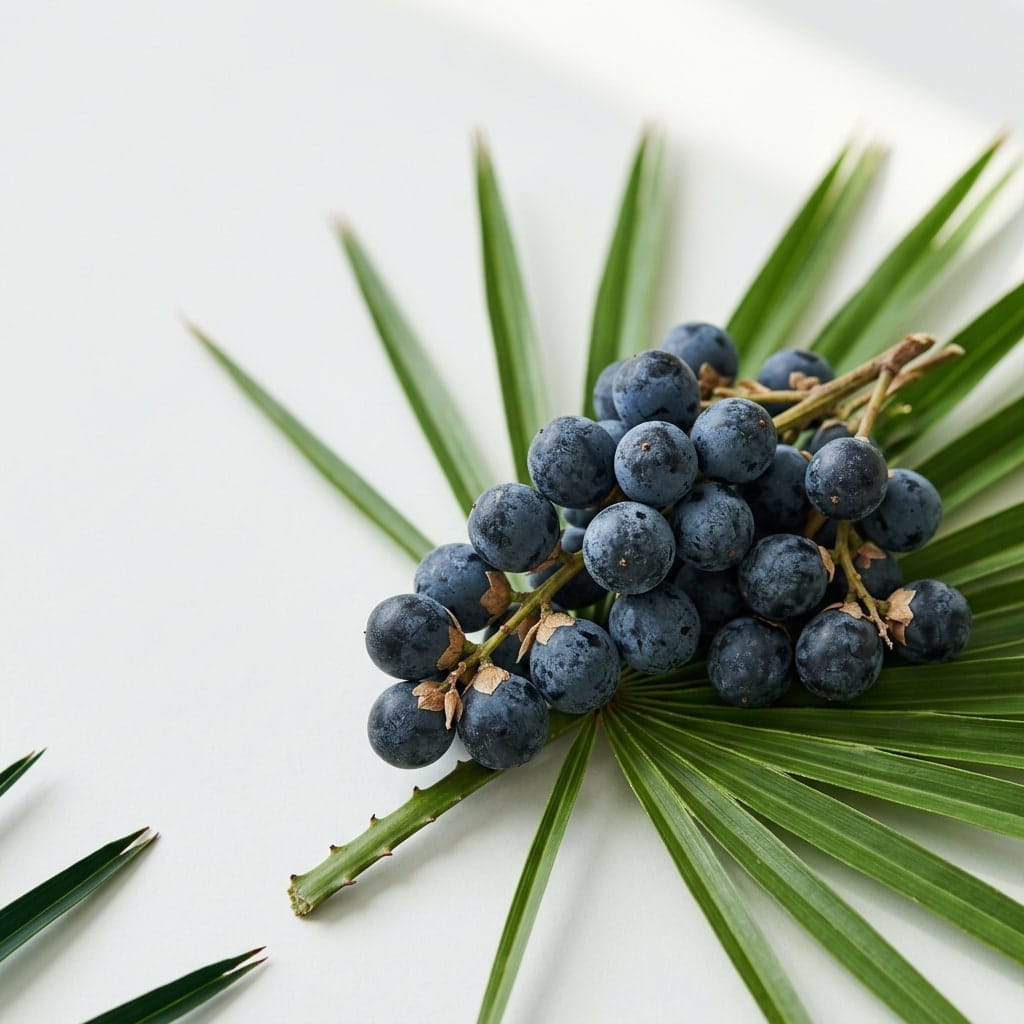
Saw palmetto is the headline ingredient and the one with the most awkward evidence. Two large, well-controlled randomised trials — STEP (NEJM, 2006) and CAMUS (JAMA, 2011) — found no benefit over placebo for BPH symptoms, even at triple the standard dose, and a 2012 Cochrane review pooling 32 trials reached the same conclusion. Defenders argue that the negative trials used a hexane extract with different pharmacokinetics from the European lipidosterolic extracts in earlier positive studies. That argument is unresolved.
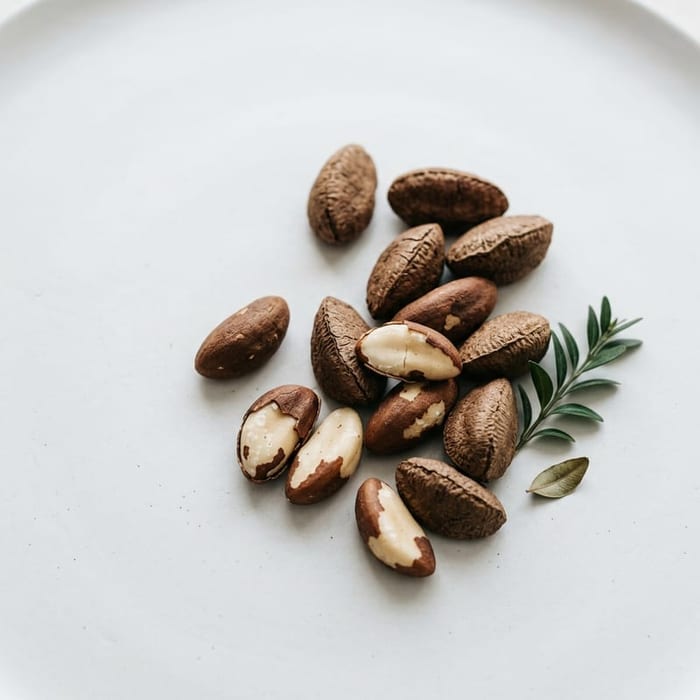
Nettle root binds sex hormone-binding globulin and has a smaller, older evidence base for urinary symptoms. Pumpkin seed and lycopene appear frequently in prostate formulas with limited controlled data. Cranberry has its best evidence in urinary tract infection prevention, not BPH. Zinc is concentrated in prostatic fluid; selenium carries an authorised claim for normal spermatogenesis.
What the evidence does support for BPH
Alpha blockers and 5-alpha reductase inhibitors have robust efficacy data for lower urinary tract symptoms. Behavioural measures — reducing evening fluids, limiting caffeine and alcohol, treating constipation, maintaining a healthy weight and staying physically active — have modest evidence and no downside.
A man with a moderate or high IPSS symptom score should be having a urology conversation, not choosing between capsules. The real risk with a well-tolerated supplement in this category is not harm — it is the delay.
Market and format
Dr.Prost is sold in Turkey in 30-capsule packs at a promotional 899 TRY at the time of writing, as a food supplement rather than a medicine. Full context on the condition, the symptoms that matter and the treatment options is on our prostate health page.
The evidence behind each declared active
Presence on a label is not presence at a researched dose. Each profile states its evidence tier openly.

Frequently asked questions
Does saw palmetto work for BPH symptoms?
The best-quality evidence says no better than placebo. The STEP and CAMUS randomised trials and the 2012 Cochrane review of 32 studies found no significant symptom benefit even at triple dose. Some European studies of specific lipidosterolic extracts reported positive results; the discrepancy is unresolved.
Does this product affect a PSA test?
Saw palmetto has not been shown to meaningfully lower PSA, unlike finasteride and dutasteride which roughly halve it. Always tell the clinician ordering the test what you are taking.
What is cranberry doing in a prostate formula?
Cranberry's evidence base is in urinary tract infection prevention rather than BPH. It is a urinary-tract inclusion rather than a prostate-specific one.
What actually helps urinary symptoms?
Alpha blockers and 5-alpha reductase inhibitors have solid efficacy data. Reducing evening fluids, caffeine and alcohol, treating constipation and staying active help modestly with no downside. Moderate or severe symptoms warrant a urology assessment.
Important
Dr.Prost is a food supplement, not a medicine. Under EU Directive 2002/46/EC and equivalent regulation in other markets, supplements are regulated as food: they are not intended to diagnose, treat, cure or prevent any disease, and they do not replace a varied diet or a healthy lifestyle. Consult a qualified healthcare professional before use, particularly if you take prescription medication or have a diagnosed condition.
This page describes what the manufacturer declares and what the published research on those ingredients supports. It is not a recommendation to buy, and inclusion in this catalogue is not an endorsement.